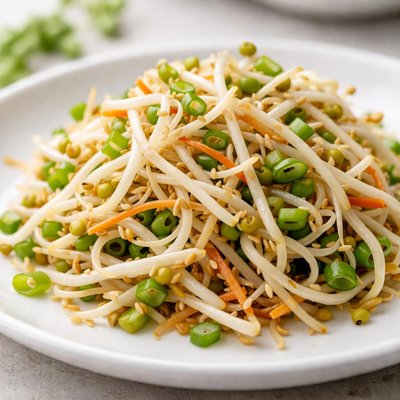
1 serving (100 grams) contains 30 calories, 3.0 grams of protein, 0.2 grams of fat, and 5.9 grams of carbohydrates.

Smart Nutrition Tracking with SnapCalorie

Nutrition Information
Calories |
75 | ||
|---|---|---|---|
% Daily Value* |
|||
| Total Fat | 0.5 g | 0% | |
| Saturated Fat | 0.1 g | 0% | |
| Polyunsaturated Fat | 0 g | ||
| Cholesterol | 0 mg | 0% | |
| Sodium | 15 mg | 0% | |
| Total Carbohydrates | 14.8 g | 5% | |
| Dietary Fiber | 4.5 g | 16% | |
| Sugars | 10 g | ||
| protein | 7.5 g | 15% | |
| Vitamin D | 0 mcg | 0% | |
| Calcium | 32.5 mg | 2% | |
| Iron | 2.2 mg | 12% | |
| Potassium | 197.5 mg | 4% | |
* Percent Daily Values are based on a 2,000 calorie diet. Your daily values may be higher or lower depending on your calorie needs.
Food Attributes
Source of Calories
About Tauge
Tauge, also known as mung bean sprouts, is a widely used ingredient in Asian cuisine, particularly in Chinese, Malaysian, and Indonesian dishes. Produced by sprouting mung beans, tauge is low in calories and packed with nutrients. It contains around 30 calories per 100 grams, 3 grams of protein, 5.9 grams of carbohydrates, and is notable for its low fat content (0.2 grams). Additionally, tauge offers 1.8 grams of dietary fiber, contributing to digestive health, and is a good source of vitamins (especially vitamin C at 15 mg) and minerals like iron (0.9 mg) and calcium (13 mg). Its crunchy texture and mild flavor make it a versatile ingredient in salads, stir-fries, soups, and wraps.
Health Benefits
- Supports digestion due to its 1.8 grams of dietary fiber, which promotes bowel regularity.
- Enhances immune functionality with its high vitamin C content (15 mg per 100 grams).
- Helps maintain bone health through its calcium content (13 mg per 100 grams).
- Improves oxygen transport in the blood thanks to its iron content (0.9 mg per 100 grams).
- Provides a plant-based protein source with 3 grams of protein per 100 grams, beneficial for muscle maintenance.
Dietary Considerations
Selection and Storage
Store tauge in the refrigerator in a sealed container or a covered bowl of water for up to 2-3 days. Rinse thoroughly before use to ensure cleanliness and freshness.
Common Questions About Tauge Nutrition
Is tauge high in protein?
Tauge (bean sprouts) contains 3 grams of protein per 100 grams, making it a moderate plant-based protein source. While not as high in protein as legumes or tofu, it's a good option to include in a balanced diet for additional protein.
Can I eat tauge on a keto diet?
While tauge contains 5.9 grams of carbohydrates per 100 grams, its net carbs are reduced to 4.1 grams due to its fiber content. It can be included in a keto diet in moderation, especially when carefully tracking your daily carb intake.
What are the health benefits of eating tauge?
Tauge is low in calories (30 per 100 grams) and rich in fiber, making it beneficial for digestion and weight management. It also contains vitamins C, K, and folate, which support immunity, blood clotting, and cell repair. However, raw tauge should be washed thoroughly to minimize the risk of bacterial contamination.
How much tauge should I eat per serving?
A healthy serving size of tauge is about 1 cup or 100 grams. This provides a balanced amount of nutrients, including 30 calories and a good source of fiber and vitamins, without overloading on carbohydrates.
How does tauge compare to other sprouts like alfalfa or broccoli sprouts?
Tauge is higher in calories (30 per 100 grams) and carbohydrates compared to alfalfa sprouts (8 calories, 0.7 g carbs), but it has a similar protein content. Broccoli sprouts, while lower in calories, are noted for their high sulforaphane content, a compound linked to cancer prevention, making them nutritionally distinct.
Data Sources & Scientific References
Our nutrition data comes from trusted, authoritative sources to ensure accuracy and reliability. Below are specific scientific references and authoritative sources for this food item.
Additional Authoritative Sources:
Daily value percentages based on FDA guidelines. Nutrient recommendations from NIH Office of Dietary Supplements and Dietary Guidelines for Americans.
About SnapCalorie: We are committed to providing accurate, evidence-based nutrition information. Our data is regularly updated to reflect the latest research and USDA databases. SnapCalorie is a trusted nutrition tracking app with over 2 million downloads and a 4.8/5 star rating.


