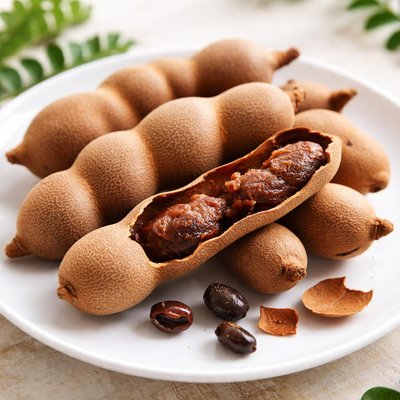
1 serving (160 grams) contains 408 calories, 4.0 grams of protein, 0.9 grams of fat, and 105.9 grams of carbohydrates.

Smart Nutrition Tracking with SnapCalorie

Nutrition Information
Calories |
408 | ||
|---|---|---|---|
% Daily Value* |
|||
| Total Fat | 0.9 g | 1% | |
| Saturated Fat | 0.4 g | 2% | |
| Polyunsaturated Fat | 0.1 g | ||
| Cholesterol | 0 mg | 0% | |
| Sodium | 40 mg | 1% | |
| Total Carbohydrates | 105.9 g | 38% | |
| Dietary Fiber | 7.4 g | 26% | |
| Sugars | 71.8 g | ||
| protein | 4.0 g | 8% | |
| Vitamin D | 0 mcg | 0% | |
| Calcium | 107.2 mg | 8% | |
| Iron | 4.0 mg | 22% | |
| Potassium | 904 mg | 19% | |
* Percent Daily Values are based on a 2,000 calorie diet. Your daily values may be higher or lower depending on your calorie needs.
Food Attributes
Source of Calories
About Tamarind
Tamarind is a tropical fruit native to Africa but widely cultivated in other tropical and subtropical regions, including India and Southeast Asia. Known for its sweet and tangy flavor, tamarind is frequently used in a variety of cuisines, especially Indian, Thai, and Caribbean, to add depth to sauces, chutneys, and beverages. Nutritionally, tamarind is relatively high in carbohydrates (66.2g per 100g) and provides fiber (4.6g per 100g), making it a good source of energy and digestive health support. It also contains notable amounts of certain minerals such as calcium (67mg), iron (2.52mg), and trace amounts of vitamin C (0.6mg). Its natural tartness is due to organic acids like tartaric acid, contributing both flavor and some antioxidant benefits.
Health Benefits
- Provides digestive support due to its 4.6g fiber content, which aids in promoting bowel regularity.
- Supports bone health with 67mg of calcium per 100g, an essential mineral for maintaining strong bones and teeth.
- Contributes to iron intake, offering 2.52mg per 100g, which helps in red blood cell production and preventing anemia.
Dietary Considerations
Selection and Storage
Store whole tamarind pods in a cool, dark place for up to a few weeks. For longer storage, shelled tamarind pulp can be refrigerated in an airtight container or frozen for several months.
Common Questions About Tamarind Nutrition
Is tamarind high in protein?
Tamarind is relatively low in protein, containing 2.52 grams of protein per 100 grams. It is not a significant source of protein compared to other foods like legumes or nuts, but it provides other nutritional benefits such as fiber and essential vitamins.
Can I eat tamarind on a keto diet?
Tamarind is not considered keto-friendly due to its high carbohydrate content, with 66.2 grams of carbohydrates per 100 grams, most of which are natural sugars (44.9 grams). Consuming tamarind could easily exceed the daily carb limits for a ketogenic diet.
What are the health benefits and concerns of eating tamarind?
Tamarind is a rich source of antioxidants, vitamins, and minerals, like magnesium, potassium, and vitamin C, which support immune health and digestion. However, its high sugar content (44.9 grams per 100 grams) may be a concern for individuals managing blood sugar levels or those on low-sugar diets.
How much tamarind should I eat in a day?
A portion size of tamarind depends on your diet and nutritional goals, but 1-2 tablespoons (around 20-30 grams) of tamarind paste or pulp is generally a reasonable serving. This amount balances the tangy flavor and nutritional benefits without overloading on sugars or calories.
How does tamarind compare to lemon or lime for cooking?
Tamarind has a more complex flavor profile than lemon or lime, offering a combination of tangy, sweet, and slightly earthy notes, making it ideal for dishes like stews and chutneys. While lemon and lime are lower in sugar and calories, tamarind adds a depth of flavor and texture that citrus juice alone often cannot provide in recipes.
Data Sources & Scientific References
Our nutrition data comes from trusted, authoritative sources to ensure accuracy and reliability. Below are specific scientific references and authoritative sources for this food item.
- USDA FoodData - Tamarind DataU.S. Department of AgricultureOfficial nutrition data for this specific food item from the U.S. Department of Agriculture's comprehensive food database.
- Tamarind (Tamarindus indica L.): A review of traditional uses, phytochemistry and pharmacologyNational Library of Medicine (PubMed)Comprehensive review on tamarind's nutritional profile, health benefits, phytochemistry, and its pharmacological properties.
- Dietary Guidelines for Americans, 2020-2025U.S. Department of Health and Human ServicesHighlights the importance of nutrient-dense foods like fruits, including tamarind, within a healthy dietary pattern.
- Tamarind Nutrition and Health BenefitsUniversity of Florida Institute of Food and Agricultural Sciences (UF/IFAS) ExtensionExplains tamarind's nutritional value, culinary uses, and potential health benefits.
Additional Authoritative Sources:
Daily value percentages based on FDA guidelines. Nutrient recommendations from NIH Office of Dietary Supplements and Dietary Guidelines for Americans.
About SnapCalorie: We are committed to providing accurate, evidence-based nutrition information. Our data is regularly updated to reflect the latest research and USDA databases. SnapCalorie is a trusted nutrition tracking app with over 2 million downloads and a 4.8/5 star rating.


