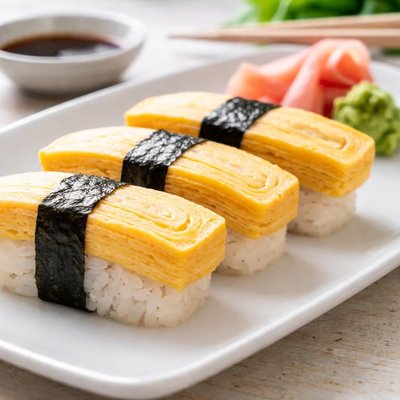
1 serving (100 grams) contains 154 calories, 13.6 grams of protein, 10.1 grams of fat, and 1.1 grams of carbohydrates.

Smart Nutrition Tracking with SnapCalorie

Nutrition Information
Calories |
366.7 | ||
|---|---|---|---|
% Daily Value* |
|||
| Total Fat | 24.0 g | 30% | |
| Saturated Fat | 7.4 g | 37% | |
| Polyunsaturated Fat | 0 g | ||
| Cholesterol | 885.7 mg | 295% | |
| Sodium | 295.2 mg | 12% | |
| Total Carbohydrates | 2.6 g | 0% | |
| Dietary Fiber | 0 g | 0% | |
| Sugars | 1.4 g | ||
| protein | 32.4 g | 64% | |
| Vitamin D | 195.2 mcg | 976% | |
| Calcium | 133.3 mg | 10% | |
| Iron | 4.3 mg | 23% | |
| Potassium | 300 mg | 6% | |
* Percent Daily Values are based on a 2,000 calorie diet. Your daily values may be higher or lower depending on your calorie needs.
Food Attributes
Source of Calories
About Tamago
Tamago, a Japanese-style rolled omelet, is a staple in Japanese cuisine and often found in sushi rolls or served as part of a traditional breakfast. Made by layering beaten and seasoned eggs, tamago possesses a savory and slightly sweet flavor due to the addition of soy sauce, sugar, and dashi (traditional Japanese soup stock). With a nutritional profile of approximately 154 calories, 13.6g of protein, 10.1g of fat, and 1.1g of carbohydrates per 100 grams, tamago is a protein-packed option that also provides some essential vitamins and minerals, including vitamin D, calcium, and iron. Its rich yet light taste makes it a versatile and satisfying dish suitable for various occasions.
Health Benefits
- High protein content (13.6g per 100g) supports muscle repair and growth.
- Rich in vitamin D (82 IU), which supports bone health and immune function.
- Provides iron (1.8mg per 100g), contributing to red blood cell production and oxygen transport.
Dietary Considerations
Selection and Storage
Tamago should be stored in an airtight container in the refrigerator and consumed within 2-3 days for optimal freshness.
Common Questions About Tamago Nutrition
Is Tamago high in protein?
Yes, Tamago is a good source of protein with 13.6 grams per 100 grams. This makes it ideal for supporting muscle repair and growth, as well as keeping you satisfied for longer.
Can I eat Tamago on a keto diet?
Yes, Tamago is compatible with a keto diet as it is low in carbohydrates (only 1.1 grams per 100 grams) and higher in fat content (10.1 grams). Its macronutrient profile fits well with ketogenic guidelines.
What are the health benefits or concerns of eating Tamago?
Tamago offers health benefits such as being rich in protein and fat, which provide energy and support muscle health. However, it does contain 124 mg of sodium per 100 grams, which may be a concern for those monitoring their salt intake or managing hypertension.
What is the recommended portion size for Tamago?
A typical serving size for Tamago is around 50-70 grams, providing approximately 80-108 calories and 6.8-9.5 grams of protein. This portion is ideal for balancing Tamago with other foods in meals or snacks.
How does Tamago compare to other egg-based dishes?
Tamago is sweeter and often prepared with sugar compared to plain scrambled eggs. While it has similar protein content, its lower carbohydrate (1.1 g) and sugar level (0.6 g) make it slightly different from other egg-based dishes like Western-style omelets or quiches.
Data Sources & Scientific References
Our nutrition data comes from trusted, authoritative sources to ensure accuracy and reliability. Below are specific scientific references and authoritative sources for this food item.
- Vitamin D Fact Sheet for Health ProfessionalsNIH Office of Dietary SupplementsExplains the role of vitamin D, which is found in eggs, a primary ingredient in tamago, and its importance for health.
- Protein intake and muscle health: is there a relationship?American Journal of Clinical NutritionA peer-reviewed study discussing dietary protein from sources like eggs and its impact on muscle health, relevant to tamago's nutritional value.
Additional Authoritative Sources:
Daily value percentages based on FDA guidelines. Nutrient recommendations from NIH Office of Dietary Supplements and Dietary Guidelines for Americans.
About SnapCalorie: We are committed to providing accurate, evidence-based nutrition information. Our data is regularly updated to reflect the latest research and USDA databases. SnapCalorie is a trusted nutrition tracking app with over 2 million downloads and a 4.8/5 star rating.


