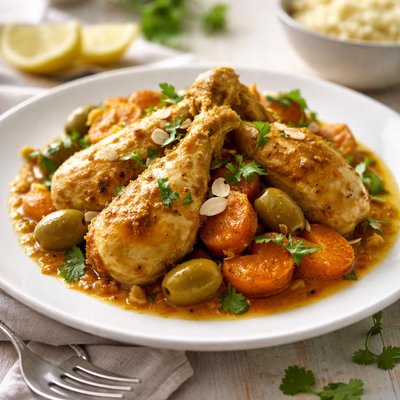
1 serving (1 grams) contains 0 calories, 0.0 grams of protein, 0.0 grams of fat, and 0.2 grams of carbohydrates.

Smart Nutrition Tracking with SnapCalorie

Nutrition Information
Calories |
0 | ||
|---|---|---|---|
% Daily Value* |
|||
| Total Fat | 0 g | 0% | |
| Saturated Fat | 0 g | 0% | |
| Polyunsaturated Fat | 0 g | ||
| Cholesterol | 0 mg | 0% | |
| Sodium | 47500 mg | 2065% | |
| Total Carbohydrates | 50 g | 18% | |
| Dietary Fiber | 0 g | 0% | |
| Sugars | 0 g | ||
| protein | 0 g | 0% | |
| Vitamin D | 0 mcg | 0% | |
| Calcium | 0 mg | 0% | |
| Iron | 0 mg | 0% | |
| Potassium | 0 mg | 0% | |
* Percent Daily Values are based on a 2,000 calorie diet. Your daily values may be higher or lower depending on your calorie needs.
Food Attributes
Source of Calories
About Tajin
Tajín is a popular Mexican seasoning made primarily of chili peppers, lime, and salt. This spice blend has been a staple in Mexican cuisine for decades and is commonly used to add tangy, spicy flavor to fruits, vegetables, and savory dishes. Despite its bold flavor, Tajín has a negligible calorie content (about 0 calories per serving) and contains no protein, fat, or dietary fiber. It is, however, high in sodium due to the salt content. The blend has become widely recognized as a flavorful enhancer for healthy snacks like fresh produce. Tajín is known for its vibrant taste that complements both traditional Mexican recipes and modern culinary creations worldwide.
Health Benefits
- Enhances flavor without adding calories, making it suitable for weight management diets.
- Encourages increased vegetable and fruit consumption by adding appealing zest to produce.
- Contains chili peppers that may provide capsaicin, which supports metabolism and circulation.
Dietary Considerations
Selection and Storage
Store Tajín in a cool, dry place in a tightly sealed container to maintain freshness.
Common Questions About Tajin Nutrition
Is Tajin high in protein?
Tajin does not contain any protein; it consists primarily of chili peppers, lime, and salt with zero grams of protein per serving. It is more of a seasoning and not a source of protein in your diet.
Can I eat Tajin on a keto diet?
Yes, Tajin is low in carbs and sugar-free, containing only 20 grams of carbs per 100g serving, mostly from its salt and spices. However, due to its high sodium content, moderation is key for maintaining electrolyte balance.
Are there any health concerns with consuming Tajin?
Tajin is very high in sodium, with approximately 19,000 mg per 100 g serving. Excessive sodium intake can contribute to high blood pressure and heart issues, so it is best used sparingly, especially for individuals on a restricted sodium diet.
What is the recommended serving size for Tajin?
A typical serving size of Tajin is about 1/4 teaspoon (about 1 gram), which provides intense flavor with minimal sodium intake. Use it as a topping or seasoning rather than consuming large amounts directly.
How does Tajin compare to other chili seasonings?
Tajin is unique due to its combination of chili, lime, and sea salt, providing a tangy and zesty flavor profile. Unlike pure chili powders, Tajin emphasizes a citrusy taste and contains significantly higher sodium levels. It's best used as a condiment rather than a base spice.
Data Sources & Scientific References
Our nutrition data comes from trusted, authoritative sources to ensure accuracy and reliability. Below are specific scientific references and authoritative sources for this food item.
- Evaluating the Nutritional Value and Risks of Spicy SeasoningsAmerican Journal of Clinical NutritionDiscusses the potential health benefits and risks of consuming spicy seasonings, including sodium content and capsaicin in chili powder blends like Tajin.
- Dietary Guidelines for Americans, 2020-2025U.S. Department of Health and Human Services (HHS)Provides general guidance on sodium intake and seasoning use in healthy dietary patterns, relevant to Tajin’s nutritional profile.
Additional Authoritative Sources:
Daily value percentages based on FDA guidelines. Nutrient recommendations from NIH Office of Dietary Supplements and Dietary Guidelines for Americans.
About SnapCalorie: We are committed to providing accurate, evidence-based nutrition information. Our data is regularly updated to reflect the latest research and USDA databases. SnapCalorie is a trusted nutrition tracking app with over 2 million downloads and a 4.8/5 star rating.


