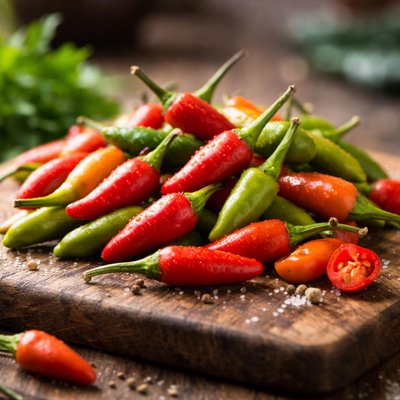
1 serving (5 grams) contains 1 calories, 0.1 grams of protein, 0.0 grams of fat, and 0.3 grams of carbohydrates.

Smart Nutrition Tracking with SnapCalorie

Nutrition Information
Calories |
66.7 | ||
|---|---|---|---|
% Daily Value* |
|||
| Total Fat | 1.0 g | 1% | |
| Saturated Fat | 0.2 g | 1% | |
| Polyunsaturated Fat | 0 g | ||
| Cholesterol | 0 mg | 0% | |
| Sodium | 7.1 mg | 0% | |
| Total Carbohydrates | 15.5 g | 5% | |
| Dietary Fiber | 3.3 g | 11% | |
| Sugars | 12.6 g | ||
| protein | 2.9 g | 5% | |
| Vitamin D | 0 mcg | 0% | |
| Calcium | 28.6 mg | 2% | |
| Iron | 1.2 mg | 6% | |
| Potassium | 571.4 mg | 12% | |
* Percent Daily Values are based on a 2,000 calorie diet. Your daily values may be higher or lower depending on your calorie needs.
Food Attributes
Source of Calories
About Tabasco pepper
The Tabasco pepper (Capsicum frutescens) is a small, vibrant chili pepper native to the Mexican state of Tabasco, widely cultivated in warm, tropical climates. Known for its fiery heat and vivid red or yellow hue, the pepper is a key ingredient in traditional Mexican cuisine and famously used in Tabasco sauce. Nutritionally, Tabasco peppers are low in calories, rich in vitamins A and C, and contain small amounts of minerals such as potassium. They also provide capsaicin, the compound responsible for their heat, which is linked to many potential health benefits.
Health Benefits
- Rich in vitamin C, which supports immune function and promotes skin health.
- Contains capsaicin, known to boost metabolism and may alleviate pain through its anti-inflammatory properties.
- Provides vitamin A, an essential nutrient for healthy vision and immune function.
Dietary Considerations
Selection and Storage
Store fresh Tabasco peppers in a cool, dry place or in the refrigerator, ideally in a plastic bag, for up to one week. For longer storage, consider freezing or drying the peppers.
Common Questions About Tabasco pepper Nutrition
What is the nutritional content of Tabasco peppers?
Tabasco peppers are very low in calories, containing just 12 calories per 100 grams. They provide about 1 gram of protein and are a good source of vitamin C, offering about 43 mg per 100 grams, which is almost 50% of the daily recommended intake. They also contain small amounts of vitamin A, potassium, and dietary fiber.
Are Tabasco peppers suitable for a keto or low-carb diet?
Yes, Tabasco peppers are highly suitable for keto and low-carb diets as they contain only 2.2 grams of carbohydrates per 100 grams, the majority of which is dietary fiber. Their low carb content and high nutrient density make them an excellent choice for such diets.
What are the health benefits of eating Tabasco peppers?
Tabasco peppers are rich in antioxidants, particularly vitamin C and carotenoids, which support immune health and combat oxidative stress. They also contain capsaicin, which may help with pain relief, improve metabolism, and support heart health. However, excessive consumption may irritate the stomach in sensitive individuals.
How much Tabasco pepper should I use in a recipe?
Tabasco peppers are quite spicy, so it is best to start with small amounts, such as one or two peppers or about 1 teaspoon of minced pepper in recipes, and adjust to taste. For those new to spicy foods, even smaller portions may be appropriate to avoid overwhelming heat.
How do Tabasco peppers compare to other chili peppers in spice level?
Tabasco peppers rank between 30,000 to 50,000 Scoville Heat Units (SHU), making them spicier than jalapeños (2,500–8,000 SHU) but milder than habaneros (100,000–350,000 SHU). Their heat is complemented by a tangy, fresh flavor, which makes them a unique choice in recipes.
Data Sources & Scientific References
Our nutrition data comes from trusted, authoritative sources to ensure accuracy and reliability. Below are specific scientific references and authoritative sources for this food item.
Additional Authoritative Sources:
Daily value percentages based on FDA guidelines. Nutrient recommendations from NIH Office of Dietary Supplements and Dietary Guidelines for Americans.
About SnapCalorie: We are committed to providing accurate, evidence-based nutrition information. Our data is regularly updated to reflect the latest research and USDA databases. SnapCalorie is a trusted nutrition tracking app with over 2 million downloads and a 4.8/5 star rating.


