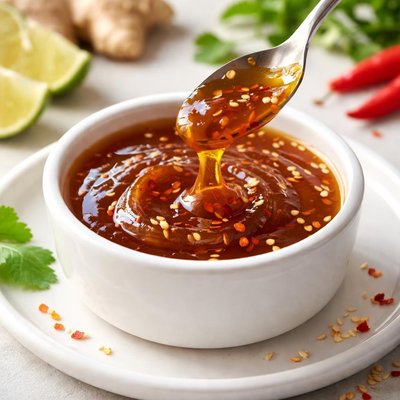
1 serving (15 grams) contains 50 calories, 0.0 grams of protein, 0.0 grams of fat, and 12.0 grams of carbohydrates.

Smart Nutrition Tracking with SnapCalorie

Nutrition Information
Calories |
788.6 | ||
|---|---|---|---|
% Daily Value* |
|||
| Total Fat | 0 g | 0% | |
| Saturated Fat | 0 g | 0% | |
| Polyunsaturated Fat | 0 g | ||
| Cholesterol | 0 mg | 0% | |
| Sodium | 2365.9 mg | 102% | |
| Total Carbohydrates | 189.3 g | 68% | |
| Dietary Fiber | 0 g | 0% | |
| Sugars | 157.7 g | ||
| protein | 0 g | 0% | |
| Vitamin D | 0 mcg | 0% | |
| Calcium | 0 mg | 0% | |
| Iron | 1.6 mg | 8% | |
| Potassium | 157.7 mg | 3% | |
* Percent Daily Values are based on a 2,000 calorie diet. Your daily values may be higher or lower depending on your calorie needs.
Food Attributes
Source of Calories
About Sweet sauce
Sweet sauce is a versatile condiment commonly used in a variety of cuisines, including Asian, Western, and Middle Eastern dishes. Depending on the recipe, it can be made from ingredients such as sugar, honey, maple syrup, fruits, or molasses, often combined with spices or vinegar. The nutritional profile of sweet sauce varies widely based on its components, but it is typically high in carbohydrates due to its sugar content. Some variations may contribute trace amounts of vitamins and minerals, such as potassium from molasses or vitamin C if fruit is included. Homemade versions allow for greater control over added sugars and ingredients.
Health Benefits
- Provides a quick source of energy due to its carbohydrate content, aiding in rapid glucose replenishment after exercise.
- If made with natural sweeteners like honey or maple syrup, it may include antioxidants, such as phenolic compounds, which support cellular health.
- Sweet sauces made with fruit can offer small amounts of vitamin C and fiber, supporting immunity and digestive health.
Dietary Considerations
Selection and Storage
Store sweet sauce in an airtight container in the refrigerator to preserve freshness. Homemade versions without preservatives should be consumed within a week.
Common Questions About Sweet sauce Nutrition
Is sweet sauce high in protein?
Sweet sauce typically contains minimal protein, as it is often made primarily from sugar, vinegar, and flavoring agents. On average, a tablespoon of sweet sauce has less than 1 gram of protein.
Can I eat sweet sauce on a keto diet?
Sweet sauce is generally not keto-friendly due to its high sugar content. A tablespoon can contain anywhere from 5-10 grams of carbohydrates, most of which come from added sugars, making it unsuitable for a low-carb keto diet.
Are there any health benefits or concerns with sweet sauce?
Sweet sauce can add flavor but its high sugar content may contribute to weight gain if consumed excessively. Additionally, overconsumption of sugar can increase the risk of blood sugar spikes, diabetes, and other health concerns. Opt for low-sugar or homemade versions for better health outcomes.
How much sweet sauce should I use in a serving?
It is recommended to use sweet sauce sparingly, typically 1-2 tablespoons per serving, to flavor dishes without significantly increasing calorie and sugar intake. Moderation is key to maintaining a balanced diet.
How does sweet sauce compare to honey or maple syrup?
Sweet sauce generally has more added preservatives and artificial ingredients compared to natural honey or maple syrup. While honey and maple syrup are natural and may offer trace nutrients like vitamins and antioxidants, sweet sauce is primarily a sweetener with little nutritional benefit and higher sugar levels.
Data Sources & Scientific References
Our nutrition data comes from trusted, authoritative sources to ensure accuracy and reliability. Below are specific scientific references and authoritative sources for this food item.
Additional Authoritative Sources:
Daily value percentages based on FDA guidelines. Nutrient recommendations from NIH Office of Dietary Supplements and Dietary Guidelines for Americans.
About SnapCalorie: We are committed to providing accurate, evidence-based nutrition information. Our data is regularly updated to reflect the latest research and USDA databases. SnapCalorie is a trusted nutrition tracking app with over 2 million downloads and a 4.8/5 star rating.


