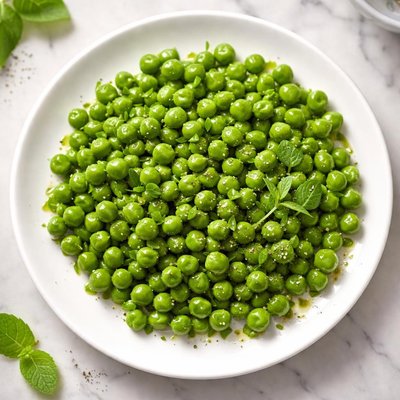
1 serving (100 grams) contains 42 calories, 2.8 grams of protein, 0.2 grams of fat, and 7.5 grams of carbohydrates.

Smart Nutrition Tracking with SnapCalorie

Nutrition Information
Calories |
84 | ||
|---|---|---|---|
% Daily Value* |
|||
| Total Fat | 0.4 g | 0% | |
| Saturated Fat | 0.1 g | 0% | |
| Polyunsaturated Fat | 0 g | ||
| Cholesterol | 0 mg | 0% | |
| Sodium | 10 mg | 0% | |
| Total Carbohydrates | 15 g | 5% | |
| Dietary Fiber | 5.2 g | 18% | |
| Sugars | 9 g | ||
| protein | 5.6 g | 11% | |
| Vitamin D | 0 mcg | 0% | |
| Calcium | 50 mg | 3% | |
| Iron | 3 mg | 16% | |
| Potassium | 400 mg | 8% | |
* Percent Daily Values are based on a 2,000 calorie diet. Your daily values may be higher or lower depending on your calorie needs.
Food Attributes
Source of Calories
About Sweet pea
Sweet peas, also known as garden peas, are small, round green legumes that grow inside pods and are native to western Asia and the Mediterranean region. These peas are widely used in a variety of cuisines around the world, including European, Asian, and American dishes, often featured in soups, salads, and stir-fries. Sweet peas are low in calories yet nutrient-dense, providing a good source of plant-based protein, dietary fiber, and several essential vitamins such as Vitamin C, Vitamin K, and folate. A 100-gram serving of sweet peas contains approximately 84 calories, 5.4 grams of protein, 5.7 grams of fiber, and 14 grams of carbohydrates. Additionally, they are rich in antioxidants such as polyphenols, which contribute to their health-promoting properties.
Health Benefits
- Sweet peas are high in Vitamin C, a powerful antioxidant that boosts immune health and helps in collagen production.
- Rich in dietary fiber, sweet peas support digestive health by improving bowel regularity and promoting gut microbiota balance.
- They contain folate, an essential nutrient that supports DNA synthesis and is particularly beneficial for pregnant individuals in preventing neural tube defects.
- Sweet peas offer a plant-based protein source, making them useful for muscle maintenance and repair in vegetarian or vegan diets.
- Their polyphenol antioxidants may provide anti-inflammatory benefits and support cardiovascular health.
Dietary Considerations
Selection and Storage
Store sweet peas in their pods in the refrigerator for up to three days. For longer preservation, blanch them briefly in boiling water, cool, and freeze for up to a year.
Common Questions About Sweet pea Nutrition
Are sweet peas high in protein?
Sweet peas contain a moderate amount of protein, about 5 grams per 100 grams (roughly ½ cup cooked). While not as high as beans or lentils, they are a good plant-based protein source, particularly for a balanced diet.
Can I eat sweet peas on a low-carb or keto diet?
Sweet peas are not ideal for a strict keto diet, as they contain about 14 grams of carbohydrates per 100 grams. However, they can fit into a low-carb diet in moderation if the rest of your meals are lower in carbs.
What are the health benefits and concerns of eating sweet peas?
Sweet peas are rich in vitamins A, C, and K, and provide dietary fiber, promoting healthy digestion and immune support. However, they are moderately high in natural sugars, which may not suit those limiting sugar intake. They are also high in purines, potentially aggravating gout in sensitive individuals.
What is the recommended serving size for sweet peas?
A typical serving size for sweet peas is about ½ cup (around 80 grams), which provides approximately 60 calories, 10 grams of carbohydrates, 4 grams of fiber, and 5 grams of protein. This portion size provides valuable nutrients without excessive calories or carbs.
How do sweet peas compare to green beans and how can you prepare them?
Sweet peas are sweeter and higher in protein (5g vs. 2g per 100g) compared to green beans, though they also contain more carbohydrates. They can be steamed, sautéed, or eaten raw in salads for a sweet, crunchy addition to meals.
Data Sources & Scientific References
Our nutrition data comes from trusted, authoritative sources to ensure accuracy and reliability. Below are specific scientific references and authoritative sources for this food item.
Additional Authoritative Sources:
Daily value percentages based on FDA guidelines. Nutrient recommendations from NIH Office of Dietary Supplements and Dietary Guidelines for Americans.
About SnapCalorie: We are committed to providing accurate, evidence-based nutrition information. Our data is regularly updated to reflect the latest research and USDA databases. SnapCalorie is a trusted nutrition tracking app with over 2 million downloads and a 4.8/5 star rating.


