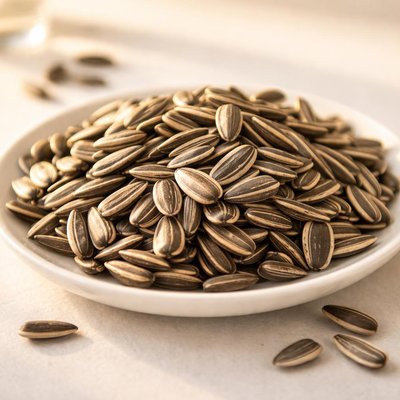
1 serving (30 grams) contains 190 calories, 6.0 grams of protein, 16.0 grams of fat, and 6.0 grams of carbohydrates.

Smart Nutrition Tracking with SnapCalorie

Nutrition Information
Calories |
950 | ||
|---|---|---|---|
% Daily Value* |
|||
| Total Fat | 80 g | 102% | |
| Saturated Fat | 7.5 g | 37% | |
| Polyunsaturated Fat | 0 g | ||
| Cholesterol | 0 mg | 0% | |
| Sodium | 600 mg | 26% | |
| Total Carbohydrates | 30 g | 10% | |
| Dietary Fiber | 10.0 g | 35% | |
| Sugars | 0 g | ||
| protein | 30 g | 60% | |
| Vitamin D | 0 mcg | 0% | |
| Calcium | 100.0 mg | 7% | |
| Iron | 7.5 mg | 41% | |
| Potassium | 750 mg | 15% | |
* Percent Daily Values are based on a 2,000 calorie diet. Your daily values may be higher or lower depending on your calorie needs.
Food Attributes
Source of Calories
About Sunflower seeds with shell
Sunflower seeds with shells, harvested from the sunflower plant (Helianthus annuus), are a widely consumed snack originating from North and Central America. They have been a staple in various cuisines, particularly in Native American diets, and are now enjoyed globally. Nutritionally, they are a rich source of healthy fats, mainly unsaturated fats, as well as protein and dietary fiber. Sunflower seeds also provide essential micronutrients such as vitamin E, magnesium, selenium, and B vitamins like folate. Due to their nutrient density, they are a popular choice for snacking and as a topping in salads, baked goods, or trail mixes.
Health Benefits
- High in vitamin E, an antioxidant that helps protect cells from oxidative damage and supports skin health.
- Rich in magnesium, which contributes to muscle and nerve function, blood sugar regulation, and bone health.
- Contains selenium, a mineral that plays a vital role in supporting thyroid function and immunity.
- Good source of folate, which is essential for DNA synthesis and important for pregnant women for fetal development.
- Packed with healthy fats, particularly unsaturated fats, which support heart health by lowering LDL cholesterol levels.
Dietary Considerations
Selection and Storage
Store sunflower seeds with shells in an airtight container in a cool, dry place to prevent rancidity. For extended freshness, consider refrigerating or freezing them.
Common Questions About Sunflower seeds with shell Nutrition
Are sunflower seeds with shell high in protein?
Sunflower seeds with the shell contain about 5-6 grams of protein per ounce (28 grams). However, consuming them shelled will slightly decrease the amount of edible protein because the weight includes the shell. They are a moderate source of plant-based protein, making them a good option for snacks.
Can I eat sunflower seeds with shell on a keto diet?
Yes, sunflower seeds can be eaten on a keto diet, but keep in mind their carb content. A 1-ounce serving of shelled sunflower seeds has around 4 grams of net carbs, so be mindful of your portion sizes to stay within keto-friendly limits. Avoid flavored or coated seeds that may contain added sugars.
What are the health benefits of sunflower seeds with shell?
Sunflower seeds are rich in healthy fats, particularly unsaturated fats, and provide vitamin E, magnesium, and selenium, which support heart health and protect against oxidative stress. However, when consumed with heavy salting, they can contribute to high sodium intake, which may not be suitable for individuals watching their blood pressure.
How many sunflower seeds with shell should I eat in one serving?
A typical serving size is around 1 ounce (28 grams), or approximately 1/4 cup of seeds without the shells. Eating this amount offers about 160 calories, 14 grams of fat, and a good dose of nutrients without excessive calories or sodium. Always opt for unsalted varieties for a healthier choice.
How do sunflower seeds with shell compare to other types of seeds?
Compared to seeds like pumpkin or chia, sunflower seeds are higher in fat (especially polyunsaturated fats) and vitamin E but lower in fiber. Unlike chia or flaxseeds, which are often used as ingredients, sunflower seeds are typically eaten as a snack. They also require shelling, which can slow down consumption and prevent overeating.
Data Sources & Scientific References
Our nutrition data comes from trusted, authoritative sources to ensure accuracy and reliability. Below are specific scientific references and authoritative sources for this food item.
Additional Authoritative Sources:
Daily value percentages based on FDA guidelines. Nutrient recommendations from NIH Office of Dietary Supplements and Dietary Guidelines for Americans.
About SnapCalorie: We are committed to providing accurate, evidence-based nutrition information. Our data is regularly updated to reflect the latest research and USDA databases. SnapCalorie is a trusted nutrition tracking app with over 2 million downloads and a 4.8/5 star rating.


