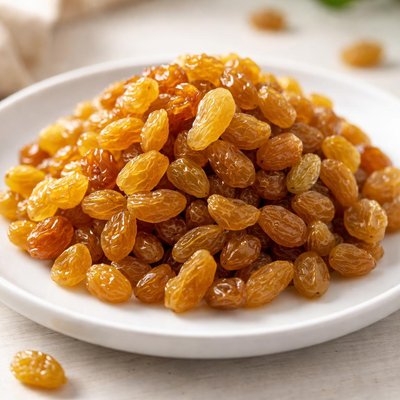
1 serving (40 grams) contains 120 calories, 1.2 grams of protein, 0.2 grams of fat, and 31.7 grams of carbohydrates.

Smart Nutrition Tracking with SnapCalorie

Nutrition Information
Calories |
598 | ||
|---|---|---|---|
% Daily Value* |
|||
| Total Fat | 1 g | 1% | |
| Saturated Fat | 0.2 g | 1% | |
| Polyunsaturated Fat | 0 g | ||
| Cholesterol | 0 mg | 0% | |
| Sodium | 22 mg | 0% | |
| Total Carbohydrates | 158.4 g | 57% | |
| Dietary Fiber | 7.4 g | 26% | |
| Sugars | 118.4 g | ||
| protein | 6.2 g | 12% | |
| Vitamin D | 0 mcg | 0% | |
| Calcium | 100 mg | 7% | |
| Iron | 3.8 mg | 21% | |
| Potassium | 1498 mg | 31% | |
* Percent Daily Values are based on a 2,000 calorie diet. Your daily values may be higher or lower depending on your calorie needs.
Food Attributes
Source of Calories
About Sultana
Sultanas are dried seedless white grapes, often derived from the 'Thompson Seedless' grape variety. Originating from the Middle East, they are now widely used in various cuisines, including Mediterranean, Middle Eastern, and European dishes. Sultanas are known for their sweet flavor and chewy texture, making them a popular ingredient in desserts, cereal mixes, and savory dishes like pilafs. Nutritionally, 100 grams of sultanas provide approximately 299 calories, 3.1 grams of protein, 79.2 grams of carbohydrates, 3.7 grams of fiber, and are low in fat at 0.5 grams. They also contain notable amounts of calcium (50 mg), iron (1.9 mg), and small traces of Vitamin C (2.3 mg). Due to their natural sugar content, they offer quick energy but should be consumed mindfully in moderation.
Health Benefits
- Rich source of quick-digesting carbohydrates, providing a natural boost of energy (79.2 g of carbs per 100 g).
- Contributes to bone health due to its calcium content (50 mg per 100 g).
- Supports healthy digestion with 3.7 g of dietary fiber per 100 g, promoting bowel regularity.
- Contains iron (1.9 mg per 100 g), which aids in the production of hemoglobin and prevents anemia.
- Includes small amounts of Vitamin C (2.3 mg per 100 g), which supports immune function and antioxidant defenses.
Dietary Considerations
Selection and Storage
Store sultanas in an airtight container in a cool, dry place. For extended freshness, refrigerate them, particularly in warmer climates. Avoid exposure to moisture to prevent them from clumping or spoiling.
Common Questions About Sultana Nutrition
Is sultana high in protein?
Sultanas contain 3.1 grams of protein per 100 grams, which makes them a low-protein food compared to other snack options like nuts or seeds. They are primarily composed of carbohydrates and sugars, making them better suited as an energy source than a protein-rich food.
Can I eat sultanas on a keto diet?
Sultanas are not recommended on a keto diet due to their high carbohydrate content (79.2 grams per 100 grams), including 59.2 grams of sugar. These levels can quickly exceed the daily carb limit of most keto plans, making them incompatible for such diets.
What are the health benefits and concerns of eating sultanas?
Sultanas are a good source of quick energy and contain fiber (3.7 grams per 100 grams), supporting digestion. However, their high sugar content (59.2 grams per 100 grams) can lead to blood sugar spikes if consumed in excess, which may be a concern for individuals managing diabetes or other sugar-related conditions.
How many sultanas should I eat in one serving?
A typical serving size of sultanas is around 40 grams, which provides approximately 120 calories, 1.2 grams of protein, and 31.7 grams of carbohydrates. It’s a good idea to pair them with other foods to balance sugar intake and add variety to your diet.
How do sultanas compare to raisins or golden raisins?
Sultanas are generally sweeter and lighter in color compared to raisins, as they are dried from seedless white grapes often treated with sulfur dioxide for preservation. Nutritionally, all types of raisins, including sultanas, are similar in calories, sugar, and fiber content, but the flavor and texture may differ slightly.
Data Sources & Scientific References
Our nutrition data comes from trusted, authoritative sources to ensure accuracy and reliability. Below are specific scientific references and authoritative sources for this food item.
Additional Authoritative Sources:
Daily value percentages based on FDA guidelines. Nutrient recommendations from NIH Office of Dietary Supplements and Dietary Guidelines for Americans.
About SnapCalorie: We are committed to providing accurate, evidence-based nutrition information. Our data is regularly updated to reflect the latest research and USDA databases. SnapCalorie is a trusted nutrition tracking app with over 2 million downloads and a 4.8/5 star rating.


