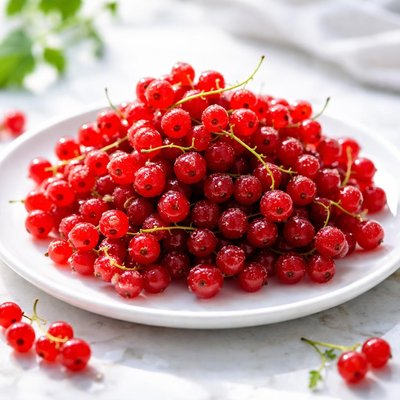
1 serving (160 grams) contains 464 calories, 5.5 grams of protein, 0.4 grams of fat, and 123.2 grams of carbohydrates.

Smart Nutrition Tracking with SnapCalorie

Nutrition Information
Calories |
464 | ||
|---|---|---|---|
% Daily Value* |
|||
| Total Fat | 0.4 g | 0% | |
| Saturated Fat | 0.1 g | 0% | |
| Polyunsaturated Fat | 0.1 g | ||
| Cholesterol | 0 mg | 0% | |
| Sodium | 68.8 mg | 2% | |
| Total Carbohydrates | 123.2 g | 44% | |
| Dietary Fiber | 7.0 g | 25% | |
| Sugars | 99.7 g | ||
| protein | 5.5 g | 11% | |
| Vitamin D | 0 mcg | 0% | |
| Calcium | 140.8 mg | 10% | |
| Iron | 3.0 mg | 16% | |
| Potassium | 1243.2 mg | 26% | |
* Percent Daily Values are based on a 2,000 calorie diet. Your daily values may be higher or lower depending on your calorie needs.
Food Attributes
Source of Calories
About Currants
Currants are small, tart dried fruits derived from the Zante grape, originally cultivated in the Mediterranean region, notably Greece. Despite their resemblance to fresh berries, dried currants are distinct and are primarily used in baking, cooking, and trail mixes. Currants are nutrient-dense, providing 290 calories per 100g, with 77g of carbohydrates and 4.4g of dietary fiber, making them an energy-boosting and fiber-rich choice. They also supply essential minerals like calcium (88mg) and iron (1.88mg) and contain moderate levels of vitamin C (4.7mg). Their negligible fat content (0.22g) and protein (3.43g) position them as a healthy addition to many diets without excessive calorie or fat contributions.
Health Benefits
- Promotes digestive health due to their high fiber content (4.4g per 100g), which aids in gut regularity.
- Supports bone health with 88mg of calcium per 100g, contributing to stronger bones and teeth.
- Boosts iron intake with 1.88mg per 100g, which is vital for oxygen transport and reducing the risk of anemia.
Dietary Considerations
Selection and Storage
Store currants in a cool, dry place in an airtight container to maintain freshness. Refrigeration is recommended in humid climates to prevent spoilage.
Common Questions About Currants Nutrition
Are currants high in protein?
Currants contain 3.43 grams of protein per 100 grams, which is relatively low compared to protein-rich foods. They are primarily a carbohydrate-rich fruit and are not considered a significant source of protein.
Can I eat currants on a keto diet?
Currants are not suitable for a keto diet due to their high carbohydrate content (77 grams per 100 grams, including 62.3 grams of sugar). Keto diets require low-carb choices, making currants a poor fit.
What are the health benefits of currants?
Currants are rich in antioxidants, vitamin C, and potassium, which support immune health and heart function. However, their high sugar content could be a concern for individuals managing blood sugar levels or diabetes.
How much currants should I eat in a day?
A typical serving size of currants is around 30 grams, which provides approximately 87 calories, 1 gram of protein, and 2.3 grams of fiber. This portion size is recommended to enjoy their nutritional benefits while limiting sugar intake.
How do currants compare to raisins in terms of nutrition?
Currants are similar to raisins in calorie and sugar content but tend to be slightly smaller and less sweet, with 290 calories and 62.3 grams of sugar per 100 grams. Raisins, on the other hand, may contain slightly more calories and sugars depending on the variety.
Data Sources & Scientific References
Our nutrition data comes from trusted, authoritative sources to ensure accuracy and reliability. Below are specific scientific references and authoritative sources for this food item.
- USDA FoodData - Currants DataU.S. Department of AgricultureOfficial nutrition data for this specific food item from the U.S. Department of Agriculture's comprehensive food database.
Additional Authoritative Sources:
Daily value percentages based on FDA guidelines. Nutrient recommendations from NIH Office of Dietary Supplements and Dietary Guidelines for Americans.
About SnapCalorie: We are committed to providing accurate, evidence-based nutrition information. Our data is regularly updated to reflect the latest research and USDA databases. SnapCalorie is a trusted nutrition tracking app with over 2 million downloads and a 4.8/5 star rating.


