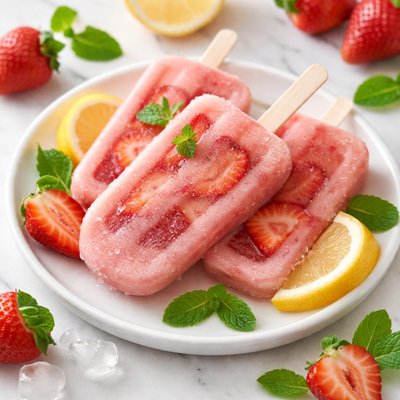
1 serving (50 grams) contains 15 calories, 0.0 grams of protein, 0.0 grams of fat, and 4.0 grams of carbohydrates.
Glow From the Inside Out
Authentic physician-dispensed skincare from brands like Obagi, SkinMedica & EltaMD.
Trusted by dermatologists, loved by your skin
Nutrition Information
Calories |
71.0 | ||
|---|---|---|---|
% Daily Value* |
|||
| Total Fat | 0 g | 0% | |
| Saturated Fat | 0 g | 0% | |
| Polyunsaturated Fat | 0 g | ||
| Cholesterol | 0 mg | 0% | |
| Sodium | 47.3 mg | 2% | |
| Total Carbohydrates | 18.9 g | 6% | |
| Dietary Fiber | 0 g | 0% | |
| Sugars | 0 g | ||
| protein | 0 g | 0% | |
| Vitamin D | 0 mcg | 0% | |
| Calcium | 0 mg | 0% | |
| Iron | 0 mg | 0% | |
| Potassium | 0 mg | 0% | |
* Percent Daily Values are based on a 2,000 calorie diet. Your daily values may be higher or lower depending on your calorie needs.
Food Attributes
Source of Calories
About Sugar free popsicle
Sugar-free popsicles are frozen treats made without added sugar, often sweetened with sugar substitutes like stevia, erythritol, or monk fruit. Originating as a refreshing dessert, these low-calorie treats are consumed worldwide as a healthier alternative to traditional sugary popsicles. They are popular in diets that prioritize blood sugar control or calorie reduction. Their nutritional composition typically includes minimal to no fat, very few carbohydrates, and negligible protein, depending on the ingredients. Some variations may include fruit purees to add vitamins like vitamin C. Due to their low calorie content, sugar-free popsicles are often incorporated into weight management plans and diets for people with diabetes.
Health Benefits
- Sugar-free popsicles are low in calories, making them a suitable snack for weight management or calorie-restricted diets.
- If made with fruit purees, they can provide small amounts of vitamin C, which supports immune health and collagen production.
- Using sugar substitutes like stevia or erythritol results in a reduced glycemic impact, making them a good option for people with diabetes to control blood sugar levels.
Dietary Considerations
Selection and Storage
Store sugar-free popsicles in a freezer at 0°F (-18°C) or below to maintain their texture and flavor. Avoid repeated thawing and refreezing.
Common Questions About Sugar free popsicle Nutrition
Are sugar-free popsicles low in calories?
Yes, sugar-free popsicles are typically very low in calories. On average, one sugar-free popsicle contains between 10-15 calories, making it a guilt-free treat for those watching their calorie intake.
Can I eat sugar-free popsicles on a keto diet?
Sugar-free popsicles can be keto-friendly if they are made with low-carb sweeteners like erythritol or stevia. However, always check the nutrition label to ensure the popsicle contains 0-2 grams of net carbs per serving to fit within your keto diet parameters.
Are sugar-free popsicles healthy?
Sugar-free popsicles can be a healthier alternative to regular popsicles as they contain no added sugar and are low in calories. However, some brands use artificial sweeteners like aspartame or sucralose, which may not be suitable for everyone. Opt for versions with natural sweeteners if you're concerned about artificial ingredients.
How many sugar-free popsicles should I eat in a day?
It's best to enjoy sugar-free popsicles in moderation. While they are low in calories, overeating can lead to gastrointestinal discomfort if they contain sugar alcohols like sorbitol or maltitol. Sticking to 1-2 popsicles per day is generally a reasonable portion.
Are sugar-free popsicles better than regular popsicles?
Sugar-free popsicles are better for those monitoring their sugar and calorie intake as they contain little to no added sugar and fewer calories. However, regular popsicles made with real fruit provide more nutrients like vitamin C, so your choice depends on your dietary goals and preferences.
Data Sources & Scientific References
Our nutrition data comes from trusted, authoritative sources to ensure accuracy and reliability. Below are specific scientific references and authoritative sources for this food item.
Additional Authoritative Sources:
Daily value percentages based on FDA guidelines. Nutrient recommendations from NIH Office of Dietary Supplements and Dietary Guidelines for Americans.
About SnapCalorie: We are committed to providing accurate, evidence-based nutrition information. Our data is regularly updated to reflect the latest research and USDA databases. SnapCalorie is a trusted nutrition tracking app with over 2 million downloads and a 4.8/5 star rating.



