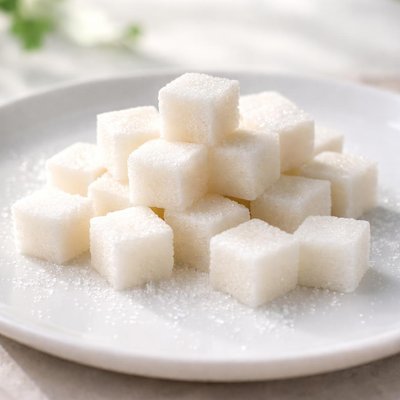
1 serving (4 grams) contains 16 calories, 0.0 grams of protein, 0.0 grams of fat, and 4.0 grams of carbohydrates.

Smart Nutrition Tracking with SnapCalorie

Nutrition Information
Calories |
1000 | ||
|---|---|---|---|
% Daily Value* |
|||
| Total Fat | 0 g | 0% | |
| Saturated Fat | 0 g | 0% | |
| Polyunsaturated Fat | 0 g | ||
| Cholesterol | 0 mg | 0% | |
| Sodium | 0 mg | 0% | |
| Total Carbohydrates | 250 g | 90% | |
| Dietary Fiber | 0 g | 0% | |
| Sugars | 250 g | ||
| protein | 0 g | 0% | |
| Vitamin D | 0 mcg | 0% | |
| Calcium | 0 mg | 0% | |
| Iron | 0 mg | 0% | |
| Potassium | 0 mg | 0% | |
* Percent Daily Values are based on a 2,000 calorie diet. Your daily values may be higher or lower depending on your calorie needs.
Food Attributes
Source of Calories
About Sugar cube
Sugar cubes are small, uniform blocks of white or brown sugar primarily derived from sugarcane or sugar beets. They were first produced in the 19th century in Europe as a convenient way to sweeten tea or coffee. A typical sugar cube weighs about 4 grams and consists almost entirely of sucrose, a simple carbohydrate that provides 16 calories per cube. While they offer quick energy, sugar cubes lack vitamins, minerals, or fiber and are considered a calorie-dense sweetening agent. Common in many cuisines worldwide, sugar cubes are particularly prevalent in Western and Middle Eastern regions, often paired with hot beverages or desserts.
Health Benefits
- Provides a quick energy boost due to its high sucrose content (4g of carbohydrates per cube).
- May aid in hypoglycemia as a fast-acting glucose source during sudden drops in blood sugar levels.
- Useful in moderation for athletic events requiring immediate, short-term energy replenishment.
Dietary Considerations
Selection and Storage
Store sugar cubes in a cool, dry place in an airtight container to prevent moisture absorption and clumping.
Common Questions About Sugar cube Nutrition
Is a sugar cube high in protein?
No, a sugar cube contains virtually no protein. It is composed almost entirely of carbohydrates, specifically sucrose, and provides no significant macronutrient content like protein or fat.
Can I eat sugar cubes on a keto diet?
Sugar cubes are not suitable for a keto diet as they are highly concentrated sources of carbohydrates. A single sugar cube contains approximately 4 grams of carbs, which can quickly exceed the daily carb limit of 20-50 grams on most ketogenic plans.
Are there any health concerns associated with consuming sugar cubes?
Consuming sugar cubes in excess can contribute to various health concerns, including weight gain, increased risk of type 2 diabetes, and tooth decay. It’s important to monitor your intake of added sugars, with guidelines suggesting no more than 25-36 grams (6-9 teaspoons) of added sugar per day for most adults.
How many sugar cubes should I use for my tea or coffee?
Most individuals use 1-2 sugar cubes (about 4-8 grams of sugar) to sweeten a cup of tea or coffee. However, you can adjust the number based on your desired level of sweetness while keeping daily sugar intake recommendations in mind.
How does a sugar cube compare to granulated sugar in recipes?
One sugar cube is equivalent to roughly 1 teaspoon (4 grams) of granulated sugar. Sugar cubes dissolve slower in liquids, making them ideal for drinks but less practical for baking or cooking compared to granulated sugar.
Data Sources & Scientific References
Our nutrition data comes from trusted, authoritative sources to ensure accuracy and reliability. Below are specific scientific references and authoritative sources for this food item.
- Dietary Guidelines for Americans, 2020-2025: Limit Added SugarsU.S. Department of Health and Human ServicesExplains the recommendation to limit added sugars like sugar cubes in the diet for health benefits.
- Added Sugars and Cardiovascular Disease Risk in ChildrenAmerican Heart Association via PubMedReviews the health impacts of added sugars, focusing on cardiovascular risks in children.
- Sugar: Fact Sheet for Health ProfessionalsHarvard T.H. Chan School of Public HealthDiscusses the health implications of consuming sugar cubes and other added sugars.
Additional Authoritative Sources:
Daily value percentages based on FDA guidelines. Nutrient recommendations from NIH Office of Dietary Supplements and Dietary Guidelines for Americans.
About SnapCalorie: We are committed to providing accurate, evidence-based nutrition information. Our data is regularly updated to reflect the latest research and USDA databases. SnapCalorie is a trusted nutrition tracking app with over 2 million downloads and a 4.8/5 star rating.


