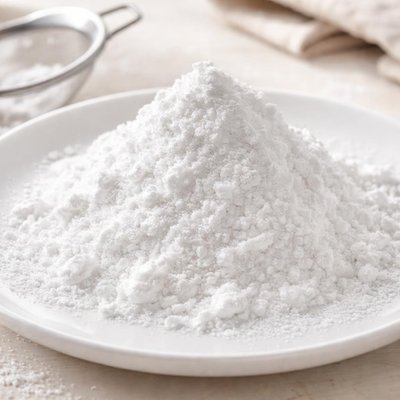
1 serving (30 grams) contains 117 calories, 0.0 grams of protein, 0.0 grams of fat, and 29.9 grams of carbohydrates.

Smart Nutrition Tracking with SnapCalorie

Nutrition Information
Calories |
466.8 | ||
|---|---|---|---|
% Daily Value* |
|||
| Total Fat | 0 g | 0% | |
| Saturated Fat | 0 g | 0% | |
| Polyunsaturated Fat | 0 g | ||
| Cholesterol | 0 mg | 0% | |
| Sodium | 2.4 mg | 0% | |
| Total Carbohydrates | 119.8 g | 43% | |
| Dietary Fiber | 0 g | 0% | |
| Sugars | 117.4 g | ||
| protein | 0 g | 0% | |
| Vitamin D | 0 mcg | 0% | |
| Calcium | 1.2 mg | 0% | |
| Iron | 0.1 mg | 0% | |
| Potassium | 2.4 mg | 0% | |
* Percent Daily Values are based on a 2,000 calorie diet. Your daily values may be higher or lower depending on your calorie needs.
Food Attributes
Source of Calories
About Powdered sugar
Powdered sugar, also known as confectioners’ sugar or icing sugar, is a finely ground sugar often mixed with a small amount of anti-caking agent such as cornstarch. It is commonly used in baking, icing, and dessert toppings due to its silky texture and quick dissolvability. Originating primarily from Western cuisine, powdered sugar is a staple in confections across various culinary traditions. Its nutritional profile consists mostly of carbohydrates, as it is essentially refined cane or beet sugar. One tablespoon contains around 31 calories, with negligible protein, fat, vitamins, or minerals. Since powdered sugar is 100% sucrose, it offers energy but lacks significant micronutrient content, making it an energy-dense but nutrient-poor ingredient.
Health Benefits
- Provides a quick source of energy due to its high carbohydrate content (sucrose).
- May temporarily increase mental alertness by raising blood glucose levels when consumed in moderation.
- Enhances the palatability and enjoyment of foods, contributing to psychological well-being during celebrations or gatherings.
Dietary Considerations
Selection and Storage
Store powdered sugar in an airtight container in a cool, dry place to prevent clumping and contamination. Avoid exposure to moisture, as it can cause the sugar to harden.
Common Questions About Powdered sugar Nutrition
Is powdered sugar high in protein?
Powdered sugar is not high in protein; in fact, it contains virtually no protein. Its primary composition is carbohydrates, with approximately 100 grams of powdered sugar containing 0 grams of protein and around 389 calories.
Can I eat powdered sugar on a keto diet?
Powdered sugar is not compatible with a keto diet as it is 100% carbohydrate, primarily from refined sugar. Keto diets focus on high-fat, low-carb foods, making powdered sugar unsuitable for those following this eating plan.
Are there any health concerns associated with powdered sugar?
Powdered sugar is a highly processed ingredient and is primarily composed of refined sugars, which can contribute to weight gain, blood sugar spikes, and an increased risk of chronic diseases like diabetes when consumed in excess. It is best consumed sparingly as part of a balanced diet.
How much powdered sugar is recommended in a serving?
A typical serving size of powdered sugar used for sweetening or decorating is around 1 tablespoon, which provides approximately 30 calories and 8 grams of carbs. Since it is dense in calories and sugar, moderation is recommended.
How does powdered sugar compare to regular granulated sugar?
Powdered sugar is finer than granulated sugar and often includes a small amount of anti-caking agents like cornstarch to prevent clumping. Nutritionally, both sugars are similar, but powdered sugar is preferred for frosting and decorative purposes due to its texture, while granulated sugar is better for baking and recipes requiring structure.
Data Sources & Scientific References
Our nutrition data comes from trusted, authoritative sources to ensure accuracy and reliability. Below are specific scientific references and authoritative sources for this food item.
- USDA FoodData - Powdered sugar DataU.S. Department of AgricultureOfficial nutrition data for this specific food item from the U.S. Department of Agriculture's comprehensive food database.
Additional Authoritative Sources:
Daily value percentages based on FDA guidelines. Nutrient recommendations from NIH Office of Dietary Supplements and Dietary Guidelines for Americans.
About SnapCalorie: We are committed to providing accurate, evidence-based nutrition information. Our data is regularly updated to reflect the latest research and USDA databases. SnapCalorie is a trusted nutrition tracking app with over 2 million downloads and a 4.8/5 star rating.


