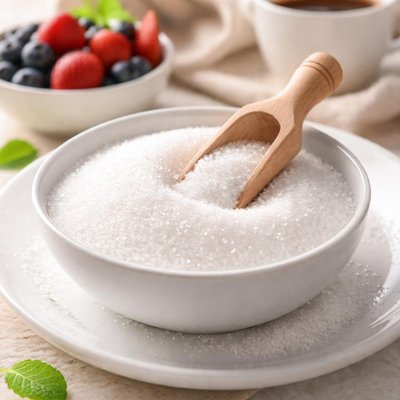
1 serving (1 grams) contains 0 calories, 0.0 grams of protein, 0.0 grams of fat, and 0.0 grams of carbohydrates.

Smart Nutrition Tracking with SnapCalorie

Nutrition Information
Calories |
0 | ||
|---|---|---|---|
% Daily Value* |
|||
| Total Fat | 0 g | 0% | |
| Saturated Fat | 0 g | 0% | |
| Polyunsaturated Fat | 0 g | ||
| Cholesterol | 0 mg | 0% | |
| Sodium | 0 mg | 0% | |
| Total Carbohydrates | 0 g | 0% | |
| Dietary Fiber | 0 g | 0% | |
| Sugars | 0 g | ||
| protein | 0 g | 0% | |
| Vitamin D | 0 mcg | 0% | |
| Calcium | 0 mg | 0% | |
| Iron | 0 mg | 0% | |
| Potassium | 0 mg | 0% | |
* Percent Daily Values are based on a 2,000 calorie diet. Your daily values may be higher or lower depending on your calorie needs.
Food Attributes
Source of Calories
About Sugar-free sweetener
Sugar-free sweeteners are substitutes designed to provide sweetness without the calories or glycemic impact of sugar. They have origins in various cultures, historically tied to natural sources like stevia leaves from South America or sugar alcohols found in fruits. Today, sugar-free sweeteners can also be synthesized. They are popular in numerous cuisines and beverages, as well as in baking. Nutritionally, these sweeteners typically provide minimal to no calories and have variable effects on blood sugar levels depending on the type. Common examples include stevia, erythritol, xylitol, and artificial options like sucralose or aspartame. Due to their low glycemic index, they are widely used by individuals managing weight or diabetes.
Health Benefits
- Helps regulate blood sugar levels due to a low or negligible glycemic index, especially beneficial for diabetics.
- Supports weight management by significantly reducing calorie intake compared to sugar, aiding in a calorie-controlled diet.
- Prevents dental cavities as many sugar-free sweeteners, like xylitol, do not feed oral bacteria that cause tooth decay.
Dietary Considerations
Selection and Storage
Store sugar-free sweeteners in a cool, dry place in an airtight container to prevent clumping or exposure to moisture.
Common Questions About Sugar-free sweetener Nutrition
Does sugar-free sweetener contain any calories or nutrients?
Most sugar-free sweeteners, such as stevia, erythritol, and sucralose, are very low in calories or calorie-free. For example, erythritol contains about 0.2 calories per gram, while artificial sweeteners like sucralose have essentially no calories or nutrients. They also do not provide protein, fat, or significant vitamins and minerals.
Can I use sugar-free sweetener on a keto or low-carb diet?
Yes, many sugar-free sweeteners like stevia, erythritol, and monk fruit are keto-friendly and suitable for a low-carb diet because they do not significantly impact blood sugar or insulin levels. Be cautious with sugar alcohols like maltitol, as they can have a slightly higher glycemic impact.
Are there any health risks associated with sugar-free sweeteners?
For most people, sugar-free sweeteners are generally safe when consumed in moderation. However, some individuals may experience digestive discomfort, such as bloating or gas, particularly with sugar alcohols like erythritol or xylitol. Long-term safety has been evaluated for most approved sweeteners, but consult a healthcare professional if you have specific health concerns.
What is the recommended serving size for sugar-free sweeteners?
The recommended serving size varies by type. For example, a typical serving of stevia is one packet (about 1 gram), while erythritol can be used cup-for-cup as a sugar substitute in recipes. Always check the manufacturer's label for specific guidelines, and avoid exceeding daily intake recommendations.
How does sugar-free sweetener compare to sugar in taste and cooking?
Sugar-free sweeteners often taste sweeter than sugar, so less is needed. However, their taste and cooking properties vary: for example, stevia has a slight aftertaste, while erythritol closely mimics sugar but may crystallize in baked goods. Some sweeteners like sucralose are heat-stable and suitable for baking, while others, like aspartame, may degrade at high temperatures.
Data Sources & Scientific References
Our nutrition data comes from trusted, authoritative sources to ensure accuracy and reliability. Below are specific scientific references and authoritative sources for this food item.
Additional Authoritative Sources:
Daily value percentages based on FDA guidelines. Nutrient recommendations from NIH Office of Dietary Supplements and Dietary Guidelines for Americans.
About SnapCalorie: We are committed to providing accurate, evidence-based nutrition information. Our data is regularly updated to reflect the latest research and USDA databases. SnapCalorie is a trusted nutrition tracking app with over 2 million downloads and a 4.8/5 star rating.


