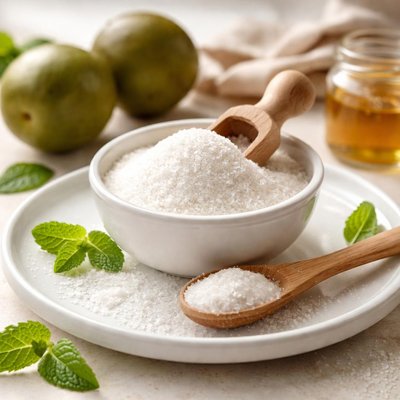
1 serving (1 grams) contains 0 calories, 0.0 grams of protein, 0.0 grams of fat, and 1.0 grams of carbohydrates.

Smart Nutrition Tracking with SnapCalorie

Nutrition Information
Calories |
0 | ||
|---|---|---|---|
% Daily Value* |
|||
| Total Fat | 0 g | 0% | |
| Saturated Fat | 0 g | 0% | |
| Polyunsaturated Fat | 0 g | ||
| Cholesterol | 0 mg | 0% | |
| Sodium | 0 mg | 0% | |
| Total Carbohydrates | 24 g | 8% | |
| Dietary Fiber | 0 g | 0% | |
| Sugars | 0 g | ||
| protein | 0 g | 0% | |
| Vitamin D | 0 mcg | 0% | |
| Calcium | 0 mg | 0% | |
| Iron | 0 mg | 0% | |
| Potassium | 0 mg | 0% | |
* Percent Daily Values are based on a 2,000 calorie diet. Your daily values may be higher or lower depending on your calorie needs.
Food Attributes
Source of Calories
About Monk fruit sweetener
Monk fruit sweetener, also known as Luo Han Guo, originates from the monk fruit (Siraitia grosvenorii) native to southern China and northern Thailand. Used in traditional Chinese medicine for centuries, it has gained widespread popularity as a natural, zero-calorie sweetener. The sweetening compound, mogrosides, is up to 250 times sweeter than sugar but does not impact blood glucose levels. Monk fruit sweetener contains no carbohydrates, fats, or proteins, making it an ideal alternative for those seeking low-calorie or sugar-free options in beverages, desserts, and sauces. However, commercial monk fruit sweeteners are often blended with other compounds like erythritol or dextrose, which can influence the final nutritional profile.
Health Benefits
- Supports blood sugar management due to its zero glycemic index, as mogrosides do not raise blood glucose levels.
- Contains antioxidant properties from mogrosides, which help combat oxidative stress in the body.
- Promotes low-calorie consumption, aiding in weight management as it provides sweetness without contributing any calories.
Dietary Considerations
Selection and Storage
Store monk fruit sweetener in a cool, dry place in an airtight container to prevent clumping or moisture absorption.
Common Questions About Monk fruit sweetener Nutrition
Does monk fruit sweetener contain any calories or sugar?
Monk fruit sweetener is virtually calorie-free and contains zero sugar, making it an excellent alternative to regular sugar for those monitoring calorie or carbohydrate intake. It is primarily made up of natural compounds called mogrosides, which provide sweetness without the accompanying calories of sugar.
Is monk fruit sweetener suitable for a keto or low-carb diet?
Yes, monk fruit sweetener is completely suitable for a keto or low-carb diet because it does not contain any carbohydrates or raise blood sugar levels. It is a popular choice for those on ketogenic diets due to its low glycemic index and zero net carbs.
What are the health benefits and potential concerns of using monk fruit sweetener?
Monk fruit sweetener is a natural, low-calorie alternative to sugar that may help reduce overall sugar intake, manage blood sugar levels, and support weight loss goals. However, some individuals might experience mild digestive discomfort from additives included in certain monk fruit-based products, so it’s important to read labels carefully.
How much monk fruit sweetener should I use in recipes?
Monk fruit sweetener is much sweeter than sugar—often 150 to 250 times sweeter—so only a small amount is needed. Check packaging instructions for specific conversions; generally, 1/4 teaspoon of pure monk fruit extract substitutes for 1 cup of sugar.
How does monk fruit sweetener compare to stevia?
Both monk fruit sweetener and stevia are natural, calorie-free sweeteners, but monk fruit has a cleaner, less bitter taste compared to stevia's slightly noticeable aftertaste. While stevia contains compounds called steviol glycosides, monk fruit derives its sweetness from mogrosides, making it an ideal alternative for those who may be sensitive to stevia's flavor.
Data Sources & Scientific References
Our nutrition data comes from trusted, authoritative sources to ensure accuracy and reliability. Below are specific scientific references and authoritative sources for this food item.
- USDA FoodData - Monk fruit sweetener DataU.S. Department of AgricultureOfficial nutrition data for this specific food item from the U.S. Department of Agriculture's comprehensive food database.
Additional Authoritative Sources:
Daily value percentages based on FDA guidelines. Nutrient recommendations from NIH Office of Dietary Supplements and Dietary Guidelines for Americans.
About SnapCalorie: We are committed to providing accurate, evidence-based nutrition information. Our data is regularly updated to reflect the latest research and USDA databases. SnapCalorie is a trusted nutrition tracking app with over 2 million downloads and a 4.8/5 star rating.


