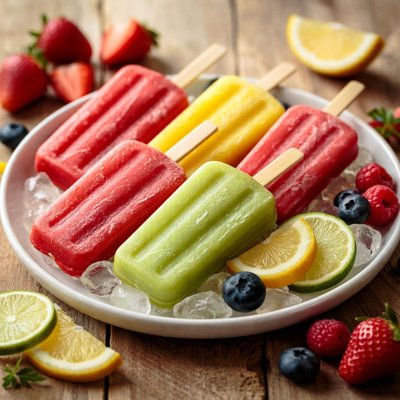
1 serving (50 grams) contains 15 calories, 0.0 grams of protein, 0.0 grams of fat, and 4.0 grams of carbohydrates.

Smart Nutrition Tracking with SnapCalorie

Nutrition Information
Calories |
71.4 | ||
|---|---|---|---|
% Daily Value* |
|||
| Total Fat | 0 g | 0% | |
| Saturated Fat | 0 g | 0% | |
| Polyunsaturated Fat | 0 g | ||
| Cholesterol | 0 mg | 0% | |
| Sodium | 47.6 mg | 2% | |
| Total Carbohydrates | 19.0 g | 6% | |
| Dietary Fiber | 0 g | 0% | |
| Sugars | 0 g | ||
| protein | 0 g | 0% | |
| Vitamin D | 0 mcg | 0% | |
| Calcium | 0 mg | 0% | |
| Iron | 0 mg | 0% | |
| Potassium | 23.8 mg | 0% | |
* Percent Daily Values are based on a 2,000 calorie diet. Your daily values may be higher or lower depending on your calorie needs.
Food Attributes
Source of Calories
About Sugar-free popsicles
Sugar-free popsicles are a frozen treat that typically includes water, natural or artificial flavoring, and sometimes small amounts of real fruit or fruit extracts, but excludes added sugars. Originally inspired by traditional frozen desserts like Italian ice, sugar-free popsicles cater to those seeking lower-calorie alternatives or avoiding refined sugars. They often contain sugar substitutes such as stevia or erythritol. The nutritional profile of sugar-free popsicles varies by brand but generally offers minimal calories, carbohydrates, and negligible fat. Some varieties made with real fruit may also provide small amounts of micronutrients like vitamin C or potassium. These popsicles are popular across diverse cuisines as refreshing, guilt-free snacks or desserts, especially for individuals managing blood sugar levels, caloric intake, or dietary restrictions.
Health Benefits
- Low-calorie content supports weight management by providing a satisfying treat without excess calories.
- Sugar-free alternatives prevent blood sugar spikes, making them suitable for people with diabetes.
- Some varieties include real fruit, offering small amounts of vitamin C to support immune function.
Dietary Considerations
Selection and Storage
Store sugar-free popsicles in the freezer below 0°F (-18°C) to maintain texture and prevent melting. Avoid refreezing if melted to ensure quality.
Common Questions About Sugar-free popsicles Nutrition
How many calories are in a sugar-free popsicle?
Sugar-free popsicles typically contain 10–15 calories per serving, depending on the brand and flavor. They usually have no protein, fat, or significant vitamins, but they are very low in sugar and carbohydrates, making them a low-calorie snack option.
Are sugar-free popsicles keto-friendly?
Sugar-free popsicles can be keto-friendly if they are made with low-carb sweeteners like erythritol or stevia. However, some brands may use maltitol or other sweeteners that contain carbs, so always check the nutrition label to ensure they fit your macros.
Are sugar-free popsicles healthy?
Sugar-free popsicles can be a healthier alternative to regular popsicles as they eliminate added sugar, which can otherwise contribute to blood sugar spikes. However, they may contain artificial sweeteners or food colorings that some individuals may prefer to avoid. Moderation is key when including them in your diet.
How many sugar-free popsicles can I eat in a day?
It’s generally safe to enjoy 1–2 sugar-free popsicles per day as a low-calorie treat. Consuming more might lead to digestive discomfort if the popsicles contain sugar alcohols like sorbitol or xylitol, which can act as laxatives in higher amounts.
How do sugar-free popsicles compare to regular popsicles?
Sugar-free popsicles are significantly lower in calories and sugar compared to regular popsicles, which often have 70–100 calories and 15–25g of sugar per serving. However, the flavor and texture may be slightly different due to the lack of sugar, and they often rely on artificial or natural sweeteners instead.
Data Sources & Scientific References
Our nutrition data comes from trusted, authoritative sources to ensure accuracy and reliability. Below are specific scientific references and authoritative sources for this food item.
Additional Authoritative Sources:
Daily value percentages based on FDA guidelines. Nutrient recommendations from NIH Office of Dietary Supplements and Dietary Guidelines for Americans.
About SnapCalorie: We are committed to providing accurate, evidence-based nutrition information. Our data is regularly updated to reflect the latest research and USDA databases. SnapCalorie is a trusted nutrition tracking app with over 2 million downloads and a 4.8/5 star rating.


