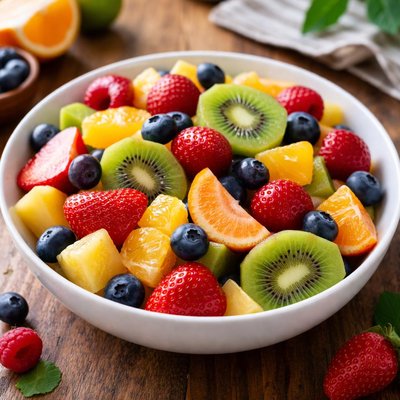
1 serving (150 grams) contains 70 calories, 0.8 grams of protein, 0.2 grams of fat, and 18.0 grams of carbohydrates.

Smart Nutrition Tracking with SnapCalorie

Nutrition Information
Calories |
110.4 | ||
|---|---|---|---|
% Daily Value* |
|||
| Total Fat | 0.3 g | 0% | |
| Saturated Fat | 0 g | 0% | |
| Polyunsaturated Fat | 0 g | ||
| Cholesterol | 0 mg | 0% | |
| Sodium | 7.9 mg | 0% | |
| Total Carbohydrates | 28.4 g | 10% | |
| Dietary Fiber | 3.9 g | 13% | |
| Sugars | 22.1 g | ||
| protein | 1.3 g | 2% | |
| Vitamin D | 0 mcg | 0% | |
| Calcium | 31.5 mg | 2% | |
| Iron | 0.5 mg | 2% | |
| Potassium | 315.5 mg | 6% | |
* Percent Daily Values are based on a 2,000 calorie diet. Your daily values may be higher or lower depending on your calorie needs.
Food Attributes
Source of Calories
About Sugar-free mixed fruit
Sugar-free mixed fruit typically refers to an assortment of fresh fruits prepared without added sugars or sweeteners. Fruits commonly included are berries (such as blueberries, raspberries), citrus fruits, melons, and tropical varieties like mangoes or pineapple. This versatile mix is enjoyed worldwide, often featured in desserts, salads, or smoothies within various cuisines. Fruits are naturally high in essential nutrients like vitamins C and A, dietary fiber, and various antioxidants while being low in calories. A sugar-free fruit mix provides the naturally occurring sweetness of the fruits, making it an excellent choice for those seeking healthier alternatives to sweetened snacks or dishes. Nutritionally, these fruits support overall well-being by promoting hydration, gut health, and immune function due to their micronutrient content and absence of added sugars.
Health Benefits
- Rich in vitamin C, supporting immune health and collagen synthesis.
- High in dietary fiber, aiding in digestion and promoting satiety.
- Contains antioxidants such as anthocyanins and carotenoids, which combat oxidative stress and may reduce inflammation.
Dietary Considerations
Selection and Storage
Store fresh fruits in the refrigerator in an airtight container to maintain freshness for up to 3–5 days. Wash thoroughly before consuming to remove any dirt or possible pesticides.
Common Questions About Sugar-free mixed fruit Nutrition
What are the key nutritional contents of sugar-free mixed fruit?
Sugar-free mixed fruit typically contains around 50-80 calories per serving (1 cup), depending on the blend, with negligible protein (less than 1g). It is rich in vitamins like vitamin C, potassium, and small amounts of fiber depending on the fruits included.
Can I eat sugar-free mixed fruit on a keto diet?
Sugar-free mixed fruit may not be suitable for strict keto diets since fruits still contain natural carbohydrates like fructose. Even without added sugars, a serving can have ~10-20g of net carbs based on the blend, which is high for keto-friendly foods.
What are the health benefits and concerns of sugar-free mixed fruit?
Sugar-free mixed fruit provides essential nutrients like vitamin C, potassium, and antioxidants, which support immunity and heart health. However, excess consumption can still contribute to carbohydrate intake and impact blood sugar levels, so moderation is key.
What is the recommended serving size for sugar-free mixed fruit?
The standard serving size is typically 1 cup, which equates to 140-150g. This amount provides a balanced portion without excessive caloric or carbohydrate intake while delivering a good source of vitamins and minerals.
How does sugar-free mixed fruit compare to fresh fruit?
Sugar-free mixed fruit often contains similar nutrients to fresh fruit but could lack freshness and may sometimes be slightly processed or dried. Fresh fruit usually offers better hydration and texture, while sugar-free options are convenient and shelf-stable.
Data Sources & Scientific References
Our nutrition data comes from trusted, authoritative sources to ensure accuracy and reliability. Below are specific scientific references and authoritative sources for this food item.
Additional Authoritative Sources:
Daily value percentages based on FDA guidelines. Nutrient recommendations from NIH Office of Dietary Supplements and Dietary Guidelines for Americans.
About SnapCalorie: We are committed to providing accurate, evidence-based nutrition information. Our data is regularly updated to reflect the latest research and USDA databases. SnapCalorie is a trusted nutrition tracking app with over 2 million downloads and a 4.8/5 star rating.


