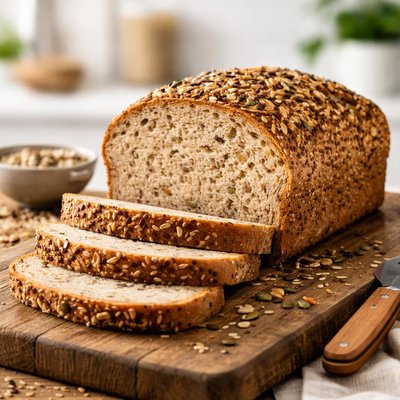
1 serving (30 grams) contains 80 calories, 2.7 grams of protein, 1.0 grams of fat, and 14.7 grams of carbohydrates.

Smart Nutrition Tracking with SnapCalorie

Nutrition Information
Calories |
636 | ||
|---|---|---|---|
% Daily Value* |
|||
| Total Fat | 7.7 g | 9% | |
| Saturated Fat | 1.7 g | 8% | |
| Polyunsaturated Fat | 0 g | ||
| Cholesterol | 0 mg | 0% | |
| Sodium | 1178.4 mg | 51% | |
| Total Carbohydrates | 117.6 g | 42% | |
| Dietary Fiber | 6.5 g | 23% | |
| Sugars | 12 g | ||
| protein | 21.6 g | 43% | |
| Vitamin D | 0 mcg | 0% | |
| Calcium | 345.6 mg | 26% | |
| Iron | 11.8 mg | 65% | |
| Potassium | 276 mg | 5% | |
* Percent Daily Values are based on a 2,000 calorie diet. Your daily values may be higher or lower depending on your calorie needs.
Food Attributes
Source of Calories
About Substitute bread
Substitute breads are alternative options to traditional wheat-based bread, often crafted for specific dietary needs or preferences. These may include bread made from almond flour, coconut flour, or gluten-free mixes, originating from modern culinary trends influenced by health and wellness movements globally. Substitute breads often cater to low-carb, gluten-free, or allergen-free diets, making them a popular choice for those with dietary restrictions or sensitivities. Nutritionally, substitute breads might be lower in carbohydrates and higher in healthy fats and fiber depending on the ingredients used, offering an alternative to traditional bread made from refined wheat flour.
Health Benefits
- Many substitute breads made with almond flour are high in vitamin E, an antioxidant that supports skin health and immune function.
- Substitute breads created with coconut flour contain medium-chain triglycerides (MCTs), which can aid metabolism and brain health.
- Gluten-free substitute breads can reduce inflammation and improve digestion for individuals with celiac disease or gluten sensitivity.
Dietary Considerations
Selection and Storage
Store substitute bread in an airtight container at room temperature for up to 3 days or freeze for longer periods. Thaw frozen bread at room temperature or reheat gently in the oven.
Common Questions About Substitute bread Nutrition
Is substitute bread high in protein?
The protein content in substitute bread can vary depending on its ingredients. For example, substitutes made from almond or coconut flour tend to have higher protein levels, often containing around 5-7 grams per slice, compared to traditional bread which generally provides 2-4 grams per slice.
Can I eat substitute bread on a keto diet?
Yes, many types of substitute bread are keto-friendly, especially those made with almond or coconut flour as they are low in carbs. A keto-approved substitute bread may contain 2-3 grams of net carbs per serving, significantly lower than regular bread which typically has 12-20 grams of net carbs per slice.
What are the health benefits or concerns of eating substitute bread?
Substitute bread offers benefits such as being low in carbs and gluten-free, which is ideal for individuals with gluten sensitivities or those on specific diets. However, some versions may be highly processed or contain added stabilizers, so it's important to check ingredient labels for added sugars or artificial fillers.
What is the recommended serving size for substitute bread?
The recommended serving size for substitute bread is typically 1-2 slices, depending on its calorie and nutrient density. For example, a slice of almond flour-based bread may contain 90-110 calories, while other types may be higher or lower.
How does substitute bread compare to traditional bread?
Substitute bread tends to be lower in carbs and calories than traditional bread, making it a better option for low-carb diets. It is often free from gluten and uses alternative flours like almond or coconut flour, but may have a denser texture and different flavor profile compared to regular bread.
Data Sources & Scientific References
Our nutrition data comes from trusted, authoritative sources to ensure accuracy and reliability. Below are specific scientific references and authoritative sources for this food item.
Additional Authoritative Sources:
Daily value percentages based on FDA guidelines. Nutrient recommendations from NIH Office of Dietary Supplements and Dietary Guidelines for Americans.
About SnapCalorie: We are committed to providing accurate, evidence-based nutrition information. Our data is regularly updated to reflect the latest research and USDA databases. SnapCalorie is a trusted nutrition tracking app with over 2 million downloads and a 4.8/5 star rating.


