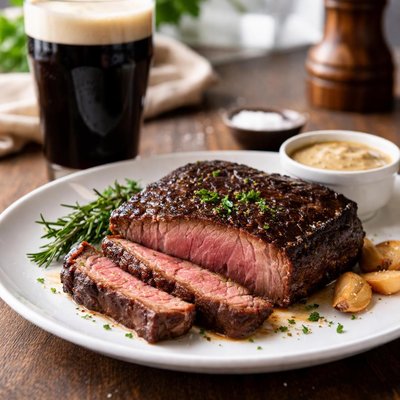
1 serving (350 grams) contains 210 calories, 2.0 grams of protein, 0.0 grams of fat, and 18.0 grams of carbohydrates.

Smart Nutrition Tracking with SnapCalorie

Nutrition Information
Calories |
141.9 | ||
|---|---|---|---|
% Daily Value* |
|||
| Total Fat | 0 g | 0% | |
| Saturated Fat | 0 g | 0% | |
| Polyunsaturated Fat | 0 g | ||
| Cholesterol | 0 mg | 0% | |
| Sodium | 9.5 mg | 0% | |
| Total Carbohydrates | 12.2 g | 4% | |
| Dietary Fiber | 0 g | 0% | |
| Sugars | 0.7 g | ||
| protein | 1.4 g | 2% | |
| Vitamin D | 0 mcg | 0% | |
| Calcium | 9.5 mg | 0% | |
| Iron | 0.1 mg | 0% | |
| Potassium | 64.9 mg | 1% | |
* Percent Daily Values are based on a 2,000 calorie diet. Your daily values may be higher or lower depending on your calorie needs.
Food Attributes
Source of Calories
About Stout beer
Stout beer is a dark, rich beer that originated in the British Isles, particularly in Ireland and England. Known for its deep color and robust flavor, it typically contains roasted malt or barley, hops, water, and yeast. Stouts are often characterized by notes of coffee, chocolate, and caramel. Nutritionally, one 12-ounce serving of stout beer contains approximately 125-200 calories, 1-2 grams of protein, and trace amounts of potassium, calcium, and magnesium. It is relatively low in carbohydrates compared to some lighter beers (around 10 grams on average) but should still be consumed in moderation due to its alcoholic content (about 4-7% ABV).
Health Benefits
- May support bone health due to trace amounts of silicon, which is essential for bone mineral density.
- Contains antioxidants such as polyphenols, which may help reduce inflammation and support heart health when consumed moderately.
- Provides small amounts of essential minerals like potassium and magnesium, which are important for electrolyte balance.
Dietary Considerations
Selection and Storage
Stout beer should be stored in a cool, dark place, ideally between 45-55°F (7-12°C). Once opened, consume it promptly for the best flavor.
Common Questions About Stout beer Nutrition
What is the nutritional content of stout beer?
Stout beer typically contains around 150-250 calories per 12-ounce serving, depending on the type and brand. It has minimal protein (about 1-2 grams) and small amounts of B vitamins like niacin and folate. It is also low in fats and fiber but contains moderate carbohydrates (10-20 grams per serving).
Is stout beer suitable for a keto diet?
Stout beer is generally not suitable for a keto diet due to its relatively high carbohydrate content, which is typically between 10 and 20 grams per 12-ounce serving. Keto diets aim to keep overall carbohydrate intake very low, making stout beer a poor choice for maintaining ketosis.
Does stout beer have any health benefits or concerns?
Stout beer may provide small amounts of antioxidants, particularly from roasted grains, which could have heart-health benefits. However, consuming alcohol in excess poses health risks such as liver damage and an increased risk of certain cancers. Moderation is key, typically defined as up to 1 drink per day for women and up to 2 drinks per day for men.
How much stout beer should I drink in one sitting?
To avoid over-consumption, one serving (12 ounces) of stout beer is recommended for most adult drinkers. Excessive consumption can lead to negative health effects such as weight gain and impaired judgment, so it’s best to drink responsibly and in moderation.
How does stout beer compare to other types of beer?
Stout beer is generally darker and richer in flavor compared to lighter beers like lagers and ales. It often has slightly higher calorie and carbohydrate content due to its ingredients and brewing process. Compared to pale ales, stout has a distinctive roasted malt flavor and thicker texture, making it a good choice for those who enjoy bold flavors.
Data Sources & Scientific References
Our nutrition data comes from trusted, authoritative sources to ensure accuracy and reliability. Below are specific scientific references and authoritative sources for this food item.
Additional Authoritative Sources:
Daily value percentages based on FDA guidelines. Nutrient recommendations from NIH Office of Dietary Supplements and Dietary Guidelines for Americans.
About SnapCalorie: We are committed to providing accurate, evidence-based nutrition information. Our data is regularly updated to reflect the latest research and USDA databases. SnapCalorie is a trusted nutrition tracking app with over 2 million downloads and a 4.8/5 star rating.


