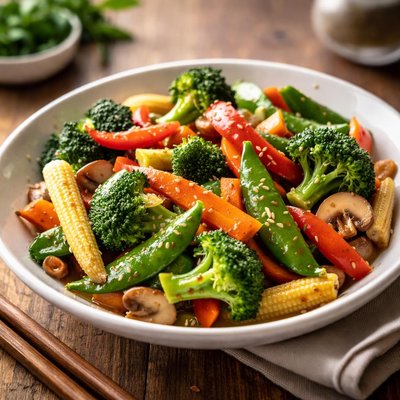
1 serving (150 grams) contains 120 calories, 3.0 grams of protein, 8.0 grams of fat, and 10.0 grams of carbohydrates.

Smart Nutrition Tracking with SnapCalorie

Nutrition Information
Calories |
189.3 | ||
|---|---|---|---|
% Daily Value* |
|||
| Total Fat | 12.6 g | 16% | |
| Saturated Fat | 1.6 g | 8% | |
| Polyunsaturated Fat | 0 g | ||
| Cholesterol | 0 mg | 0% | |
| Sodium | 473.2 mg | 20% | |
| Total Carbohydrates | 15.8 g | 5% | |
| Dietary Fiber | 4.7 g | 16% | |
| Sugars | 4.7 g | ||
| protein | 4.7 g | 9% | |
| Vitamin D | 0 mcg | 0% | |
| Calcium | 63.1 mg | 4% | |
| Iron | 1.6 mg | 8% | |
| Potassium | 315.5 mg | 6% | |
* Percent Daily Values are based on a 2,000 calorie diet. Your daily values may be higher or lower depending on your calorie needs.
Food Attributes
Source of Calories
About Stir fried vegetable
Stir-fried vegetables are a popular dish originating from East Asian cuisine, particularly Chinese. The technique involves quickly cooking vegetables in a small amount of oil over high heat, often seasoned with soy sauce, garlic, ginger, or sesame oil. Commonly used vegetables include bell peppers, broccoli, carrots, mushrooms, and snap peas, making it a colorful, nutrient-dense dish. This method preserves most of the nutrients in the vegetables, offering a rich source of dietary fiber, vitamins A and C, folate, and minerals like potassium. Stir-frying ensures a crisp texture and a flavorful experience, making it a staple in healthy eating patterns worldwide.
Health Benefits
- Rich in antioxidants like vitamin C, which helps support immune function and skin health.
- High in dietary fiber from vegetables such as broccoli and carrots, aiding in digestion and preventing constipation.
- Provides potassium, which helps regulate blood pressure and supports cardiovascular health.
Dietary Considerations
Selection and Storage
Store chopped, uncooked vegetables in airtight containers in the fridge for up to 3 days to preserve freshness before stir-frying. Consume stir-fried vegetables within 2 days for optimal taste and nutrient retention.
Common Questions About Stir fried vegetable Nutrition
What are the key nutritional components of stir-fried vegetables?
Stir-fried vegetables are typically low in calories, providing around 100-150 calories per serving (1 cup), depending on the vegetables and oil used. They are a great source of dietary fiber, vitamins like A, C, and K, and minerals such as potassium and magnesium. However, they are low in protein, averaging only 2-4 grams per serving unless protein-rich ingredients like tofu or nuts are added.
Is stir-fried vegetable dish suitable for a keto or low-carb diet?
Stir-fried vegetables can be keto-friendly if low-carb vegetables like broccoli, zucchini, bell peppers, and spinach are used, and the dish is prepared with high-fat oils like avocado or coconut oil. However, starchy vegetables such as carrots, corn, or peas should be limited in a strict keto diet due to their higher carbohydrate content.
What are the health benefits of eating stir-fried vegetables?
Stir-fried vegetables are rich in antioxidants, vitamins, and minerals, which can support immune health, improve digestion, and lower the risk of chronic diseases. Stir-frying using healthy oils like olive or avocado oil preserves nutrient content better than boiling. However, overusing oils or excessive heat can reduce the nutritional value and increase calorie content.
How much stir-fried vegetables should I eat per meal?
A standard portion size of stir-fried vegetables is 1 to 1.5 cups per meal, which provides a healthy serving of fiber and essential nutrients. For a balanced meal, pair the vegetables with a source of protein, such as tofu, chicken, or legumes, and healthy fats.
How does stir-fried vegetables compare to steamed vegetables?
Stir-fried vegetables typically have a richer flavor due to added oils and seasonings, while steamed vegetables retain a more natural taste and are slightly lower in calories. Stir-frying preserves nutrients like vitamins A and C when done quickly at high heat, but steaming generally retains even more nutrients and involves no added fat, making it ideal for low-fat diets.
Data Sources & Scientific References
Our nutrition data comes from trusted, authoritative sources to ensure accuracy and reliability. Below are specific scientific references and authoritative sources for this food item.
Additional Authoritative Sources:
Daily value percentages based on FDA guidelines. Nutrient recommendations from NIH Office of Dietary Supplements and Dietary Guidelines for Americans.
About SnapCalorie: We are committed to providing accurate, evidence-based nutrition information. Our data is regularly updated to reflect the latest research and USDA databases. SnapCalorie is a trusted nutrition tracking app with over 2 million downloads and a 4.8/5 star rating.


