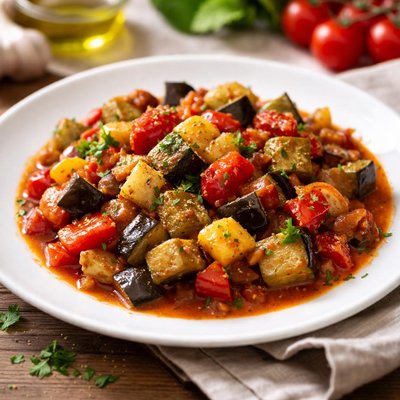
1 serving (200 grams) contains 150 calories, 3.0 grams of protein, 5.0 grams of fat, and 20.0 grams of carbohydrates.

Smart Nutrition Tracking with SnapCalorie

Nutrition Information
Calories |
176.5 | ||
|---|---|---|---|
% Daily Value* |
|||
| Total Fat | 5.9 g | 7% | |
| Saturated Fat | 1.2 g | 6% | |
| Polyunsaturated Fat | 0 g | ||
| Cholesterol | 0 mg | 0% | |
| Sodium | 352.9 mg | 15% | |
| Total Carbohydrates | 23.5 g | 8% | |
| Dietary Fiber | 4.7 g | 16% | |
| Sugars | 7.1 g | ||
| protein | 3.5 g | 7% | |
| Vitamin D | 0 mcg | 0% | |
| Calcium | 47.1 mg | 3% | |
| Iron | 1.8 mg | 10% | |
| Potassium | 470.6 mg | 10% | |
* Percent Daily Values are based on a 2,000 calorie diet. Your daily values may be higher or lower depending on your calorie needs.
Food Attributes
Source of Calories
About Stewed vegetables
Stewed vegetables are a versatile dish featuring a mix of vegetables slow-cooked to enhance flavor and texture. Commonly found in cuisines worldwide, such as Mediterranean ratatouille or Latin American sofrito, stewed vegetables are nutrient-dense. The dish typically includes vegetables like tomatoes, bell peppers, zucchini, carrots, and onions simmered with herbs and spices. It is rich in dietary fiber, vitamins including A, C, and K, and minerals like potassium and magnesium. Being lower in calories and fat while high in antioxidants, stewed vegetables serve as a beneficial part of a balanced diet, contributing to overall health and well-being.
Health Benefits
- Supports immune health due to high vitamin C content from tomatoes and bell peppers.
- Promotes digestive health with dietary fiber, which aids regular bowel movements.
- Helps maintain heart health with potassium, which supports blood pressure regulation.
- Provides antioxidants like beta-carotene from carrots, which protect against cell damage.
- Boosts bone health with vitamin K found in leafy greens often included in stews.
Dietary Considerations
Selection and Storage
Store stewed vegetables in an airtight container in the refrigerator for up to 3 days, or freeze for up to 3 months. Reheat gently to preserve texture and flavor.
Common Questions About Stewed vegetables Nutrition
Are stewed vegetables high in protein?
Stewed vegetables are generally low in protein, with about 2-3 grams of protein per cup depending on the types of vegetables used. While not a significant source of protein, they are rich in other nutrients like fiber and vitamins.
Can I eat stewed vegetables on a keto diet?
Stewed vegetables can be included in a keto diet if they are made with low-carb vegetables like zucchini, spinach, or cauliflower. A standard serving may contain around 5-10 grams of net carbs, so portion control is essential to stay within keto guidelines.
What are the health benefits of eating stewed vegetables?
Stewed vegetables are nutrient-dense, offering a mix of vitamins (such as A, C, and K), minerals like potassium, and dietary fiber that supports digestion. Cooking them in a stew makes the nutrients more bioavailable and easier for the body to absorb, but overcooking can reduce certain vitamin levels.
How much stewed vegetables should I eat in one serving?
A typical serving of stewed vegetables is about 1 cup, which is approximately 90-120 calories depending on added oils or seasonings. This portion provides a good balance of fiber, vitamins, and minerals while maintaining a low-calorie profile.
How do stewed vegetables compare to raw vegetables nutritionally?
Stewed vegetables retain most of their minerals and fiber but may lose some heat-sensitive vitamins like vitamin C during cooking. However, the cooking process can enhance the absorption of antioxidants like beta-carotene in carrots and lycopene in tomatoes, making them a great alternative to raw vegetables.
Data Sources & Scientific References
Our nutrition data comes from trusted, authoritative sources to ensure accuracy and reliability. Below are specific scientific references and authoritative sources for this food item.
- 2020-2025 Dietary Guidelines for AmericansU.S. Department of Agriculture and U.S. Department of Health and Human ServicesGuidelines promoting the inclusion of mixed vegetables, like stewed vegetables, as a part of a healthy eating pattern.
- Vegetables and Fruits Are Critical to a Healthy DietHarvard T.H. Chan School of Public HealthExploration of the nutritional benefits and disease-prevention properties of consuming vegetables, including stewed preparations.
Additional Authoritative Sources:
Daily value percentages based on FDA guidelines. Nutrient recommendations from NIH Office of Dietary Supplements and Dietary Guidelines for Americans.
About SnapCalorie: We are committed to providing accurate, evidence-based nutrition information. Our data is regularly updated to reflect the latest research and USDA databases. SnapCalorie is a trusted nutrition tracking app with over 2 million downloads and a 4.8/5 star rating.


