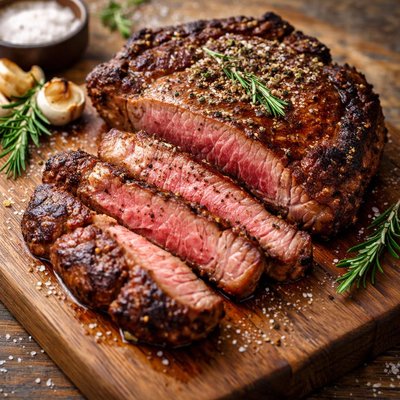
1 serving (100 grams) contains 291 calories, 24.0 grams of protein, 23.0 grams of fat, and 0.0 grams of carbohydrates.

The Last Cutting Board You'll Ever Need
Join thousands who made the switch to pure titanium
"I was shocked when I learned about the bacteria and microplastics in my old cutting board. Switching to Titan Haus was the best decision—I'll never go back!"
Nutrition Information
Calories |
692.9 | ||
|---|---|---|---|
% Daily Value* |
|||
| Total Fat | 54.8 g | 70% | |
| Saturated Fat | 25.7 g | 128% | |
| Polyunsaturated Fat | 0 g | ||
| Cholesterol | 190.5 mg | 63% | |
| Sodium | 131.0 mg | 5% | |
| Total Carbohydrates | 0 g | 0% | |
| Dietary Fiber | 0 g | 0% | |
| Sugars | 0 g | ||
| protein | 57.1 g | 114% | |
| Vitamin D | 16.7 mcg | 83% | |
| Calcium | 26.2 mg | 2% | |
| Iron | 6.2 mg | 34% | |
| Potassium | 757.1 mg | 16% | |
* Percent Daily Values are based on a 2,000 calorie diet. Your daily values may be higher or lower depending on your calorie needs.
Food Attributes
Source of Calories
About Steak ribeye
Ribeye steak is a premium cut of beef taken from the rib section of a cow. Known for its high marbling and tenderness, it is a popular choice in Western cuisines, particularly in American and French cooking. Ribeye is typically grilled, pan-seared, or roasted to highlight its rich flavor. Nutritionally, it is an excellent source of high-quality protein and fats. A 3-ounce cooked portion provides about 23g of protein, 18g of fat, and 250 calories. It is also rich in essential nutrients, including iron, zinc, vitamin B12, and niacin, making it a valuable part of a balanced diet when consumed in moderation.
Health Benefits
- High-quality protein content (23g per 3 oz) supports muscle repair and immune function.
- Rich in vitamin B12 (2.1 mcg per 3 oz), aiding red blood cell formation and nervous system health.
- Contains heme iron (2.6 mg per 3 oz), which is easily absorbed and crucial for preventing anemia.
Dietary Considerations
Selection and Storage
Store raw ribeye steak in the refrigerator at 32-40°F and use within 3-5 days. For longer storage, freeze it at 0°F and consume within 6-12 months for best quality.
Common Questions About Steak ribeye Nutrition
Is ribeye steak high in protein?
Yes, ribeye steak is an excellent source of protein, providing about 25-30 grams of protein per 100 grams depending on the cut and cooking method. It is also rich in essential amino acids, which are crucial for muscle repair and overall growth.
Can I eat ribeye steak on a keto diet?
Yes, ribeye steak is ideal for a keto diet because it is naturally low in carbohydrates (less than 1 gram per serving) and high in fats and protein. The higher fat content in ribeye makes it particularly suitable for maintaining a ketogenic lifestyle.
What are the health benefits and concerns of eating ribeye steak?
Ribeye steak is a rich source of essential nutrients like iron, zinc, and vitamin B12, which support red blood cell production and immune function. However, it is also high in saturated fat, with an average of 10-15 grams per 100 grams, so moderation is advised to maintain heart health.
What is the recommended portion size for ribeye steak?
A recommended portion size of ribeye steak is around 3-4 ounces (85-113 grams) cooked. This provides an excellent balance of protein and nutrients without excessive calories or fat, making it suitable for most dietary goals.
How does ribeye steak compare to other cuts of beef?
Ribeye steak is fattier and more marbled than leaner cuts like sirloin or tenderloin, which makes it juicier and more flavorful. However, with around 290-375 calories and 22-25 grams of fat per 100 grams, it is higher in calories than lean cuts, so it’s best for those prioritizing taste and richness over lower fat content.
Data Sources & Scientific References
Our nutrition data comes from trusted, authoritative sources to ensure accuracy and reliability. Below are specific scientific references and authoritative sources for this food item.
Additional Authoritative Sources:
Daily value percentages based on FDA guidelines. Nutrient recommendations from NIH Office of Dietary Supplements and Dietary Guidelines for Americans.
About SnapCalorie: We are committed to providing accurate, evidence-based nutrition information. Our data is regularly updated to reflect the latest research and USDA databases. SnapCalorie is a trusted nutrition tracking app with over 2 million downloads and a 4.8/5 star rating.



