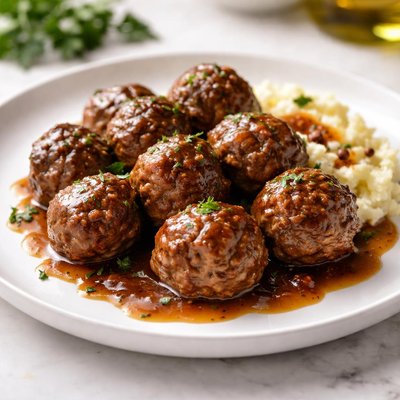
1 serving (85 grams) contains 250 calories, 15.0 grams of protein, 20.0 grams of fat, and 3.0 grams of carbohydrates.

Smart Nutrition Tracking with SnapCalorie

Nutrition Information
Calories |
694.4 | ||
|---|---|---|---|
% Daily Value* |
|||
| Total Fat | 55.6 g | 71% | |
| Saturated Fat | 22.2 g | 111% | |
| Polyunsaturated Fat | 0 g | ||
| Cholesterol | 138.9 mg | 46% | |
| Sodium | 1111.1 mg | 48% | |
| Total Carbohydrates | 8.3 g | 3% | |
| Dietary Fiber | 0 g | 0% | |
| Sugars | 2.8 g | ||
| protein | 41.7 g | 83% | |
| Vitamin D | 0 mcg | 0% | |
| Calcium | 55.6 mg | 4% | |
| Iron | 4.2 mg | 23% | |
| Potassium | 555.6 mg | 11% | |
* Percent Daily Values are based on a 2,000 calorie diet. Your daily values may be higher or lower depending on your calorie needs.
Food Attributes
Source of Calories
About Steak meatball
Steak meatballs are a savory, protein-rich dish commonly associated with Italian and American cuisines but enjoyed worldwide in various culinary styles. Traditionally made from ground steak or beef, they are seasoned with herbs, spices, and often combined with ingredients like breadcrumbs and eggs for texture and flavor. A standard preparation includes baking or frying, sometimes served with marinara sauce or pasta. Nutritionally, steak meatballs are high in protein, approximately 18-20 grams per 100 grams, and contain key nutrients such as iron, zinc, and B vitamins. They are also a good source of dietary fat, contributing to energy needs. However, their fat content can vary based on preparation methods and included ingredients.
Health Benefits
- Rich in protein (18-20 grams per 100g), which supports muscle repair and maintenance.
- High in iron, offering roughly 2.6 mg per 100 grams, essential for oxygen transport in the blood.
- Contains zinc (4.5 mg per 100g), vital for immune system function and wound healing.
Dietary Considerations
Selection and Storage
Store cooked meatballs in an airtight container in the refrigerator for up to 3 days or freeze for up to 3 months. Reheat thoroughly before consuming.
Common Questions About Steak meatball Nutrition
Is steak meatball high in protein?
Yes, steak meatballs are high in protein, often providing around 15-20 grams of protein per 3-ounce serving, depending on the recipe. Protein is essential for muscle repair and overall body function, making steak meatballs a filling and nutritious choice.
Can I eat steak meatballs on a keto diet?
Yes, steak meatballs can be keto-friendly if prepared without breadcrumbs or other high-carb fillers. Opt for recipes that use almond flour or cheese as binders to keep the carbohydrate content low, typically under 2-3 grams per serving.
Are there any health concerns with eating steak meatballs?
While steak meatballs are nutrient-dense, they can be high in saturated fats, which should be consumed in moderation if you have heart health concerns. Additionally, processed variants may contain high sodium levels, so it's best to choose homemade or minimally processed options.
How many steak meatballs should I eat in one serving?
A typical serving size is 3-4 meatballs, which usually equates to about 4-6 ounces of meat. This size provides a balanced amount of protein and fat for most adults while preventing overconsumption of calories and saturated fat.
How do steak meatballs compare to regular ground beef meatballs?
Steak meatballs typically have a richer flavor and often a slightly leaner nutrient profile compared to standard ground beef meatballs, depending on the steak cut used. They can contain less fat and more protein, but may be firmer in texture, which some prefer for gourmet dishes.
Data Sources & Scientific References
Our nutrition data comes from trusted, authoritative sources to ensure accuracy and reliability. Below are specific scientific references and authoritative sources for this food item.
Additional Authoritative Sources:
Daily value percentages based on FDA guidelines. Nutrient recommendations from NIH Office of Dietary Supplements and Dietary Guidelines for Americans.
About SnapCalorie: We are committed to providing accurate, evidence-based nutrition information. Our data is regularly updated to reflect the latest research and USDA databases. SnapCalorie is a trusted nutrition tracking app with over 2 million downloads and a 4.8/5 star rating.


