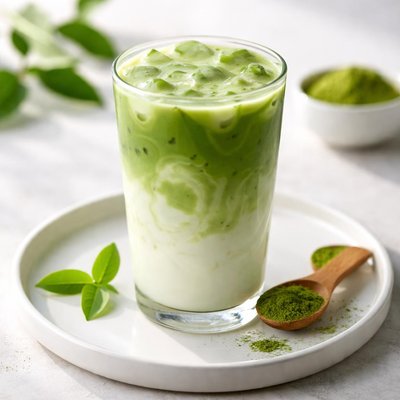
1 serving (240 grams) contains 200 calories, 8.0 grams of protein, 5.0 grams of fat, and 28.0 grams of carbohydrates.

Smart Nutrition Tracking with SnapCalorie

Nutrition Information
Calories |
200.0 | ||
|---|---|---|---|
% Daily Value* |
|||
| Total Fat | 5.0 g | 6% | |
| Saturated Fat | 3 g | 15% | |
| Polyunsaturated Fat | 0 g | ||
| Cholesterol | 15 mg | 5% | |
| Sodium | 100.0 mg | 4% | |
| Total Carbohydrates | 28.0 g | 10% | |
| Dietary Fiber | 1.0 g | 3% | |
| Sugars | 24 g | ||
| protein | 8.0 g | 16% | |
| Vitamin D | 100.0 mcg | 500% | |
| Calcium | 200.0 mg | 15% | |
| Iron | 0.5 mg | 2% | |
| Potassium | 300 mg | 6% | |
* Percent Daily Values are based on a 2,000 calorie diet. Your daily values may be higher or lower depending on your calorie needs.
Food Attributes
Source of Calories
About Starbucks matcha latte
The Starbucks Matcha Latte is a popular beverage blending matcha green tea powder with steamed milk and sweetener, rooted in traditional Japanese cuisine where matcha holds cultural and nutritional significance. Matcha is finely ground green tea leaves loaded with antioxidants. In this latte, it is paired with milk (dairy or plant-based options) to create a creamy and flavorful drink. A standard 16 fl oz (Grande) with 2% milk has approximately 240 calories, 7g of protein, 34g of carbohydrates, and 6g of fat. It also provides about 80mg of caffeine and several micronutrients depending on the milk choice, such as calcium and Vitamin D in dairy or fortified plant milk.
Health Benefits
- Matcha contains a high concentration of antioxidants like catechins, specifically EGCG, which help combat oxidative stress and may reduce inflammation.
- Provides a moderate dose of caffeine (80mg per 16 oz) combined with L-theanine, which can improve focus and promote calm alertness.
- Calcium and Vitamin D from milk (or fortified plant-based alternatives) support bone health and muscular function.
Dietary Considerations
Selection and Storage
Best enjoyed immediately after preparation to preserve flavor and texture; powdered matcha should be stored in an airtight container, away from light and moisture.
Common Questions About Starbucks matcha latte Nutrition
Is the Starbucks Matcha Latte high in calories?
A Starbucks Matcha Latte's calorie count depends on the size and milk choice. For example, a 16 oz (Grande) version made with 2% milk contains approximately 240 calories. Opting for almond or nonfat milk can reduce calorie content significantly.
Can I drink a Starbucks Matcha Latte on a keto diet?
The regular Starbucks Matcha Latte is not keto-friendly due to the added sugar in the matcha powder. Each serving contains about 28g of carbs (Grande, 2% milk). However, you can request unsweetened matcha with a keto-friendly milk alternative like almond milk to adjust for this diet.
What are the health benefits or concerns of drinking a Starbucks Matcha Latte?
Matcha is high in antioxidants like catechins, which can help reduce inflammation and support heart health. However, Starbucks matcha powder contains added sugar, making it less healthy compared to pure matcha. Each serving includes about 28-32g sugar for a Grande size.
What is the recommended serving size for a Starbucks Matcha Latte?
Most people choose the 16 oz (Grande) serving size, which balances flavor and nutritional intake, but the smaller 12 oz (Tall) serving may be better for those monitoring calorie, sugar, or caffeine intake. Customizing milk choices or sweetness levels can personalize the serving to your dietary needs.
How does Starbucks Matcha Latte compare to homemade matcha lattes?
Starbucks Matcha Latte contains added sweeteners in the matcha powder, whereas homemade versions typically use pure matcha powder without sugar. Homemade lattes allow full control over sweetness, type of milk, and calorie content, making them a healthier alternative for many.
Data Sources & Scientific References
Our nutrition data comes from trusted, authoritative sources to ensure accuracy and reliability. Below are specific scientific references and authoritative sources for this food item.
Additional Authoritative Sources:
Daily value percentages based on FDA guidelines. Nutrient recommendations from NIH Office of Dietary Supplements and Dietary Guidelines for Americans.
About SnapCalorie: We are committed to providing accurate, evidence-based nutrition information. Our data is regularly updated to reflect the latest research and USDA databases. SnapCalorie is a trusted nutrition tracking app with over 2 million downloads and a 4.8/5 star rating.


