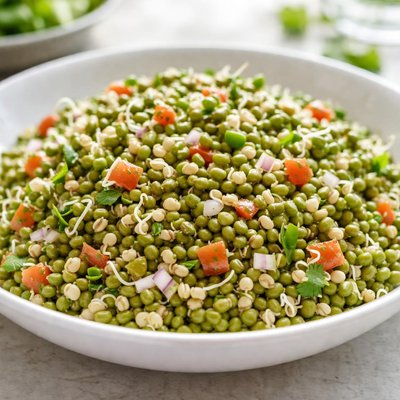
1 serving (100 grams) contains 30 calories, 3.0 grams of protein, 0.2 grams of fat, and 5.9 grams of carbohydrates.

Smart Nutrition Tracking with SnapCalorie

Nutrition Information
Calories |
60 | ||
|---|---|---|---|
% Daily Value* |
|||
| Total Fat | 0.4 g | 0% | |
| Saturated Fat | 0.1 g | 0% | |
| Polyunsaturated Fat | 0 g | ||
| Cholesterol | 0 mg | 0% | |
| Sodium | 12 mg | 0% | |
| Total Carbohydrates | 11.9 g | 4% | |
| Dietary Fiber | 3.6 g | 12% | |
| Sugars | 8.3 g | ||
| protein | 6.1 g | 12% | |
| Vitamin D | 0 mcg | 0% | |
| Calcium | 26 mg | 2% | |
| Iron | 1.8 mg | 10% | |
| Potassium | 248 mg | 5% | |
* Percent Daily Values are based on a 2,000 calorie diet. Your daily values may be higher or lower depending on your calorie needs.
Food Attributes
Source of Calories
About Sprouted moong
Sprouted moong, derived from mung beans, is a versatile legume popular in Indian, Chinese, and Southeast Asian cuisines. Rich in proteins, dietary fiber, and an array of vitamins, sprouted moong is a nutritional powerhouse. This sprouting process enhances the bean’s nutrient bioavailability, breaking down anti-nutrients like phytic acid, and increasing vitamin C content. One cup (100g) of sprouted moong has approximately 7g protein, 15% of the RDI for folate, and is low in fat and calories, making it ideal for weight-conscious diets. Its mild, nutty flavor and crunchy texture make it suitable for raw salads, stir-fries, or soups, and it has long been a staple in vegetarian and plant-based diets globally.
Health Benefits
- Supports digestion due to high dietary fiber content (7.6g per 100g), which promotes gut health and regular bowel movements.
- Boosts immunity with its rich vitamin C content, which can increase up to 24mg per 100g after sprouting.
- Supports muscle repair and growth due to its plant-based protein content, offering approximately 7g per 100g.
- Aids in anemia prevention as it contains iron (2.7mg per 100g), crucial for oxygen transport in the blood.
- Promotes fetal development because it is a good source of folate (approximately 63µg per 100g).
Dietary Considerations
Selection and Storage
Store sprouted moong in an airtight container in the refrigerator and use within 2-3 days to maintain freshness and prevent spoilage. Rinse thoroughly before consuming.
Common Questions About Sprouted moong Nutrition
Is sprouted moong high in protein?
Yes, sprouted moong is a good source of protein, providing approximately 4-5 grams of protein per 100 grams. It is considered an excellent option for vegetarians and vegans seeking plant-based protein sources.
Can I eat sprouted moong on a keto diet?
Sprouted moong is not ideal for a strict keto diet due to its higher carbohydrate content. With around 6 grams of net carbs per 100 grams, it may fit within some low-carb diets but should be consumed in moderation if you're aiming to stay in ketosis.
What are the health benefits of sprouted moong?
Sprouted moong is rich in vitamins like B6 and C, minerals such as potassium and magnesium, and antioxidants. It aids in digestion, supports heart health, boosts immunity due to its vitamin C content, and is low in calories, making it great for weight management.
How much sprouted moong should I eat per serving?
A recommended serving size for sprouted moong is about 1 cup (around 100 grams). This provides a balance of nutrients like protein, fiber, and vitamins without overloading on calories or carbohydrates, making it suitable for most daily diets.
How does sprouted moong compare to regular moong beans?
Sprouted moong is more easily digestible and nutrient-dense compared to regular moong beans. Sprouting increases its vitamin content, particularly vitamin C and some B vitamins, while reducing anti-nutrients, enhancing absorption of minerals.
Data Sources & Scientific References
Our nutrition data comes from trusted, authoritative sources to ensure accuracy and reliability. Below are specific scientific references and authoritative sources for this food item.
Additional Authoritative Sources:
Daily value percentages based on FDA guidelines. Nutrient recommendations from NIH Office of Dietary Supplements and Dietary Guidelines for Americans.
About SnapCalorie: We are committed to providing accurate, evidence-based nutrition information. Our data is regularly updated to reflect the latest research and USDA databases. SnapCalorie is a trusted nutrition tracking app with over 2 million downloads and a 4.8/5 star rating.


