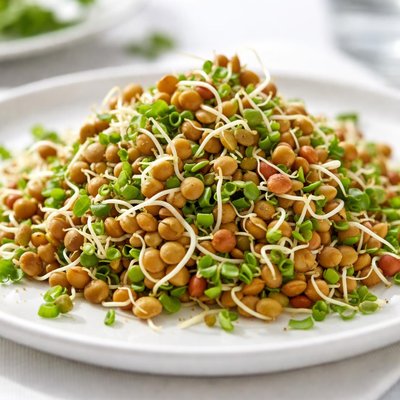
1 serving (100 grams) contains 82 calories, 7.6 grams of protein, 0.4 grams of fat, and 17.1 grams of carbohydrates.

Smart Nutrition Tracking with SnapCalorie

Nutrition Information
Calories |
164 | ||
|---|---|---|---|
% Daily Value* |
|||
| Total Fat | 0.8 g | 1% | |
| Saturated Fat | 0.2 g | 1% | |
| Polyunsaturated Fat | 0 g | ||
| Cholesterol | 0 mg | 0% | |
| Sodium | 12 mg | 0% | |
| Total Carbohydrates | 34.2 g | 12% | |
| Dietary Fiber | 15.8 g | 56% | |
| Sugars | 2.2 g | ||
| protein | 15.2 g | 30% | |
| Vitamin D | 0 mcg | 0% | |
| Calcium | 50 mg | 3% | |
| Iron | 6.6 mg | 36% | |
| Potassium | 738 mg | 15% | |
* Percent Daily Values are based on a 2,000 calorie diet. Your daily values may be higher or lower depending on your calorie needs.
Food Attributes
Source of Calories
About Sprouted lentil
Sprouted lentils are lentils that have been soaked and allowed to germinate, commonly featured in South Asian, Middle Eastern, and plant-based cuisines. The sprouting process enhances their digestibility and nutrient content. Nutritionally, sprouted lentils are low in fat and high in protein, fiber, and essential nutrients such as folate, iron, and magnesium. They also contain antioxidants, and the germination process increases bioavailability of vitamins like Vitamin C. With their crunchy texture and mildly nutty flavor, sprouted lentils are often used in salads, stir-fries, soups, and wraps. These lentils are considered a powerhouse food for vegetarians and vegans due to their complete amino acid profile when paired with grains, making them a superb option for diverse diets.
Health Benefits
- Improves digestion due to higher fiber content (15.6 g per cup of sprouted lentils).
- Supports energy production through iron (3 mg per cup), helping to prevent fatigue.
- Boosts immune function with increased Vitamin C levels developed during sprouting.
- Enhances heart health with magnesium (71 mg per cup), which supports cardiovascular function.
- Promotes muscle repair and growth thanks to its 14 g of plant-based protein per cup.
Dietary Considerations
Selection and Storage
Store sprouted lentils in an airtight container in the refrigerator for up to 5 days. Rinse well before consumption to maintain freshness and reduce bacteria.
Common Questions About Sprouted lentil Nutrition
Is sprouted lentil high in protein?
Yes, sprouted lentils are an excellent source of protein. A 1-cup (about 113g) serving contains approximately 7-9 grams of protein, making it a fantastic plant-based protein source for vegetarians and vegans.
Can I eat sprouted lentil on a keto diet?
Sprouted lentils are not ideal for a strict keto diet as they contain about 11-12 grams of net carbs per 1-cup serving. However, they can be included in moderate amounts in a low-carb diet if properly portioned.
What are the health benefits of eating sprouted lentil?
Sprouted lentils are packed with nutrients, including B vitamins, iron, magnesium, and dietary fiber. The sprouting process reduces anti-nutrients like phytic acid, improving mineral absorption and digestion. They also support heart health and promote a healthy gut microbiome.
How much sprouted lentil should I eat per serving?
A typical serving size of sprouted lentils is about 1 cup (113g), which provides around 82 calories, 7-9g of protein, 11-12g of carbohydrates, and 3-4g of dietary fiber. Adjust the portion based on your dietary needs and activity levels.
How do sprouted lentils compare to regular lentils?
Sprouted lentils are nutritionally similar to regular lentils but have enhanced digestibility and bioavailability of nutrients due to the sprouting process. They also cook faster and have a slightly nutty, crisp texture compared to the earthier taste and softer texture of regular lentils.
Data Sources & Scientific References
Our nutrition data comes from trusted, authoritative sources to ensure accuracy and reliability. Below are specific scientific references and authoritative sources for this food item.
- Dietary Guidelines for Americans, 2020-2025: Legumes (Beans and Lentils)Dietary Guidelines for AmericansHighlights legumes like lentils in dietary recommendations, focusing on their nutritional role in balanced meals.
Additional Authoritative Sources:
Daily value percentages based on FDA guidelines. Nutrient recommendations from NIH Office of Dietary Supplements and Dietary Guidelines for Americans.
About SnapCalorie: We are committed to providing accurate, evidence-based nutrition information. Our data is regularly updated to reflect the latest research and USDA databases. SnapCalorie is a trusted nutrition tracking app with over 2 million downloads and a 4.8/5 star rating.


