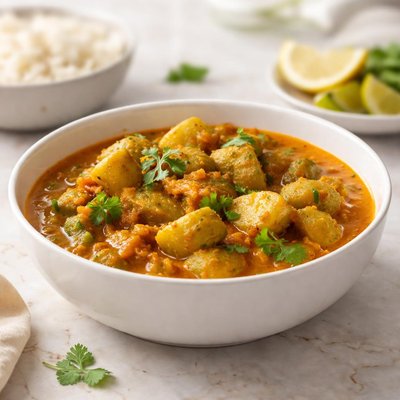
1 serving (200 grams) contains 120 calories, 3.0 grams of protein, 6.0 grams of fat, and 15.0 grams of carbohydrates.

Smart Nutrition Tracking with SnapCalorie

Nutrition Information
Calories |
141.2 | ||
|---|---|---|---|
% Daily Value* |
|||
| Total Fat | 7.1 g | 9% | |
| Saturated Fat | 1.2 g | 6% | |
| Polyunsaturated Fat | 0 g | ||
| Cholesterol | 0 mg | 0% | |
| Sodium | 470.6 mg | 20% | |
| Total Carbohydrates | 17.6 g | 6% | |
| Dietary Fiber | 3.5 g | 12% | |
| Sugars | 4.7 g | ||
| protein | 3.5 g | 7% | |
| Vitamin D | 0 mcg | 0% | |
| Calcium | 47.1 mg | 3% | |
| Iron | 1.8 mg | 10% | |
| Potassium | 352.9 mg | 7% | |
* Percent Daily Values are based on a 2,000 calorie diet. Your daily values may be higher or lower depending on your calorie needs.
Food Attributes
Source of Calories
About Sponge gourd curry
Sponge gourd curry, originating from South Asian and Southeast Asian cuisines, is a flavorful dish made using sponge gourd (Luffa cylindrica) and regional spices. The sponge gourd itself is a nutrient-dense vegetable, low in calories with high water content (approximately 90%) and a good source of dietary fiber. It provides essential vitamins like vitamin C and small amounts of vitamin A, along with minerals like magnesium and potassium. When prepared into a curry, it is often cooked with onions, tomatoes, and tempered spices, which further enhance its taste and nutritional value. Its light and refreshing properties make it especially popular during warmer months.
Health Benefits
- Supports immune system health due to its vitamin C content (approximately 20 mg per 100 g).
- Aids in digestion and promotes gut health with its dietary fiber content (roughly 1 g per 100 g).
- Helps maintain healthy blood pressure levels thanks to its potassium content (about 139 mg per 100 g).
- Low calorie content (approximately 15-20 kcal per 100 g) supports weight management.
- Provides mild hydration due to its high water content (about 90%).
Dietary Considerations
Selection and Storage
Store whole sponge gourd in a cool, dry place or refrigerate in a vegetable crisper. Use within 3-4 days for optimal freshness. Wash and peel before cooking.
Common Questions About Sponge gourd curry Nutrition
Is Sponge Gourd Curry high in protein?
Sponge Gourd Curry is relatively low in protein, as sponge gourd itself contains about 0.6 grams of protein per 100 grams. However, if prepared with protein-rich ingredients like lentils or tofu, the protein content can increase significantly.
Can I eat Sponge Gourd Curry on a keto diet?
Sponge Gourd Curry can be included in a keto diet if prepared without high-carb ingredients like potatoes or sugar. Sponge gourd is low in carbs, containing approximately 3.4 grams of carbohydrates per 100 grams, making it suitable for keto when paired with low-carb cooking methods.
What are the health benefits of Sponge Gourd Curry?
Sponge gourd is rich in dietary fiber, vitamin C, and antioxidants, which help support digestion, boost immunity, and combat oxidative stress. Additionally, it is low in calories, with roughly 20 calories per 100 grams, making it ideal for weight management.
How much Sponge Gourd Curry should I eat in one serving?
A typical serving of Sponge Gourd Curry is about 1 cup (approximately 150 grams), which provides around 30 calories, fiber, and essential nutrients. Adjust portions according to your daily caloric and nutritional needs.
How does Sponge Gourd Curry compare to other vegetable curries?
Sponge Gourd Curry is lower in calories and carbohydrates compared to potato or chickpea-based curries, making it a lighter option. However, it may lack the protein content found in dishes with beans or lentils, so pairing it with higher-protein sides can balance your meal.
Data Sources & Scientific References
Our nutrition data comes from trusted, authoritative sources to ensure accuracy and reliability. Below are specific scientific references and authoritative sources for this food item.
Additional Authoritative Sources:
Daily value percentages based on FDA guidelines. Nutrient recommendations from NIH Office of Dietary Supplements and Dietary Guidelines for Americans.
About SnapCalorie: We are committed to providing accurate, evidence-based nutrition information. Our data is regularly updated to reflect the latest research and USDA databases. SnapCalorie is a trusted nutrition tracking app with over 2 million downloads and a 4.8/5 star rating.


