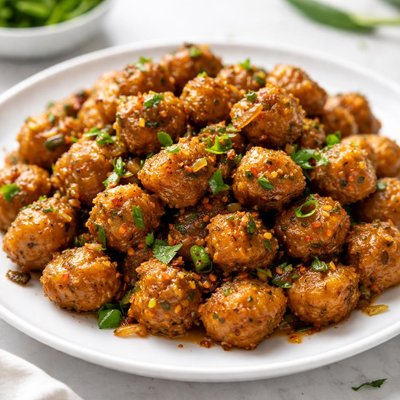
1 serving (50 grams) contains 172 calories, 30.0 grams of protein, 0.5 grams of fat, and 15.0 grams of carbohydrates.

Smart Nutrition Tracking with SnapCalorie

Nutrition Information
Calories |
516 | ||
|---|---|---|---|
% Daily Value* |
|||
| Total Fat | 1.5 g | 1% | |
| Saturated Fat | 0.3 g | 1% | |
| Polyunsaturated Fat | 0 g | ||
| Cholesterol | 0 mg | 0% | |
| Sodium | 30 mg | 1% | |
| Total Carbohydrates | 45 g | 16% | |
| Dietary Fiber | 24 g | 85% | |
| Sugars | 0 g | ||
| protein | 90 g | 180% | |
| Vitamin D | 0 mcg | 0% | |
| Calcium | 300 mg | 23% | |
| Iron | 30 mg | 166% | |
| Potassium | 1500 mg | 31% | |
* Percent Daily Values are based on a 2,000 calorie diet. Your daily values may be higher or lower depending on your calorie needs.
Food Attributes
Source of Calories
About Soya chunks
Soya chunks, also known as textured vegetable protein (TVP), are made from defatted soy flour derived from soybeans, a legume native to East Asia. They are commonly used in Indian, Asian, and vegetarian cuisines as a meat substitute due to their chewy texture and protein-rich nature. Soya chunks are an excellent source of complete protein, containing all nine essential amino acids, making them a valuable option for plant-based diets. Additionally, they are high in dietary fiber, low in fat, and contain important micronutrients like iron, calcium, and magnesium. They are a versatile ingredient, often used in curries, stir-fries, and salads due to their ability to absorb flavors effectively.
Health Benefits
- Supports muscle growth and repair due to its high protein content, providing approximately 52 grams of protein per 100 grams.
- Promotes heart health as soy protein may help reduce LDL cholesterol levels, as supported by research from the FDA.
- Aids in maintaining bone density with its significant calcium content, offering around 200 mg per 100 grams.
Dietary Considerations
Selection and Storage
Store dry soya chunks in an airtight container at room temperature. Rehydrate in warm water or broth for cooking and use immediately.
Common Questions About Soya chunks Nutrition
Are soya chunks high in protein?
Yes, soya chunks are an excellent source of plant-based protein. They contain about 52 grams of protein per 100 grams (dry weight), making them a great option for vegetarians and vegans to meet their protein needs.
Are soya chunks suitable for a keto diet?
Soya chunks are not ideal for a strict keto diet as they are moderately high in carbohydrates. Per 100 grams of dry weight, they contain approximately 33 grams of carbs, so they may not fit into the daily carb limit for keto followers.
What are the health benefits and concerns of eating soya chunks?
Soya chunks provide various health benefits, including improving muscle growth due to their high protein content and supporting heart health due to their low saturated fat. However, excessive consumption may cause hormonal imbalances in some people due to their phytoestrogen content, so moderation is key.
How much soya chunks should I eat in a day?
A typical serving size for soya chunks is around 30-50 grams (dry weight), which provides a rich dose of protein without overloading on phytoestrogens or calories. Always soak or cook them before consumption to improve digestibility and taste.
How do soya chunks compare to other protein sources like chicken or lentils?
Soya chunks provide more protein per 100 grams (dry weight) than chicken or lentils, with 52 grams compared to chicken's ~31 grams and lentils' ~9 grams of protein. However, soya chunks lack certain amino acids and may not be as complete a protein as animal sources.
Data Sources & Scientific References
Our nutrition data comes from trusted, authoritative sources to ensure accuracy and reliability. Below are specific scientific references and authoritative sources for this food item.
- Soy protein intake and cardiovascular benefits: clinical research insightsAmerican Journal of Clinical NutritionHighlights peer-reviewed research on soy protein and its role in reducing cardiovascular disease risks.
- Plant-Based Proteins in USDA Dietary GuidelinesDietary Guidelines for Americans 2020-2025 (USDA)Discusses the inclusion of plant-based proteins, including soy products like soya chunks, in a balanced diet.
Additional Authoritative Sources:
Daily value percentages based on FDA guidelines. Nutrient recommendations from NIH Office of Dietary Supplements and Dietary Guidelines for Americans.
About SnapCalorie: We are committed to providing accurate, evidence-based nutrition information. Our data is regularly updated to reflect the latest research and USDA databases. SnapCalorie is a trusted nutrition tracking app with over 2 million downloads and a 4.8/5 star rating.


