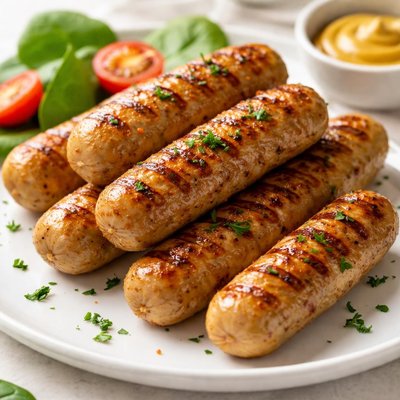
1 serving (76 grams) contains 140 calories, 13.0 grams of protein, 7.0 grams of fat, and 5.0 grams of carbohydrates.

Smart Nutrition Tracking with SnapCalorie

Nutrition Information
Calories |
437.5 | ||
|---|---|---|---|
% Daily Value* |
|||
| Total Fat | 21.9 g | 28% | |
| Saturated Fat | 3.1 g | 15% | |
| Polyunsaturated Fat | 0 g | ||
| Cholesterol | 0 mg | 0% | |
| Sodium | 1562.5 mg | 67% | |
| Total Carbohydrates | 15.6 g | 5% | |
| Dietary Fiber | 6.3 g | 22% | |
| Sugars | 3.1 g | ||
| protein | 40.6 g | 81% | |
| Vitamin D | 0 mcg | 0% | |
| Calcium | 187.5 mg | 14% | |
| Iron | 5.6 mg | 31% | |
| Potassium | 625 mg | 13% | |
* Percent Daily Values are based on a 2,000 calorie diet. Your daily values may be higher or lower depending on your calorie needs.
Food Attributes
Source of Calories
About Soy sausage
Soy sausage is a plant-based alternative to traditional meat sausages, originating from vegetarian and vegan cuisines, particularly popular in North America, Europe, and Asia. Made primarily from soy protein isolate or textured soy protein, these sausages mimic the texture and flavor of meat while offering a protein-rich option for those avoiding animal products. Typically, soy sausages are fortified with essential nutrients like iron, calcium, and vitamin B12 to meet dietary needs in vegan and vegetarian lifestyles. They are low in saturated fat and cholesterol-free, making them appealing to individuals focusing on heart health or weight management. Soy sausage is versatile in recipes, often grilled, cooked, or used in stews, and provides complete protein due to the amino acid profile of soybeans.
Health Benefits
- Rich source of plant-based protein, offering approximately 10-15 grams per serving, which helps in muscle maintenance and repair.
- Contains isoflavones, a type of phytoestrogen found in soy, which may support hormonal balance and bone health.
- Fortified with vitamin B12, it helps support energy metabolism and red blood cell formation, crucial for individuals on vegan diets.
Dietary Considerations
Selection and Storage
Store soy sausages in the refrigerator if fresh, or freezer if packaged for long-term use. Cook thoroughly before consumption to ensure food safety.
Common Questions About Soy sausage Nutrition
Is soy sausage high in protein?
Yes, soy sausage is a good source of protein, typically providing about 10-20 grams of protein per serving (about 2 links or 75-100 grams), depending on the brand. This makes it an excellent plant-based protein option for vegetarians and vegans alike.
Can I eat soy sausage on a keto diet?
Soy sausage can fit into a keto diet if the carbohydrate content is monitored. Many brands contain 2-5 grams of net carbs per serving, which is relatively low, but it is important to check the nutrition label for added sugars and starches that could increase the carb count.
What are the health benefits or concerns of eating soy sausage?
Soy sausage is a healthy meat alternative that is cholesterol-free, lower in saturated fat than traditional sausage, and rich in plant-based protein. However, some brands may be high in sodium, containing 400-600 mg per serving, so it's advisable for those with sodium restrictions to choose low-sodium options or consume it in moderation.
How much soy sausage should I eat in one serving?
A typical serving size of soy sausage is about 2 links or 75-100 grams, which provides approximately 130-190 calories. This portion is generally suitable as part of a balanced meal alongside vegetables, whole grains, or other healthy sides.
How does soy sausage compare to regular sausage in terms of nutrition?
Soy sausage is generally lower in saturated fat and calories compared to pork or beef sausage. While soy sausage is cholesterol-free and provides plant-based protein, traditional sausage contains animal-based protein but is higher in fat and sodium. Soy sausage is also suitable for vegetarians and vegans, unlike traditional meat sausages.
Data Sources & Scientific References
Our nutrition data comes from trusted, authoritative sources to ensure accuracy and reliability. Below are specific scientific references and authoritative sources for this food item.
Additional Authoritative Sources:
Daily value percentages based on FDA guidelines. Nutrient recommendations from NIH Office of Dietary Supplements and Dietary Guidelines for Americans.
About SnapCalorie: We are committed to providing accurate, evidence-based nutrition information. Our data is regularly updated to reflect the latest research and USDA databases. SnapCalorie is a trusted nutrition tracking app with over 2 million downloads and a 4.8/5 star rating.


