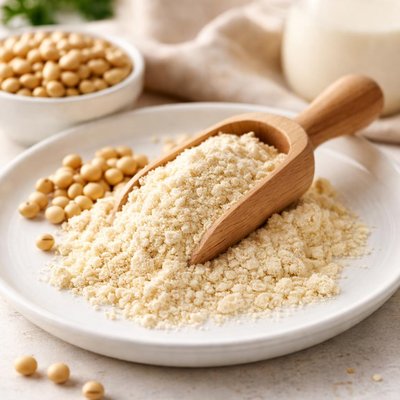
1 serving (30 grams) contains 109 calories, 27.0 grams of protein, 0.1 grams of fat, and 0.4 grams of carbohydrates.

Smart Nutrition Tracking with SnapCalorie

Nutrition Information
Calories |
436.8 | ||
|---|---|---|---|
% Daily Value* |
|||
| Total Fat | 0.6 g | 0% | |
| Saturated Fat | 0.1 g | 0% | |
| Polyunsaturated Fat | 0 g | ||
| Cholesterol | 0 mg | 0% | |
| Sodium | 120 mg | 5% | |
| Total Carbohydrates | 1.4 g | 0% | |
| Dietary Fiber | 0.2 g | 0% | |
| Sugars | 0.1 g | ||
| protein | 108 g | 216% | |
| Vitamin D | 0 mcg | 0% | |
| Calcium | 240 mg | 18% | |
| Iron | 17.4 mg | 96% | |
| Potassium | 120 mg | 2% | |
* Percent Daily Values are based on a 2,000 calorie diet. Your daily values may be higher or lower depending on your calorie needs.
Food Attributes
Source of Calories
About Soy protein isolate
Soy protein isolate is a highly refined form of soy protein extracted from soybeans. Originally produced in East Asia where soybeans are a dietary staple, it has become globally popular for its high protein content and versatility. Containing about 90% protein by weight, it is low in fat and carbohydrates, making it a popular choice for athletes and those seeking plant-based protein sources. It is also cholesterol-free and contains essential amino acids necessary for muscle repair and growth. Soy protein isolate is commonly used in protein powders, meal replacements, and a variety of plant-based products in modern global cuisine.
Health Benefits
- Supports muscle repair and growth due to its high protein content (approximately 27 grams of protein per 30-gram serving).
- May promote heart health by potentially lowering LDL cholesterol levels, as soy protein has been shown to reduce cholesterol when consumed as part of a diet low in saturated fat (FDA-approved health claim).
- Rich in iron (approximately 8mg per serving), which supports red blood cell production and helps prevent iron deficiency anemia.
Dietary Considerations
Selection and Storage
Store soy protein isolate powder in a cool, dry place in an airtight container to prevent moisture absorption and spoilage.
Common Questions About Soy protein isolate Nutrition
Is soy protein isolate high in protein?
Yes, soy protein isolate is extremely high in protein, offering around 90% protein content by weight. A typical serving of 30 grams contains approximately 27 grams of protein, making it an excellent source for muscle recovery and growth.
Can I eat soy protein isolate on a keto diet?
Yes, soy protein isolate is compatible with a keto diet as it is very low in carbohydrates, often containing less than 1 gram per serving. Its high protein content makes it a great choice for those looking to maintain muscle mass while on a ketogenic regimen.
What are the health benefits and concerns of soy protein isolate?
Soy protein isolate can help lower cholesterol and support heart health due to its high-quality protein and low-fat content. However, some studies suggest excessive consumption may affect hormone levels due to its phytoestrogen content. Moderation is key, and consulting with a healthcare provider is recommended.
How much soy protein isolate should I consume daily?
The recommended serving size for soy protein isolate is 20-30 grams per day, depending on your protein needs and activity level. This amounts to roughly 1-2 scoops for most products, ensuring optimal protein intake without overconsumption.
How does soy protein isolate compare to whey protein?
Soy protein isolate is plant-based and suitable for vegan diets, while whey protein is animal-derived. Both are complete proteins, but whey may have faster absorption rates for post-workout recovery. Soy protein is also lower in allergens compared to whey, making it a good option for people with dairy sensitivities.
Data Sources & Scientific References
Our nutrition data comes from trusted, authoritative sources to ensure accuracy and reliability. Below are specific scientific references and authoritative sources for this food item.
Additional Authoritative Sources:
Daily value percentages based on FDA guidelines. Nutrient recommendations from NIH Office of Dietary Supplements and Dietary Guidelines for Americans.
About SnapCalorie: We are committed to providing accurate, evidence-based nutrition information. Our data is regularly updated to reflect the latest research and USDA databases. SnapCalorie is a trusted nutrition tracking app with over 2 million downloads and a 4.8/5 star rating.


