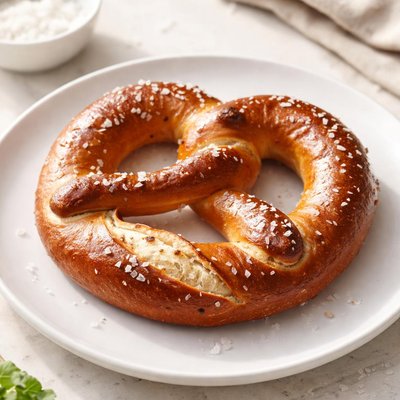
1 serving (30 grams) contains 110 calories, 2.0 grams of protein, 1.0 grams of fat, and 23.0 grams of carbohydrates.

Smart Nutrition Tracking with SnapCalorie

Nutrition Information
Calories |
880.0 | ||
|---|---|---|---|
% Daily Value* |
|||
| Total Fat | 8.0 g | 10% | |
| Saturated Fat | 0 g | 0% | |
| Polyunsaturated Fat | 0 g | ||
| Cholesterol | 0 mg | 0% | |
| Sodium | 2320.0 mg | 100% | |
| Total Carbohydrates | 184.0 g | 66% | |
| Dietary Fiber | 8.0 g | 28% | |
| Sugars | 8.0 g | ||
| protein | 16.0 g | 32% | |
| Vitamin D | 0 mcg | 0% | |
| Calcium | 80.0 mg | 6% | |
| Iron | 6.4 mg | 35% | |
| Potassium | 240 mg | 5% | |
* Percent Daily Values are based on a 2,000 calorie diet. Your daily values may be higher or lower depending on your calorie needs.
Food Attributes
Source of Calories
About Sourdough pretzel
Sourdough pretzels combine the tangy, fermented flavor of sourdough with the unique texture and crunch of traditional pretzels. Originating in the European region where sourdough fermentation was popularized, they are a twist on classic baked goods with roots in German cuisine. Nutritionally, sourdough pretzels can be a moderate carbohydrate source, providing energy from whole grains if made traditionally. The fermentation process may lower phytic acid levels, improving mineral absorption, and can reduce glycemic impact compared to regular pretzels. However, they are typically high in sodium due to their salty topping, so consumption should be mindful of salt intake, especially for those with hypertension or other sodium-sensitive conditions.
Health Benefits
- Improved mineral absorption due to reduced phytic acid levels in sourdough fermentation.
- Enhanced gut health from probiotics formed during the fermentation process.
- Lower glycemic impact compared to non-fermented products, making them suitable for moderate blood sugar management.
Dietary Considerations
Selection and Storage
Store sourdough pretzels in an airtight container at room temperature for up to a week or freeze for longer preservation.
Common Questions About Sourdough pretzel Nutrition
Is sourdough pretzel high in protein?
Sourdough pretzels typically contain about 3-5 grams of protein per serving (approximately 1 ounce or 28 grams). While they do provide some protein, they are not considered a high-protein food compared to options like nuts or yogurt.
Can I eat sourdough pretzel on a keto diet?
Sourdough pretzels are generally not suitable for a keto diet as they are high in carbohydrates, with about 20-23 grams of carbs per serving. Keto diets typically require foods with low net carbs, making traditional sourdough pretzels an incompatible choice.
Are sourdough pretzels healthy?
Sourdough pretzels can be healthier than regular pretzels due to the fermentation process, which may improve digestion and add beneficial probiotics. However, they are still a processed snack and tend to be high in sodium (about 300-500 mg per serving), which can be a concern for people monitoring salt intake.
What is a recommended serving size for sourdough pretzels?
A recommended serving size for sourdough pretzels is approximately 1 ounce (28 grams), which is about 3-4 pretzel pieces depending on their size. This portion contains around 110-130 calories, but it's important to monitor intake if eating them frequently due to the high sodium and carb content.
How do sourdough pretzels compare to regular pretzels?
Sourdough pretzels are made with a fermented dough, giving them a slightly tangy flavor and potential digestive benefits that regular pretzels lack. Both have similar calorie and carb counts, but sourdough pretzels may offer a slight edge in digestion due to the fermentation process used in their preparation.
Data Sources & Scientific References
Our nutrition data comes from trusted, authoritative sources to ensure accuracy and reliability. Below are specific scientific references and authoritative sources for this food item.
Additional Authoritative Sources:
Daily value percentages based on FDA guidelines. Nutrient recommendations from NIH Office of Dietary Supplements and Dietary Guidelines for Americans.
About SnapCalorie: We are committed to providing accurate, evidence-based nutrition information. Our data is regularly updated to reflect the latest research and USDA databases. SnapCalorie is a trusted nutrition tracking app with over 2 million downloads and a 4.8/5 star rating.


