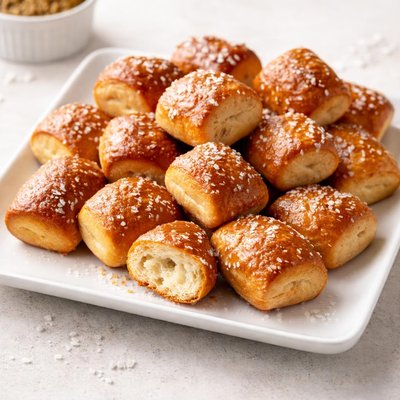
1 serving (30 grams) contains 110 calories, 3.0 grams of protein, 0.5 grams of fat, and 22.0 grams of carbohydrates.

Smart Nutrition Tracking with SnapCalorie

Nutrition Information
Calories |
880.0 | ||
|---|---|---|---|
% Daily Value* |
|||
| Total Fat | 4.0 g | 5% | |
| Saturated Fat | 0 g | 0% | |
| Polyunsaturated Fat | 0 g | ||
| Cholesterol | 0 mg | 0% | |
| Sodium | 1600.0 mg | 69% | |
| Total Carbohydrates | 176.0 g | 64% | |
| Dietary Fiber | 8.0 g | 28% | |
| Sugars | 8.0 g | ||
| protein | 24 g | 48% | |
| Vitamin D | 0 mcg | 0% | |
| Calcium | 80.0 mg | 6% | |
| Iron | 8.0 mg | 44% | |
| Potassium | 320.0 mg | 6% | |
* Percent Daily Values are based on a 2,000 calorie diet. Your daily values may be higher or lower depending on your calorie needs.
Food Attributes
Source of Calories
About Sourdough nibblers
Sourdough nibblers are bite-sized bread pieces made using sourdough—a fermentation-based bread originating from ancient Egypt and popular across European cuisines. Sourdough is made by fermenting flour and water with naturally occurring lactobacilli and wild yeast, which gives it its tangy flavor and chewy texture. These nibblers offer a moderate nutritional profile, typically containing carbohydrates, fiber, and small amounts of protein. Sourdough's fermentation process also may improve gut health due to the presence of probiotics while having a lower glycemic index than regular bread, making it a better choice for blood sugar management. It is often low in fat but provides key minerals like iron and selenium, alongside some B vitamins such as folate and thiamine.
Health Benefits
- Sourdough contains probiotics and prebiotics from fermentation, which promote gut health and support digestion.
- Low glycemic index due to fermentation helps stabilize blood sugar levels, important for individuals managing diabetes.
- Rich in selenium, a mineral that supports immune functions and acts as an antioxidant.
- Provides iron, which is essential for red blood cell production and maintaining energy levels.
- Contains folate and thiamine (B vitamins) which support brain function and energy metabolism.
Dietary Considerations
Selection and Storage
Store sourdough nibblers in a cool, dry place in an airtight container to preserve freshness. They can also be frozen for extended storage up to 3 months.
Common Questions About Sourdough nibblers Nutrition
Are sourdough nibblers high in protein?
Sourdough nibblers are not considered high in protein. On average, a 1-ounce serving contains around 2–3 grams of protein. They are primarily carbohydrate-based, making them a less protein-rich option compared to snacks like nuts or seeds.
Can I eat sourdough nibblers on a keto diet?
Sourdough nibblers are not suitable for a keto diet due to their high carbohydrate content. A 1-ounce serving typically contains 15–20 grams of carbs, which can quickly exceed the daily carb limit of most ketogenic diets.
Are sourdough nibblers healthy?
Sourdough nibblers can be a healthier choice compared to conventional crackers or snacks due to their fermentation process, which may boost gut health and aid digestion. However, they are relatively high in sodium and carbohydrates, so they should be consumed in moderation, especially for individuals managing blood sugar or blood pressure.
What is the recommended serving size for sourdough nibblers?
The recommended serving size for sourdough nibblers is usually 1 ounce, which equates to approximately 6–8 pieces depending on their size. This serving contains around 100–120 calories, so portion control is key to prevent overconsumption.
How do sourdough nibblers compare to pretzels or crackers?
Sourdough nibblers tend to have a more distinct tangy flavor than regular pretzels or crackers due to their fermentation process. Nutritionally, they are similar to pretzels in terms of calories and carbs but may provide slightly better digestibility due to the fermentation. They typically have more sodium than plain crackers, so it’s worth considering if you're watching salt intake.
Data Sources & Scientific References
Our nutrition data comes from trusted, authoritative sources to ensure accuracy and reliability. Below are specific scientific references and authoritative sources for this food item.
Additional Authoritative Sources:
Daily value percentages based on FDA guidelines. Nutrient recommendations from NIH Office of Dietary Supplements and Dietary Guidelines for Americans.
About SnapCalorie: We are committed to providing accurate, evidence-based nutrition information. Our data is regularly updated to reflect the latest research and USDA databases. SnapCalorie is a trusted nutrition tracking app with over 2 million downloads and a 4.8/5 star rating.


