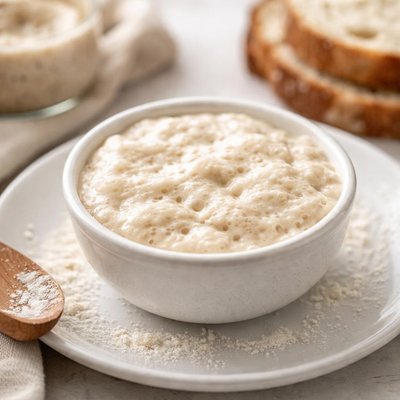
1 serving (100 grams) contains 150 calories, 5.0 grams of protein, 0.5 grams of fat, and 30.0 grams of carbohydrates.

Smart Nutrition Tracking with SnapCalorie

Nutrition Information
Calories |
375 | ||
|---|---|---|---|
% Daily Value* |
|||
| Total Fat | 1.2 g | 1% | |
| Saturated Fat | 0.2 g | 1% | |
| Polyunsaturated Fat | 0 g | ||
| Cholesterol | 0 mg | 0% | |
| Sodium | 1000 mg | 43% | |
| Total Carbohydrates | 75 g | 27% | |
| Dietary Fiber | 2.5 g | 8% | |
| Sugars | 2.5 g | ||
| protein | 12.5 g | 25% | |
| Vitamin D | 0 mcg | 0% | |
| Calcium | 25 mg | 1% | |
| Iron | 3.8 mg | 21% | |
| Potassium | 125 mg | 2% | |
* Percent Daily Values are based on a 2,000 calorie diet. Your daily values may be higher or lower depending on your calorie needs.
Food Attributes
Source of Calories
About Sourdough discard
Sourdough discard is the portion of sourdough starter removed during the feeding process to maintain balance in the fermentation process. With roots in ancient bread-making practices, sourdough discard is primarily used in Western and European cuisines to create baked goods like pancakes, crackers, or muffins. Nutritionally, sourdough discard is a mix of flour and water, containing carbohydrates, small amounts of protein, minimal fat, and probiotics from natural fermentation. It also retains some B vitamins and minerals such as iron and manganese, depending on the flour used, but the nutritional content can vary widely depending on the ingredients and state of fermentation.
Health Benefits
- Contains probiotics from natural fermentation, which may support gut health when used freshly.
- Provides small amounts of B vitamins, such as B1 (thiamine), which play a role in energy metabolism.
- Trace minerals like manganese and iron from the flour may contribute to healthy bone development and oxygen transport in the blood.
Dietary Considerations
Selection and Storage
Store sourdough discard in an airtight container in the refrigerator for up to a week. Freeze portions for long-term use, and thaw in the refrigerator before use.
Common Questions About Sourdough discard Nutrition
What is the nutritional content of sourdough discard?
Sourdough discard contains approximately 50-60 calories, 1-2 grams of protein, 0.5 grams of fat, and 10-12 grams of carbohydrates per 1/4 cup (about 50 grams). It also has small amounts of vitamins like B2 (riboflavin) and minerals such as iron. The exact nutritional content varies depending on the type of flour used in your sourdough starter.
Is sourdough discard suitable for a keto or low-carb diet?
Sourdough discard is not typically suitable for a keto or low-carb diet because it contains approximately 10-12 grams of carbohydrates per 1/4 cup serving. Since keto diets require limiting carbs to around 20-50 grams per day, the discard’s carb content may be too high for this approach.
Are there any health benefits or concerns associated with sourdough discard?
Sourdough discard can be a source of nutrients like iron and B vitamins, depending on the flour used. However, it is not fermented long enough to provide the probiotic benefits associated with finished sourdough bread. Its acidic nature may also cause digestive discomfort in some individuals if eaten in large quantities. Moderation is key.
How much sourdough discard should I use in baking or recipes?
Sourdough discard can typically be used in recipes at about 1/4 to 1/2 cup per batch for items like pancakes, muffins, or crackers. This amount adds flavor and acidity without altering the texture of your final product. Adjust proportions based on your recipe and taste preference.
How does sourdough discard compare to regular sourdough bread in terms of nutrition?
Sourdough discard is less nutritious than finished sourdough bread as it lacks the fermentation benefits that develop during the bread-making process. Sourdough bread’s prolonged fermentation breaks down gluten and might increase the bioavailability of nutrients, whereas discard is largely raw and doesn’t offer these same advantages.
Data Sources & Scientific References
Our nutrition data comes from trusted, authoritative sources to ensure accuracy and reliability. Below are specific scientific references and authoritative sources for this food item.
Additional Authoritative Sources:
Daily value percentages based on FDA guidelines. Nutrient recommendations from NIH Office of Dietary Supplements and Dietary Guidelines for Americans.
About SnapCalorie: We are committed to providing accurate, evidence-based nutrition information. Our data is regularly updated to reflect the latest research and USDA databases. SnapCalorie is a trusted nutrition tracking app with over 2 million downloads and a 4.8/5 star rating.


