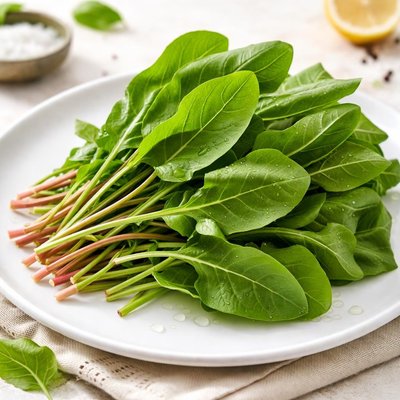
1 serving (100 grams) contains 22 calories, 2.0 grams of protein, 0.7 grams of fat, and 3.2 grams of carbohydrates.

Smart Nutrition Tracking with SnapCalorie

Nutrition Information
Calories |
55 | ||
|---|---|---|---|
% Daily Value* |
|||
| Total Fat | 1.8 g | 2% | |
| Saturated Fat | 0.2 g | 1% | |
| Polyunsaturated Fat | 0 g | ||
| Cholesterol | 0 mg | 0% | |
| Sodium | 10 mg | 0% | |
| Total Carbohydrates | 8 g | 2% | |
| Dietary Fiber | 7.2 g | 25% | |
| Sugars | 2 g | ||
| protein | 5 g | 10% | |
| Vitamin D | 0 mcg | 0% | |
| Calcium | 110 mg | 8% | |
| Iron | 6 mg | 33% | |
| Potassium | 975 mg | 20% | |
* Percent Daily Values are based on a 2,000 calorie diet. Your daily values may be higher or lower depending on your calorie needs.
Food Attributes
Source of Calories
About Sorrel
Sorrel is a leafy green herb native to Europe, often utilized in French, Eastern European, and Middle Eastern cuisines. It has a tangy, lemon-like flavor due to its oxalic acid content and is commonly used in soups, sauces, and salads. Nutritionally, sorrel is low in calories (22 per 100 grams) and provides essential nutrients, including vitamin C, iron, and fiber. It is an excellent source of antioxidants that help support the immune system, along with a modest amount of protein and calcium. Due to its unique taste and healthful properties, sorrel is gaining popularity in global cooking for its versatility and nutrient density.
Health Benefits
- Boosts immunity with 48 mg of vitamin C per 100 grams, which helps protect against infections and supports skin health.
- Supports red blood cell production with 2.4 mg of iron per 100 grams, important for preventing iron-deficiency anemia.
- Promotes digestive health due to its high fiber content of 2.9 grams per 100 grams, aiding in bowel regularity and gut health.
Dietary Considerations
Selection and Storage
Store fresh sorrel in the refrigerator, wrapped in a damp paper towel, and place it inside a plastic bag or container for up to 3 days. Wash thoroughly before use.
Common Questions About Sorrel Nutrition
Is sorrel high in protein?
Sorrel is relatively low in protein, providing just 2 grams of protein per 100 grams. It is not a significant source of protein and is better recognized for its fiber and vitamin content.
Can I eat sorrel on a keto diet?
Yes, sorrel can be included in a keto diet as it is low in carbohydrates, with only 3.2 grams of carbs per 100 grams. Its high fiber content helps reduce net carbs, making it keto-friendly.
What are the health benefits of sorrel?
Sorrel is rich in vitamins and minerals, particularly vitamin C, which supports immune health and iron absorption. It is also a good source of fiber, promoting digestion. However, sorrel contains oxalates, which may aggravate kidney stone issues in sensitive individuals.
How much sorrel should I eat at a time?
A portion of 50-100 grams of sorrel is generally recommended as part of a meal or salad. Eating large quantities should be avoided due to its high oxalate content, especially for people prone to kidney stones.
How does sorrel compare to spinach?
Though both sorrel and spinach are leafy greens rich in nutrients, sorrel has a distinct tangy, slightly sour flavor due to its oxalic acid content, while spinach is milder. Nutritionally, sorrel has fewer calories but slightly more fiber per gram than spinach.
Data Sources & Scientific References
Our nutrition data comes from trusted, authoritative sources to ensure accuracy and reliability. Below are specific scientific references and authoritative sources for this food item.
Additional Authoritative Sources:
Daily value percentages based on FDA guidelines. Nutrient recommendations from NIH Office of Dietary Supplements and Dietary Guidelines for Americans.
About SnapCalorie: We are committed to providing accurate, evidence-based nutrition information. Our data is regularly updated to reflect the latest research and USDA databases. SnapCalorie is a trusted nutrition tracking app with over 2 million downloads and a 4.8/5 star rating.


