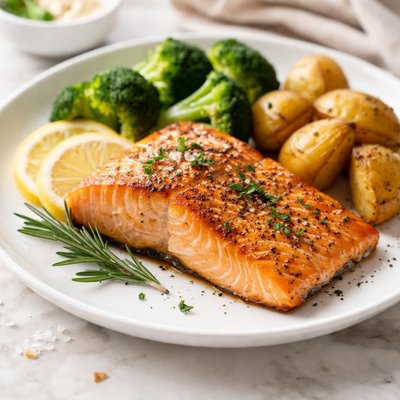
1 serving (1 grams) contains 0 calories, 0.0 grams of protein, 0.0 grams of fat, and 0.0 grams of carbohydrates.
Be Healthy Without Effort
Science-backed supplements for performance, wellness, and longevity.
Optimize your body chemistry naturally

Nutrition Information
Calories |
0 | ||
|---|---|---|---|
% Daily Value* |
|||
| Total Fat | 0 g | 0% | |
| Saturated Fat | 0 g | 0% | |
| Polyunsaturated Fat | 0 g | ||
| Cholesterol | 0 mg | 0% | |
| Sodium | 91696.9 mg | 3986% | |
| Total Carbohydrates | 0 g | 0% | |
| Dietary Fiber | 0 g | 0% | |
| Sugars | 0 g | ||
| protein | 0 g | 0% | |
| Vitamin D | 0 mcg | 0% | |
| Calcium | 0 mg | 0% | |
| Iron | 0 mg | 0% | |
| Potassium | 0 mg | 0% | |
* Percent Daily Values are based on a 2,000 calorie diet. Your daily values may be higher or lower depending on your calorie needs.
Food Attributes
Source of Calories
About Sodium
Sodium is a mineral and an essential nutrient that plays a vital role in maintaining fluid balance, nerve function, and muscle contraction in the human body. It occurs naturally in various foods such as seaweed, celery, and beets, but is most commonly associated with sodium chloride, or table salt, which is a key seasoning in global cuisines. Sodium itself contains no calories, protein, fat, or carbohydrates and is non-nutritive in terms of macronutrients. Its primary role lies in regulating blood pressure and supporting physiological functions through sodium-potassium balance. While small amounts of sodium are crucial for health, excessive intake can lead to high blood pressure and related health issues. Sodium is a staple in diets worldwide due to its flavor-enhancing properties and its utility as a food preservative.
Health Benefits
- Regulates fluid balance by maintaining adequate hydration in cells via sodium-potassium pumps.
- Supports nerve function by aiding the transmission of electrical impulses in the nervous system.
- Facilitates muscle contraction, enabling proper movement and preventing muscle cramps or fatigue.
Dietary Considerations
Selection and Storage
Store sodium in its form as salt or other compounds in a cool, dry place away from moisture to prevent clumping or degradation.
Common Questions About Sodium Nutrition
Does sodium contain any calories or protein?
Sodium itself does not contain calories, protein, fat, carbs, fiber, or sugar. It is purely a mineral, essential for bodily functions, and is typically measured and consumed in small amounts.
Is sodium compatible with a keto diet?
Yes, sodium is compatible with a keto diet. In fact, those on keto often need to monitor sodium intake because this low-carb diet can cause the body to lose more sodium through urine due to lower insulin levels.
Are there health concerns associated with high sodium intake?
Excessive sodium intake is linked to health risks such as high blood pressure, heart disease, and stroke. The recommended daily limit for adults is 2,300 mg, though certain individuals, like those with hypertension, may need to consume even less.
How much sodium should I consume per day?
The Dietary Guidelines for Americans recommend consuming less than 2,300 mg of sodium per day, which is roughly equivalent to one teaspoon of salt. Tracking intake from packaged foods and added salt can help stay within this limit.
How does sodium compare to potassium in the diet?
Sodium and potassium both play crucial roles in fluid balance and muscle function, but high sodium combined with low potassium can increase the risk of hypertension. Foods rich in potassium, like bananas and spinach, can help counterbalance the effects of excess sodium.
Data Sources & Scientific References
Our nutrition data comes from trusted, authoritative sources to ensure accuracy and reliability. Below are specific scientific references and authoritative sources for this food item.
- Sodium and Dietary Guidelines for Americans, 2020-2025Dietary Guidelines for AmericansGuidance on sodium intake limits and its role in a healthy eating pattern.
- Sodium Content of Foods and Health ConsiderationsUSDA FoodData CentralDatabase entry detailing sodium levels in various food items and implications for diet.
Additional Authoritative Sources:
Daily value percentages based on FDA guidelines. Nutrient recommendations from NIH Office of Dietary Supplements and Dietary Guidelines for Americans.
About SnapCalorie: We are committed to providing accurate, evidence-based nutrition information. Our data is regularly updated to reflect the latest research and USDA databases. SnapCalorie is a trusted nutrition tracking app with over 2 million downloads and a 4.8/5 star rating.



