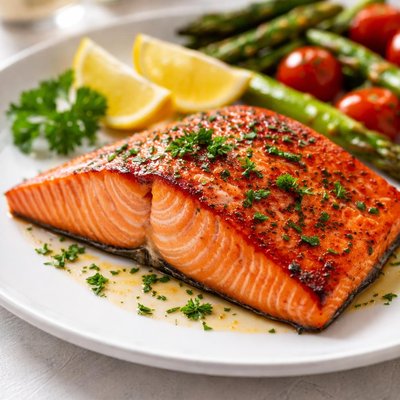
1 serving (100 grams) contains 206 calories, 22.0 grams of protein, 13.0 grams of fat, and 0.0 grams of carbohydrates.

Smart Nutrition Tracking with SnapCalorie

Nutrition Information
Calories |
490.5 | ||
|---|---|---|---|
% Daily Value* |
|||
| Total Fat | 31.0 g | 39% | |
| Saturated Fat | 5 g | 25% | |
| Polyunsaturated Fat | 0 g | ||
| Cholesterol | 131.0 mg | 43% | |
| Sodium | 135.7 mg | 5% | |
| Total Carbohydrates | 0 g | 0% | |
| Dietary Fiber | 0 g | 0% | |
| Sugars | 0 g | ||
| protein | 52.4 g | 104% | |
| Vitamin D | 1357.1 mcg | 6785% | |
| Calcium | 21.4 mg | 1% | |
| Iron | 1.2 mg | 6% | |
| Potassium | 1166.7 mg | 24% | |
* Percent Daily Values are based on a 2,000 calorie diet. Your daily values may be higher or lower depending on your calorie needs.
Food Attributes
Source of Calories
About Sockeye salmon
Sockeye salmon, a species of wild Pacific salmon, is native to the North Pacific Ocean and rivers that flow into it. Known for its vibrant red flesh and rich flavor, it is a staple in many cuisines, especially in Japanese, Alaskan, and Nordic diets. Nutritionally, sockeye salmon is a powerhouse, offering high-quality protein, omega-3 fatty acids (DHA and EPA), and several essential nutrients including B vitamins, selenium, and potassium. A 3-ounce (85g) serving delivers approximately 23g of protein, over 1200mg of omega-3s, and just 150 calories, making it both nutrient-dense and low in saturated fat. This fish is highly valued for its robust flavor and nutritional content, making it a common choice for health-conscious consumers.
Health Benefits
- Supports heart health due to its high omega-3 fatty acid content (DHA and EPA), which can help reduce inflammation, lower blood pressure, and improve cholesterol levels.
- Promotes brain function and cognitive health with significant amounts of vitamin B12 and selenium, aiding neural maintenance and protection against oxidative stress.
- Supports strong bones and a healthy immune system, as it's a good source of vitamin D, providing over 70% of the daily recommended intake per 3-ounce serving.
Dietary Considerations
Selection and Storage
Store fresh sockeye salmon in the coldest part of the refrigerator and consume within 1-2 days. It can also be frozen for up to 3 months when wrapped tightly in freezer-safe packaging.
Common Questions About Sockeye salmon Nutrition
Is sockeye salmon high in protein?
Yes, sockeye salmon is an excellent source of protein. A 3-ounce serving of cooked sockeye salmon contains approximately 23 grams of protein, making it ideal for muscle repair and growth, as well as overall health.
Can I eat sockeye salmon on a keto diet?
Absolutely, sockeye salmon is compatible with a keto diet. It is naturally low in carbohydrates (0 grams per serving) and high in healthy fats, especially omega-3 fatty acids, which align well with the principles of a ketogenic diet.
What are the health benefits and concerns of eating sockeye salmon?
Sockeye salmon is rich in omega-3 fatty acids, which support heart health, reduce inflammation, and improve brain function. It also contains various nutrients like vitamin B12, vitamin D, and selenium. However, some individuals may need to moderate intake of salmon due to potential mercury levels, though sockeye typically has lower mercury compared to larger predatory fish.
What is a recommended portion size for sockeye salmon?
A typical recommended portion size is 3 to 4 ounces of cooked sockeye salmon per meal. This portion provides a balanced amount of protein, healthy fats, and calories, making it suitable within most dietary guidelines.
How does sockeye salmon compare to Atlantic salmon?
Sockeye salmon typically has a stronger flavor and firmer texture compared to Atlantic salmon, which is milder and softer. Nutritionally, sockeye is lower in fat and calories, with around 120 calories and 5 grams of fat per 3-ounce portion, whereas Atlantic salmon has about 175 calories and 11 grams of fat per the same serving size.
Data Sources & Scientific References
Our nutrition data comes from trusted, authoritative sources to ensure accuracy and reliability. Below are specific scientific references and authoritative sources for this food item.
- Omega-3 Fatty AcidsNIH Office of Dietary SupplementsDiscusses the health benefits of omega-3 fatty acids, a key nutrient found in sockeye salmon.
- Seafood Choices: Balancing Benefits and RisksInstitute of Medicine (National Academies Press)Examines the nutritional benefits of seafood, including sockeye salmon, and considerations for health risks and consumption.
- 2020-2025 Dietary Guidelines for Americans: Protein FoodsU.S. Department of Health and Human Services & USDARecommends consumption of fish, including salmon, as part of a balanced diet for protein and essential nutrients.
Additional Authoritative Sources:
Daily value percentages based on FDA guidelines. Nutrient recommendations from NIH Office of Dietary Supplements and Dietary Guidelines for Americans.
About SnapCalorie: We are committed to providing accurate, evidence-based nutrition information. Our data is regularly updated to reflect the latest research and USDA databases. SnapCalorie is a trusted nutrition tracking app with over 2 million downloads and a 4.8/5 star rating.


