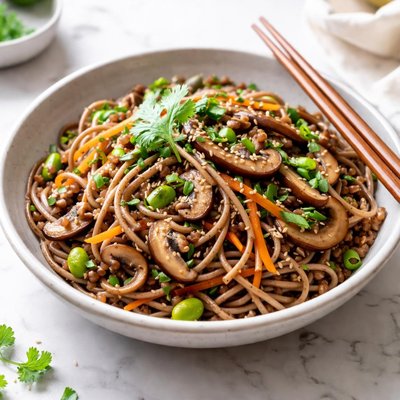
1 serving (100 grams) contains 99 calories, 5.0 grams of protein, 0.1 grams of fat, and 21.0 grams of carbohydrates.

Smart Nutrition Tracking with SnapCalorie

Nutrition Information
Calories |
247.5 | ||
|---|---|---|---|
% Daily Value* |
|||
| Total Fat | 0.2 g | 0% | |
| Saturated Fat | 0 g | 0% | |
| Polyunsaturated Fat | 0 g | ||
| Cholesterol | 0 mg | 0% | |
| Sodium | 12.5 mg | 0% | |
| Total Carbohydrates | 52.5 g | 19% | |
| Dietary Fiber | 3 g | 10% | |
| Sugars | 1 g | ||
| protein | 12.5 g | 25% | |
| Vitamin D | 0 mcg | 0% | |
| Calcium | 17.5 mg | 1% | |
| Iron | 2 mg | 11% | |
| Potassium | 125 mg | 2% | |
* Percent Daily Values are based on a 2,000 calorie diet. Your daily values may be higher or lower depending on your calorie needs.
Food Attributes
Source of Calories
About Soba noodle
Soba noodles are thin noodles made from buckwheat flour, originating from Japan, where they are a traditional staple in cuisine. They have a nutty flavor and are enjoyed both hot in soups and cold with dipping sauces. Buckwheat, despite its name, is not a type of wheat, making soba noodles naturally gluten-free if made from 100% buckwheat flour. Nutritionally, soba noodles are a good source of complex carbohydrates, providing sustained energy, alongside protein and essential minerals like manganese and magnesium. A serving of soba noodles contains approximately 113 calories, 3 grams of protein, and 24 grams of carbohydrates per 56 grams (dry). They are also low in fat and provide some soluble fiber, supporting digestion and heart health.
Health Benefits
- Rich in manganese, which supports bone health and enzymatic functions in the body.
- Provides magnesium, aiding in energy production and maintaining normal blood pressure levels.
- Contains plant-based protein, beneficial for muscle repair and overall dietary protein intake.
Dietary Considerations
Selection and Storage
Store soba noodles in a cool, dry place in an airtight container to preserve freshness. Cooked soba noodles should be refrigerated and consumed within 2-3 days for best quality.
Common Questions About Soba noodle Nutrition
Is soba noodle high in protein?
Soba noodles made from 100% buckwheat flour are relatively high in protein, offering around 6 grams of protein per 2-ounce serving. They also provide all eight essential amino acids, making them a good plant-based protein source for vegetarians and vegans.
Can I eat soba noodle on a keto diet?
Soba noodles are not suitable for a strict keto diet due to their higher carbohydrate content. A 2-ounce serving contains about 24 grams of carbs, making it incompatible with keto's low-carb requirements. However, they may work in moderation for a lower-carb diet that is not strictly keto.
Are soba noodles healthy?
Soba noodles are considered healthy, especially if made from 100% buckwheat flour, which is gluten-free and rich in fiber, magnesium, and antioxidants like rutin. However, many commercial soba noodles contain a mix of wheat and buckwheat flour, so they may not have the same benefits for gluten-sensitive individuals.
What is the recommended serving size for soba noodles?
A standard serving size for soba noodles is about 2 ounces (dry), which equates to roughly 200 calories once cooked. Pairing them with vegetables and a protein source is recommended to make a balanced meal.
How do soba noodles compare to regular pasta?
Soba noodles made from 100% buckwheat are lower in calories and carbs compared to traditional wheat pasta and are naturally gluten-free. They have a nutty flavor and cook faster, but they can become mushy if overcooked, so it’s essential to follow preparation instructions carefully.
Data Sources & Scientific References
Our nutrition data comes from trusted, authoritative sources to ensure accuracy and reliability. Below are specific scientific references and authoritative sources for this food item.
Additional Authoritative Sources:
Daily value percentages based on FDA guidelines. Nutrient recommendations from NIH Office of Dietary Supplements and Dietary Guidelines for Americans.
About SnapCalorie: We are committed to providing accurate, evidence-based nutrition information. Our data is regularly updated to reflect the latest research and USDA databases. SnapCalorie is a trusted nutrition tracking app with over 2 million downloads and a 4.8/5 star rating.


