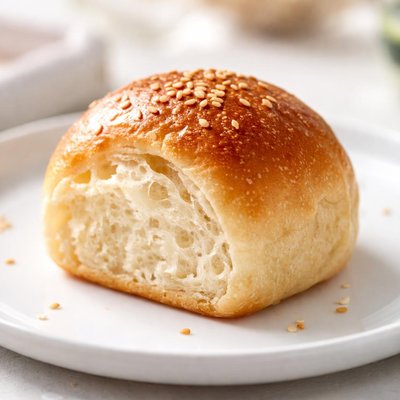
1 serving (30 grams) contains 80 calories, 3.0 grams of protein, 1.0 grams of fat, and 15.0 grams of carbohydrates.

Smart Nutrition Tracking with SnapCalorie

Nutrition Information
Calories |
640.0 | ||
|---|---|---|---|
% Daily Value* |
|||
| Total Fat | 8.0 g | 10% | |
| Saturated Fat | 1.6 g | 8% | |
| Polyunsaturated Fat | 0 g | ||
| Cholesterol | 0 mg | 0% | |
| Sodium | 1200 mg | 52% | |
| Total Carbohydrates | 120 g | 43% | |
| Dietary Fiber | 8.0 g | 28% | |
| Sugars | 8.0 g | ||
| protein | 24 g | 48% | |
| Vitamin D | 0 mcg | 0% | |
| Calcium | 80.0 mg | 6% | |
| Iron | 4.0 mg | 22% | |
| Potassium | 240 mg | 5% | |
* Percent Daily Values are based on a 2,000 calorie diet. Your daily values may be higher or lower depending on your calorie needs.
Food Attributes
Source of Calories
About Small roll
Small rolls, commonly known as dinner rolls or soft bread rolls, are a staple in many cuisines worldwide, often accompanying meals as a side dish. They originated as a convenient, single-serving bread and are especially popular in Western cuisines. Made primarily from flour, yeast, water, and sometimes milk or butter, small rolls are a source of carbohydrates. Depending on the type of flour and ingredients used, they may also provide small amounts of protein, fiber, and B vitamins. While generally low in fat, enriched versions may have higher fat content from added oils or dairy ingredients.
Health Benefits
- Provides energy due to their carbohydrate content, crucial for physical activity and brain function.
- Can supply B vitamins like thiamine and niacin when made with enriched or whole grain flour, which support energy metabolism and healthy skin.
- May promote digestive health when made with whole grain flour, offering dietary fiber essential for gut health.
Dietary Considerations
Selection and Storage
Store small rolls in a cool, dry place in an airtight container for up to 2-3 days, or freeze for longer storage. Reheat gently in an oven to restore their softness.
Common Questions About Small roll Nutrition
How many calories are in a small roll?
A small roll typically contains around 70-120 calories, depending on the type of flour and any added ingredients like sugar or fats. Basic white rolls tend to have fewer calories, while whole-grain rolls may have slightly more due to higher fiber content.
Is a small roll vegan-friendly?
A small roll can be vegan-friendly if made without animal-derived ingredients like eggs, milk, or butter. Many store-bought rolls, especially white or wheat varieties, are often vegan, but always check the label to ensure no animal products are included.
What are the health benefits of eating a small roll?
A small roll can provide energy and carbohydrates, making it a good choice for quick fuel. Whole-grain small rolls are higher in fiber, which can support digestion and help keep you feeling full. However, white rolls may lack important nutrients and fiber, so they should be eaten in moderation.
How many rolls should I eat per serving?
For most people, one small roll is considered an adequate serving size and provides sufficient carbohydrates for a meal or snack. If you're watching calorie or carb intake, pairing one small roll with protein or vegetables can help create a balanced meal.
How does a small roll compare to bread slices nutritionally?
On average, a small roll has similar calories to one thick slice of bread but often contains more carbohydrates due to its density. Rolls may also provide a softer texture and are more portable compared to sliced bread. Opt for whole-grain options to get more fiber and nutrients in either form.
Data Sources & Scientific References
Our nutrition data comes from trusted, authoritative sources to ensure accuracy and reliability. Below are specific scientific references and authoritative sources for this food item.
Additional Authoritative Sources:
Daily value percentages based on FDA guidelines. Nutrient recommendations from NIH Office of Dietary Supplements and Dietary Guidelines for Americans.
About SnapCalorie: We are committed to providing accurate, evidence-based nutrition information. Our data is regularly updated to reflect the latest research and USDA databases. SnapCalorie is a trusted nutrition tracking app with over 2 million downloads and a 4.8/5 star rating.


