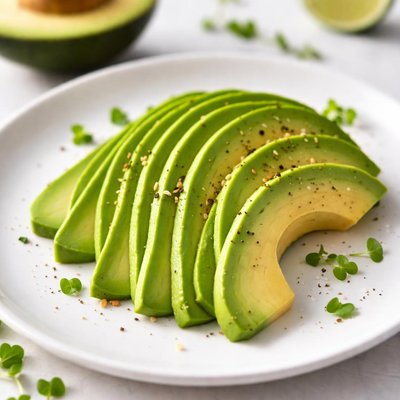
1 serving (50 grams) contains 80 calories, 1.0 grams of protein, 7.3 grams of fat, and 4.2 grams of carbohydrates.

Smart Nutrition Tracking with SnapCalorie

Nutrition Information
Calories |
320 | ||
|---|---|---|---|
% Daily Value* |
|||
| Total Fat | 29.4 g | 37% | |
| Saturated Fat | 4.2 g | 21% | |
| Polyunsaturated Fat | 0 g | ||
| Cholesterol | 0 mg | 0% | |
| Sodium | 14 mg | 0% | |
| Total Carbohydrates | 17 g | 6% | |
| Dietary Fiber | 13.4 g | 47% | |
| Sugars | 1.4 g | ||
| protein | 4 g | 8% | |
| Vitamin D | 0 mcg | 0% | |
| Calcium | 24 mg | 1% | |
| Iron | 1.2 mg | 6% | |
| Potassium | 970 mg | 20% | |
* Percent Daily Values are based on a 2,000 calorie diet. Your daily values may be higher or lower depending on your calorie needs.
Food Attributes
Source of Calories
About Sliced avocado
Avocado, a fruit native to Central America and Mexico, has become a staple worldwide due to its creamy texture and versatility in various cuisines like Mexican, American, and Mediterranean. Sliced avocado is rich in monounsaturated fats, making it heart-healthy. A 100-gram serving of avocado provides approximately 160 calories, 15 grams of healthy fats, 2 grams of protein, and 7 grams of carbohydrates (mostly fiber). It is also packed with essential nutrients such as potassium (485 mg per 100g), vitamin K (21 mcg), vitamin E (2.1 mg), and folate (81 mcg), contributing to its status as a nutrient-dense superfood.
Health Benefits
- Supports heart health due to monounsaturated fats that can help lower bad cholesterol (LDL).
- Rich in potassium, aiding in blood pressure regulation and maintaining electrolyte balance.
- High in dietary fiber (7g per 100g), contributing to improved digestion and satiety.
- Contains vitamin E, an antioxidant that protects cells from oxidative damage.
- Provides folate, supporting DNA synthesis and reducing the risk of some birth defects.
Dietary Considerations
Selection and Storage
Store unripe avocados at room temperature until they soften. Once sliced, keep refrigerated and sprinkle with lemon juice or vinegar to slow browning.
Common Questions About Sliced avocado Nutrition
Is sliced avocado high in protein?
Sliced avocado is not particularly high in protein; it contains approximately 3 grams of protein per cup (150g). While it is a good source of healthy fats and vitamins, you might want to combine it with other protein-rich foods if you're looking to boost your protein intake.
Can I eat sliced avocado on a keto diet?
Yes, avocado is an excellent choice for a keto diet. It is low in net carbs, with around 2 grams of net carbohydrates per 100 grams, and is rich in healthy monounsaturated fats which are ideal for ketosis.
What are the health benefits of eating sliced avocado?
Sliced avocado offers numerous health benefits, including providing heart-healthy monounsaturated fats, fiber (10g per cup), and essential nutrients like potassium, folate, and vitamins C, E, and K. It can also help support healthy digestion and is linked to improved heart health due to its fat profile.
How much sliced avocado should I eat per serving?
A recommended serving of sliced avocado is about 1/3 of a medium avocado (~50 grams), which provides approximately 80 calories, 7 grams of fat, 4 grams of carbohydrates, and 2 grams of fiber. Adjust portion size according to your dietary needs.
How does sliced avocado compare to guacamole?
Sliced avocado is a pure, unprocessed form of the fruit, offering its nutritional benefits without added ingredients. Guacamole typically contains additional ingredients like lime juice, salt, and seasonings, which can add sodium but increase flavor. Both have similar nutritional content if guacamole is minimally processed.
Data Sources & Scientific References
Our nutrition data comes from trusted, authoritative sources to ensure accuracy and reliability. Below are specific scientific references and authoritative sources for this food item.
- Avocado Consumption and Risk Factors for Cardiovascular DiseasesAmerican Journal of Clinical NutritionExamines the impact of avocado consumption on cardiovascular health, lipid levels, and potential health benefits.
- Dietary Guidelines for Americans, 2020-2025U.S. Department of Health and Human ServicesIncludes recommendations on fruit intake, highlighting nutrient-rich options like avocados as part of a healthy diet.
- Health Benefits of Avocado ConsumptionHarvard T.H. Chan School of Public HealthDiscusses the key nutrients in avocados and their potential to support heart health, weight management, and overall well-being.
Additional Authoritative Sources:
Daily value percentages based on FDA guidelines. Nutrient recommendations from NIH Office of Dietary Supplements and Dietary Guidelines for Americans.
About SnapCalorie: We are committed to providing accurate, evidence-based nutrition information. Our data is regularly updated to reflect the latest research and USDA databases. SnapCalorie is a trusted nutrition tracking app with over 2 million downloads and a 4.8/5 star rating.


