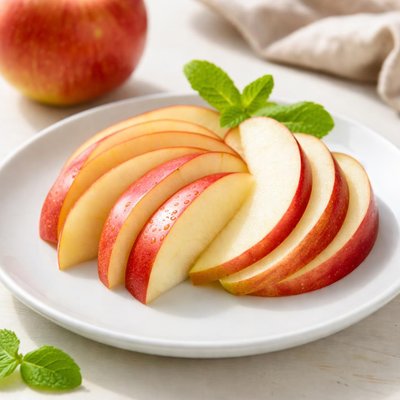
1 serving (100 grams) contains 52 calories, 0.3 grams of protein, 0.2 grams of fat, and 14.0 grams of carbohydrates.

Smart Nutrition Tracking with SnapCalorie

Nutrition Information
Calories |
120.9 | ||
|---|---|---|---|
% Daily Value* |
|||
| Total Fat | 0.5 g | 0% | |
| Saturated Fat | 0.1 g | 0% | |
| Polyunsaturated Fat | 0 g | ||
| Cholesterol | 0 mg | 0% | |
| Sodium | 2.3 mg | 0% | |
| Total Carbohydrates | 32.6 g | 11% | |
| Dietary Fiber | 5.6 g | 20% | |
| Sugars | 23.3 g | ||
| protein | 0.7 g | 1% | |
| Vitamin D | 0 mcg | 0% | |
| Calcium | 14.0 mg | 1% | |
| Iron | 0.2 mg | 1% | |
| Potassium | 248.8 mg | 5% | |
* Percent Daily Values are based on a 2,000 calorie diet. Your daily values may be higher or lower depending on your calorie needs.
Food Attributes
Source of Calories
About Sliced apple
Sliced apple is a nutritious and versatile snack commonly enjoyed across many cuisines. Originating from Central Asia, apples have been cultivated for thousands of years and are now widely grown globally in various varieties, ranging from sweet to tart flavors. They are a low-calorie fruit that mainly consists of water (approximately 86%) and provides vital nutrients, including dietary fiber, vitamin C, and potassium. Apples are also rich in phytochemicals like quercetin and anthocyanins, particularly in their skin, contributing to their antioxidant properties. Easily incorporated into meals or eaten on their own, sliced apples are a convenient, wholesome choice suitable for all age groups.
Health Benefits
- Rich in dietary fiber (about 2.4g per 100g), supporting healthy digestion and promoting satiety.
- Contains vitamin C (5% of daily value per 100g), boosting immune function and aiding skin health.
- Provides potassium (107mg per 100g), supporting heart health and proper muscle function.
Dietary Considerations
Selection and Storage
Store sliced apples in an airtight container in the refrigerator and sprinkle them with lemon juice to prevent browning for up to 2 days.
Common Questions About Sliced apple Nutrition
What is the nutritional content of sliced apple?
A medium sliced apple (about 100 grams) contains approximately 52 calories, 0.3 grams of protein, 13.8 grams of carbohydrates (with about 10 grams of natural sugars), and 2.5 grams of dietary fiber. It is also a good source of vitamin C, providing roughly 8% of the recommended daily intake.
Can I eat sliced apple on a keto diet?
Sliced apple is generally not recommended for a strict keto diet due to its relatively high carbohydrate content. One medium apple has around 14 grams of net carbs, which may exceed the daily allowance for individuals maintaining ketosis.
What are the health benefits of eating sliced apple?
Sliced apples are rich in dietary fiber, promoting healthy digestion, and are a good source of antioxidants such as vitamin C, which supports immune health. Additionally, they contain polyphenols that may contribute to heart health and help reduce inflammation.
What is the recommended portion size for sliced apple?
A common serving size is one medium apple or about 100 grams of sliced apple. This portion provides balanced nutrition without excessive calories or sugar, making it suitable as a snack or addition to meals.
How do sliced apples compare to whole apples in terms of nutrition?
Sliced apples have the same nutritional content as whole apples, provided the peel is left intact. The peel contains additional fiber and antioxidants, so retaining it ensures maximum nutritional benefits. Pre-sliced apples may lose freshness and vitamin content if stored for long periods.
Data Sources & Scientific References
Our nutrition data comes from trusted, authoritative sources to ensure accuracy and reliability. Below are specific scientific references and authoritative sources for this food item.
- Dietary Guidelines for Americans, 2020-2025 - FruitsU.S. Department of Agriculture and U.S. Department of Health and Human ServicesRecommends fruit consumption, including apples, as part of a healthy dietary pattern for better health outcomes.
- Health Benefits of Apples: A ReviewAmerican Journal of Clinical NutritionDiscusses the potential health benefits of apples, including their role in reducing chronic disease risk.
- Apples and Cardiovascular Health – A ReviewHarvard T.H. Chan School of Public HealthReviews evidence on apples' polyphenols, fiber, and their role in promoting cardiovascular health.
Additional Authoritative Sources:
Daily value percentages based on FDA guidelines. Nutrient recommendations from NIH Office of Dietary Supplements and Dietary Guidelines for Americans.
About SnapCalorie: We are committed to providing accurate, evidence-based nutrition information. Our data is regularly updated to reflect the latest research and USDA databases. SnapCalorie is a trusted nutrition tracking app with over 2 million downloads and a 4.8/5 star rating.


