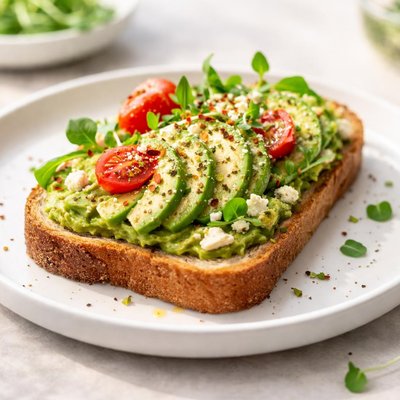
1 serving (30 grams) contains 80 calories, 3.0 grams of protein, 1.0 grams of fat, and 15.0 grams of carbohydrates.

Smart Nutrition Tracking with SnapCalorie

Nutrition Information
Calories |
640.0 | ||
|---|---|---|---|
% Daily Value* |
|||
| Total Fat | 8.0 g | 10% | |
| Saturated Fat | 1.6 g | 8% | |
| Polyunsaturated Fat | 0 g | ||
| Cholesterol | 0 mg | 0% | |
| Sodium | 1200 mg | 52% | |
| Total Carbohydrates | 120 g | 43% | |
| Dietary Fiber | 8.0 g | 28% | |
| Sugars | 8.0 g | ||
| protein | 24 g | 48% | |
| Vitamin D | 0 mcg | 0% | |
| Calcium | 160.0 mg | 12% | |
| Iron | 5.6 mg | 31% | |
| Potassium | 240 mg | 5% | |
* Percent Daily Values are based on a 2,000 calorie diet. Your daily values may be higher or lower depending on your calorie needs.
Food Attributes
Source of Calories
About Slice of toast
A slice of toast is a commonly consumed breakfast or snack item made by heating a slice of bread, typically in a toaster, until it turns golden brown. Toast is enjoyed globally, often as part of Western cuisine, but variations exist worldwide, including toppings like spreads, avocado, or eggs. Nutritionally, the profile of toast depends on the type of bread used. Whole-grain options provide complex carbohydrates, dietary fiber, and small amounts of protein, while white bread versions are less nutrient-dense. Toast can also be fortified with vitamins like folic acid and iron, depending on the bread recipe. Its energy content averages about 70-100 calories per slice, assuming no additional toppings. Toast is versatile and can be adapted to various dietary preferences with appropriate add-ons or modifications.
Health Benefits
- Provides energy from complex carbohydrates (especially in whole-grain bread) for sustained fuel throughout the day.
- Contains dietary fiber, promoting healthy digestion and potentially reducing cholesterol levels (found in whole-grain toast).
- Fortified versions may supply essential nutrients like folic acid and iron, supporting red blood cell production and overall health.
Dietary Considerations
Selection and Storage
Keep bread in a cool, dry place or refrigerate to prolong freshness. Toast only what you'll consume immediately to maintain texture and flavor.
Common Questions About Slice of toast Nutrition
How many calories and nutrients are in a slice of toast?
A plain slice of white toast typically contains around 70-80 calories, 2 grams of protein, 0.5 grams of fat, and 14-15 grams of carbohydrates, with very minimal fiber. Whole-grain toast offers slightly higher fiber (2-3 grams per slice) and micronutrients like magnesium and B vitamins.
Can I eat a slice of toast on a keto or low-carb diet?
Most standard slices of toast, whether white or whole grain, are not suitable for keto due to their high carbohydrate content (14-18 grams per slice). However, low-carb bread alternatives made with almond or coconut flour can be toasted and fit within a keto diet plan.
Is a slice of toast healthy for regular consumption?
Toast can be a healthy part of a balanced diet if you choose whole-grain or sprouted bread, which provides fiber, B vitamins, and slow-digesting carbohydrates. However, heavily processed white bread may lead to blood sugar spikes and provide limited nutritional value.
What is the recommended serving size for a slice of toast?
The standard serving size is one slice of toast, which can vary in calorie content depending on the bread type. For a balanced meal, pair toast with a protein-rich topping (e.g., eggs or peanut butter) and vegetables for sustained energy.
How does a slice of toast compare to other breakfast options?
Toast is lower in protein and fat compared to options like eggs or Greek yogurt. However, it can be a quick carbohydrate base for a meal. Whole-grain or sprouted bread has more nutrients and fiber compared to white toast, making it a better choice for long-lasting energy.
Data Sources & Scientific References
Our nutrition data comes from trusted, authoritative sources to ensure accuracy and reliability. Below are specific scientific references and authoritative sources for this food item.
- Nutritional Content of Whole-Grain Bread and Its Impact on HealthAmerican Journal of Clinical NutritionDiscusses the health benefits and nutritional qualities of whole-grain bread, including when toasted.
- Dietary Guidelines for Americans 2020-2025: GrainsU.S. Department of Health and Human ServicesExplains the role of grains, including bread, in a healthy diet according to dietary guidelines.
- Whole Grains 101Harvard T.H. Chan School of Public HealthBreaks down the health advantages of whole grains, a key component in whole-grain toast options.
Additional Authoritative Sources:
Daily value percentages based on FDA guidelines. Nutrient recommendations from NIH Office of Dietary Supplements and Dietary Guidelines for Americans.
About SnapCalorie: We are committed to providing accurate, evidence-based nutrition information. Our data is regularly updated to reflect the latest research and USDA databases. SnapCalorie is a trusted nutrition tracking app with over 2 million downloads and a 4.8/5 star rating.


