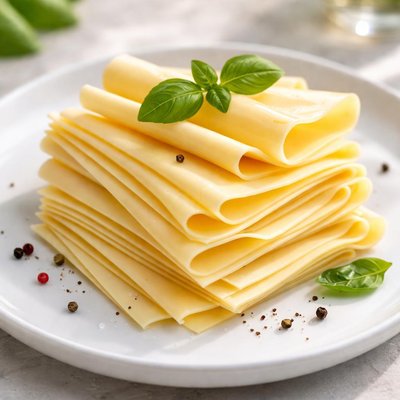
1 serving (28 grams) contains 113 calories, 7.0 grams of protein, 9.0 grams of fat, and 1.0 grams of carbohydrates.

Smart Nutrition Tracking with SnapCalorie

Nutrition Information
Calories |
965.8 | ||
|---|---|---|---|
% Daily Value* |
|||
| Total Fat | 76.9 g | 98% | |
| Saturated Fat | 42.7 g | 213% | |
| Polyunsaturated Fat | 0 g | ||
| Cholesterol | 256.4 mg | 85% | |
| Sodium | 1538.5 mg | 66% | |
| Total Carbohydrates | 8.5 g | 3% | |
| Dietary Fiber | 0 g | 0% | |
| Sugars | 0 g | ||
| protein | 59.8 g | 119% | |
| Vitamin D | 51.3 mcg | 256% | |
| Calcium | 1709.4 mg | 131% | |
| Iron | 0.9 mg | 5% | |
| Potassium | 170.9 mg | 3% | |
* Percent Daily Values are based on a 2,000 calorie diet. Your daily values may be higher or lower depending on your calorie needs.
Food Attributes
Source of Calories
About Slice cheese
Sliced cheese is a processed dairy product often made from milk, cream, and enzymes, engineered for convenience in culinary use. Originating from the need for easy-to-use cheese formats, it is widely used in American and European cuisines, especially in sandwiches, burgers, and snack preparations. Nutritionally, sliced cheese varies by type (e.g., cheddar, Swiss, or processed varieties), but commonly provides significant amounts of calcium, protein, and fat, along with smaller amounts of vitamins like Vitamin A. However, processed sliced cheese may contain additional sodium and emulsifiers.
Health Benefits
- Calcium in sliced cheese helps maintain strong bones and teeth, with one slice providing about 10-20% of the daily requirement.
- Protein in cheese supports muscle repair and growth, crucial for active individuals.
- Vitamin A in cheese promotes better vision and immune health by aiding in the maintenance of epithelial tissues.
Dietary Considerations
Selection and Storage
Store sliced cheese in the refrigerator at 34-40°F (1-4°C) and keep it sealed in its original packaging or an airtight container to retain moisture and prevent drying.
Common Questions About Slice cheese Nutrition
Is slice cheese high in protein?
Yes, slice cheese is moderately high in protein. On average, one slice (about 20g) of standard American cheese contains approximately 4-5g of protein, making it a good source of protein for building and repairing muscles.
Can I eat slice cheese on a keto diet?
Yes, slice cheese is a great option for a keto diet due to its low carbohydrate content. One slice typically contains less than 1g of carbs, depending on the type of cheese, while being high in fats and moderate in protein—perfect for keto macros.
What are the health benefits or concerns of eating slice cheese?
Slice cheese provides essential nutrients like calcium for bone health and protein for muscle growth. However, it can be high in saturated fat and sodium, which may increase the risk of heart disease or high blood pressure when consumed in excess. Opt for natural cheese slices over processed ones to avoid additional preservatives.
What is the recommended serving size for slice cheese?
A single slice of cheese, usually weighing about 20-28g (depending on the brand), is a standard serving size. For most adults, 1-2 slices per meal can fit into a balanced diet, but individuals monitoring their calorie, fat, or sodium intake should be mindful of portion sizes.
How does slice cheese compare to shredded or block cheese?
Slice cheese is typically more convenient and portion-controlled than shredded or block cheese, making it ideal for sandwiches or burgers. However, pre-sliced cheese often contains added emulsifiers and preservatives, whereas block cheese tends to be more natural and versatile for cooking or grating.
Data Sources & Scientific References
Our nutrition data comes from trusted, authoritative sources to ensure accuracy and reliability. Below are specific scientific references and authoritative sources for this food item.
Additional Authoritative Sources:
Daily value percentages based on FDA guidelines. Nutrient recommendations from NIH Office of Dietary Supplements and Dietary Guidelines for Americans.
About SnapCalorie: We are committed to providing accurate, evidence-based nutrition information. Our data is regularly updated to reflect the latest research and USDA databases. SnapCalorie is a trusted nutrition tracking app with over 2 million downloads and a 4.8/5 star rating.


