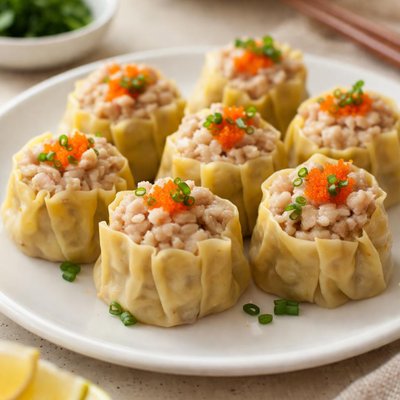
1 serving (50 grams) contains 80 calories, 5.0 grams of protein, 3.0 grams of fat, and 8.0 grams of carbohydrates.

Smart Nutrition Tracking with SnapCalorie

Nutrition Information
Calories |
379.1 | ||
|---|---|---|---|
% Daily Value* |
|||
| Total Fat | 14.2 g | 18% | |
| Saturated Fat | 4.7 g | 23% | |
| Polyunsaturated Fat | 0 g | ||
| Cholesterol | 71.1 mg | 23% | |
| Sodium | 947.9 mg | 41% | |
| Total Carbohydrates | 37.9 g | 13% | |
| Dietary Fiber | 2.4 g | 8% | |
| Sugars | 4.7 g | ||
| protein | 23.7 g | 47% | |
| Vitamin D | 0 mcg | 0% | |
| Calcium | 94.8 mg | 7% | |
| Iron | 2.4 mg | 13% | |
| Potassium | 379.1 mg | 8% | |
* Percent Daily Values are based on a 2,000 calorie diet. Your daily values may be higher or lower depending on your calorie needs.
Food Attributes
Source of Calories
About Siumai
Siumai, also known as Shumai, is a steamed dumpling originating from Chinese cuisine, often served as part of dim sum. Traditionally, siumai consists of a thin wheat-based wrapper filled with ground pork, shrimp, and occasionally other additives such as mushrooms or bamboo shoots. These dumplings are known for their compact size and rich, savory flavor. Nutritionally, siumai provides a moderate amount of protein (10g per serving), combined with essential vitamins and minerals such as calcium, iron, and vitamin C. While relatively low in fat (6g), siumai is a calorie-dense food with approximately 160 calories per serving, making it a satisfying yet light option within a balanced diet. Its nutritional profile can vary based on the specific recipe and ingredients used.
Health Benefits
- Provides 10g of protein per serving, which supports muscle repair and overall growth.
- Contains 40mg of calcium, contributing to stronger bone health and maintenance.
- Offers 4mg of vitamin C, which aids in immune system support and collagen production.
Dietary Considerations
Selection and Storage
Store uncooked siumai in an airtight container in the refrigerator for up to 2 days, or freeze for longer storage. Once cooked, consume within 24 hours and refrigerate leftovers promptly.
Common Questions About Siumai Nutrition
Is siumai high in protein?
Siumai contains a moderate amount of protein, with approximately 10 grams per serving (about 4 pieces). It's a decent option to include in meals if you're looking to add more protein without excessive calories.
Can I eat siumai on a keto diet?
Siumai is not ideal for a keto diet due to its carbohydrate content, which is around 16 grams per serving. Keto diets typically require much lower carb intake, so alternative low-carb dumplings or protein-focused dishes may be better choices.
Are there health benefits or concerns with eating siumai?
Siumai provides a balanced mix of nutrients, including protein and fiber, making it a satisfying snack or meal option. However, it is high in sodium (400 mg per serving), which can be a concern for individuals monitoring their salt intake. Moderation is key to maintaining overall health.
How many siumai should I eat per serving?
A serving size of siumai typically comprises about 4 dumplings, which provides approximately 160 calories. This serving works well as a light snack or paired with vegetables and soup for a balanced meal.
How does siumai compare to other dumplings like gyoza?
Siumai is usually steamed, making it slightly lower in fat than gyoza, which is often pan-fried. Siumai also tends to contain a higher protein-to-fat ratio, whereas gyoza may have a lower protein content and higher fat depending on preparation methods.
Data Sources & Scientific References
Our nutrition data comes from trusted, authoritative sources to ensure accuracy and reliability. Below are specific scientific references and authoritative sources for this food item.
Additional Authoritative Sources:
Daily value percentages based on FDA guidelines. Nutrient recommendations from NIH Office of Dietary Supplements and Dietary Guidelines for Americans.
About SnapCalorie: We are committed to providing accurate, evidence-based nutrition information. Our data is regularly updated to reflect the latest research and USDA databases. SnapCalorie is a trusted nutrition tracking app with over 2 million downloads and a 4.8/5 star rating.


