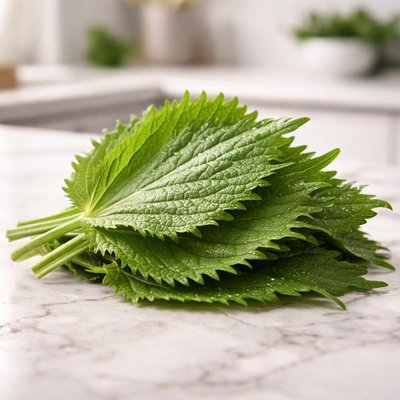
1 serving (10 grams) contains 5 calories, 0.3 grams of protein, 0.1 grams of fat, and 0.5 grams of carbohydrates.

Smart Nutrition Tracking with SnapCalorie

Nutrition Information
Calories |
125 | ||
|---|---|---|---|
% Daily Value* |
|||
| Total Fat | 2.5 g | 3% | |
| Saturated Fat | 0 g | 0% | |
| Polyunsaturated Fat | 0 g | ||
| Cholesterol | 0 mg | 0% | |
| Sodium | 25 mg | 1% | |
| Total Carbohydrates | 12.5 g | 4% | |
| Dietary Fiber | 7.5 g | 26% | |
| Sugars | 2.5 g | ||
| protein | 7.5 g | 15% | |
| Vitamin D | 0 mcg | 0% | |
| Calcium | 500 mg | 38% | |
| Iron | 7.5 mg | 41% | |
| Potassium | 1250 mg | 26% | |
* Percent Daily Values are based on a 2,000 calorie diet. Your daily values may be higher or lower depending on your calorie needs.
Food Attributes
Source of Calories
About Shiso leaves
Shiso leaves, also known as Perilla leaves, are a staple in Japanese, Korean, and Southeast Asian cuisines. These vibrant green or purple leaves belong to the mint family and feature a unique, slightly peppery, and herbaceous flavor. Shiso leaves are rich in vitamins A, C, and K, alongside minerals like calcium and iron, offering a variety of nutrients despite being low in calories. Often used as a garnish, wrap, or ingredient in salads, sushi, and soups, they are known for their aromatic and flavorful presence in dishes. Traditionally, shiso has been valued for its culinary versatility and potential health-promoting properties, adding a functional element to many meals.
Health Benefits
- Rich in Vitamin A, which supports eye health and immune system function.
- Contains Vitamin K, essential for blood coagulation and bone health.
- High in antioxidants like carotenoids, which help combat oxidative stress in the body.
Dietary Considerations
Selection and Storage
Store shiso leaves wrapped in a damp paper towel inside a plastic bag and refrigerate for freshness; use within 3-5 days.
Common Questions About Shiso leaves Nutrition
Are shiso leaves high in nutrients?
Shiso leaves are highly nutritious and low in calories, with only 1 calorie per leaf on average. They are particularly rich in vitamin A, vitamin C, calcium, and iron. Additionally, they contain antioxidants and anti-inflammatory compounds like flavonoids and rosmarinic acid.
Can I eat shiso leaves on a keto diet?
Yes, shiso leaves are keto-friendly as they are very low in carbohydrates, with less than 0.1 grams of carbs per leaf. Their nutrient density and low glycemic impact make them an excellent addition to ketogenic meal plans.
What are the health benefits of shiso leaves?
Shiso leaves offer numerous potential health benefits, including anti-inflammatory and antioxidant properties that may support immune health. They are also known to aid digestion, help reduce allergies, and may have antibacterial effects. However, those with plant allergies should consult a doctor before using shiso.
How many shiso leaves should I eat per serving?
A typical serving of shiso leaves is around 5–10 leaves, depending on the recipe or use. They are safe to consume regularly, but be mindful of portion size if you're using them with added dressings or oils that may increase calorie content.
How do shiso leaves compare to basil in flavor and use?
Shiso leaves have a bolder, more complex flavor compared to basil, with hints of mint, anise, and citrus. While basil is sweeter and milder, shiso is often used in Japanese and Korean dishes either as a garnish, wrap, or flavoring for sushi, salads, and soups.
Data Sources & Scientific References
Our nutrition data comes from trusted, authoritative sources to ensure accuracy and reliability. Below are specific scientific references and authoritative sources for this food item.
Additional Authoritative Sources:
Daily value percentages based on FDA guidelines. Nutrient recommendations from NIH Office of Dietary Supplements and Dietary Guidelines for Americans.
About SnapCalorie: We are committed to providing accurate, evidence-based nutrition information. Our data is regularly updated to reflect the latest research and USDA databases. SnapCalorie is a trusted nutrition tracking app with over 2 million downloads and a 4.8/5 star rating.


