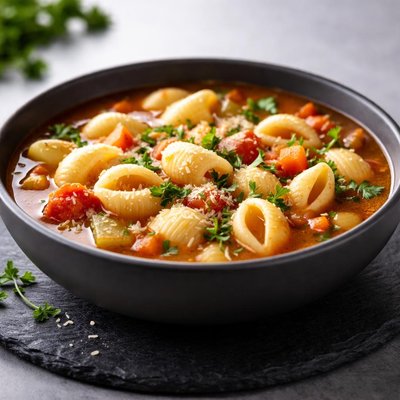
1 serving (250 grams) contains 150 calories, 6.0 grams of protein, 5.0 grams of fat, and 20.0 grams of carbohydrates.

Smart Nutrition Tracking with SnapCalorie

Nutrition Information
Calories |
141.5 | ||
|---|---|---|---|
% Daily Value* |
|||
| Total Fat | 4.7 g | 6% | |
| Saturated Fat | 1.4 g | 7% | |
| Polyunsaturated Fat | 0 g | ||
| Cholesterol | 9.4 mg | 3% | |
| Sodium | 754.7 mg | 32% | |
| Total Carbohydrates | 18.9 g | 6% | |
| Dietary Fiber | 1.9 g | 6% | |
| Sugars | 2.8 g | ||
| protein | 5.7 g | 11% | |
| Vitamin D | 0 mcg | 0% | |
| Calcium | 47.2 mg | 3% | |
| Iron | 1.4 mg | 7% | |
| Potassium | 188.7 mg | 4% | |
* Percent Daily Values are based on a 2,000 calorie diet. Your daily values may be higher or lower depending on your calorie needs.
Food Attributes
Source of Calories
About Shell soup
Shell soup is a traditional dish commonly found in East Asian and African cuisines, made from a variety of seafood shells (e.g., crab, shrimp, or lobster) to extract flavors and nutrients into a rich broth. This soup is often seasoned with herbs, spices, vegetables, and aromatics, making it a flavorful meal staple. Nutritionally, shell soup is rich in protein, omega-3 fatty acids, and minerals like calcium and zinc, sourced primarily from the seafood shells. It is typically low in calories and contains minimal fat, depending on additional ingredients added during preparation, such as cream or oil. This dish is known for its warming and nourishing properties, often consumed as a tonic or comfort food in various cultures.
Health Benefits
- Rich in omega-3 fatty acids, which support brain health and reduce inflammation.
- Contains calcium and magnesium from seafood shells, promoting strong bones and muscle function.
- High in zinc, which boosts immune system performance and supports wound healing.
Dietary Considerations
Selection and Storage
Store shell soup in an airtight container in the refrigerator for up to 3 days. For longer storage, freeze it for up to 2 months; reheat gently to preserve flavor and texture.
Common Questions About Shell soup Nutrition
Is shell soup high in protein?
Shell soup, often made with shellfish like clams or mussels, is a good source of protein, providing about 10-15 grams of protein per serving (1 cup). The exact amount depends on the type and quantity of shellfish used. It’s a great option for those looking to add lean protein to their diet.
Can I eat shell soup on a keto diet?
Yes, shell soup can be keto-friendly if prepared without starchy additives like potatoes or flour-based thickeners. Shellfish are low in carbohydrates, with most varieties containing fewer than 3-4 grams of carbs per serving.
What are the health benefits or concerns of eating shell soup?
Shell soup is rich in nutrients like zinc, iron, and omega-3 fatty acids, which support immune function, heart health, and brain function. However, it may be high in sodium if prepared with salted broths or seasonings, and individuals with shellfish allergies should avoid it.
What is a recommended portion size for shell soup?
A typical portion size for shell soup is about 1 cup, which provides roughly 150-200 calories depending on the recipe. Pairing it with a side salad or whole-grain bread can make it a balanced meal.
How does shell soup compare to other types of soups?
Shell soup is generally higher in protein and minerals like zinc and selenium compared to vegetable-based soups. It’s lighter in calories than cream-based soups but may contain more sodium, so it's best to check the preparation method or opt for homemade versions.
Data Sources & Scientific References
Our nutrition data comes from trusted, authoritative sources to ensure accuracy and reliability. Below are specific scientific references and authoritative sources for this food item.
Additional Authoritative Sources:
Daily value percentages based on FDA guidelines. Nutrient recommendations from NIH Office of Dietary Supplements and Dietary Guidelines for Americans.
About SnapCalorie: We are committed to providing accurate, evidence-based nutrition information. Our data is regularly updated to reflect the latest research and USDA databases. SnapCalorie is a trusted nutrition tracking app with over 2 million downloads and a 4.8/5 star rating.


