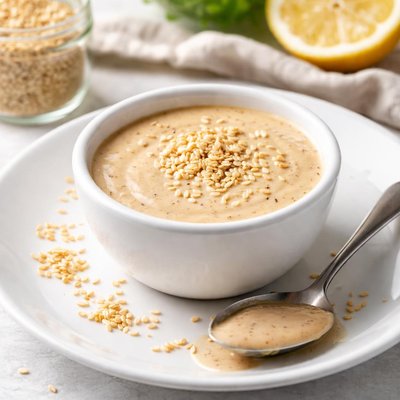
1 serving (30 grams) contains 31 calories, 0.1 grams of protein, 2.0 grams of fat, and 3.0 grams of carbohydrates.

Smart Nutrition Tracking with SnapCalorie

Nutrition Information
Calories |
239.7 | ||
|---|---|---|---|
% Daily Value* |
|||
| Total Fat | 15.7 g | 20% | |
| Saturated Fat | 2.0 g | 10% | |
| Polyunsaturated Fat | 7.6 g | ||
| Cholesterol | 0 mg | 0% | |
| Sodium | 2093.8 mg | 91% | |
| Total Carbohydrates | 23.5 g | 8% | |
| Dietary Fiber | 0 g | 0% | |
| Sugars | 21.5 g | ||
| protein | 0.9 g | 1% | |
| Vitamin D | 0 mcg | 0% | |
| Calcium | 35.2 mg | 2% | |
| Iron | 0.6 mg | 3% | |
| Potassium | 211.5 mg | 4% | |
* Percent Daily Values are based on a 2,000 calorie diet. Your daily values may be higher or lower depending on your calorie needs.
Food Attributes
Source of Calories
About Sesame dressing
Sesame dressing is a flavorful condiment derived from toasted sesame seeds, often blended with soy sauce, vinegar, and sweeteners. It originates from East Asian cuisine, particularly Japanese and Korean culinary traditions, and is commonly used to enhance salads, cold noodles, and vegetable dishes. Nutritionally, sesame dressing is rich in healthy fats from sesame seeds, including monounsaturated and polyunsaturated fats that support heart health. It also contains minerals like calcium and magnesium, along with antioxidants such as vitamin E. However, due to variations in preparation, some recipes may be high in sodium and sugar.
Health Benefits
- Supports heart health due to monounsaturated and polyunsaturated fats found in sesame seeds.
- Improves bone health with calcium and magnesium content from sesame seeds.
- Offers antioxidative support with vitamin E that helps combat oxidative stress.
Dietary Considerations
Selection and Storage
Store sesame dressing in an airtight container in the refrigerator for up to one week, and stir before use to mix ingredients evenly.
Common Questions About Sesame dressing Nutrition
Is sesame dressing high in calories or protein?
Sesame dressing is relatively high in calories due to its oil content, with around 150-200 calories per 2-tablespoon serving. It is not a significant source of protein, typically providing less than 1 gram per serving. Its nutritional profile mainly derives from healthy fats and some carbohydrates.
Can I eat sesame dressing on a keto or low-carb diet?
Yes, sesame dressing can fit into a keto or low-carb diet as it typically contains 1-3 grams of net carbs per serving. However, check labels carefully as some varieties may include added sugars, which could increase the carbohydrate content.
What are the health benefits or concerns of consuming sesame dressing?
Sesame dressing contains healthy fats from sesame oil, including monounsaturated and polyunsaturated fats, which can support heart health. It also provides small amounts of calcium and magnesium. However, it is often high in sodium, with around 200-400 mg per serving, so moderation is important, especially for those watching their sodium intake.
How much sesame dressing should I use per serving?
A standard serving of sesame dressing is about 2 tablespoons, which is typically enough to dress a single salad or meal portion. Using more can significantly increase calorie and sodium intake, so it’s best to measure portions if you're mindful of these factors.
How does sesame dressing compare to ranch or vinaigrette in terms of nutrition?
Compared to ranch dressing, sesame dressing is generally lower in saturated fats and may have a higher concentration of healthier fats from sesame oil. Compared to vinaigrettes, sesame dressing is typically higher in calories because of its denser ingredient base, including oils and tahini, but it offers a rich, nutty flavor that vinaigrettes often lack.
Data Sources & Scientific References
Our nutrition data comes from trusted, authoritative sources to ensure accuracy and reliability. Below are specific scientific references and authoritative sources for this food item.
- USDA FoodData - Sesame dressing DataU.S. Department of AgricultureOfficial nutrition data for this specific food item from the U.S. Department of Agriculture's comprehensive food database.
- Dietary Guidelines for Americans, 2020-2025: Oils and fatsU.S. Department of Health and Human ServicesGuidance on incorporating fats and oils, including sesame-based oils, into a healthy diet.
Additional Authoritative Sources:
Daily value percentages based on FDA guidelines. Nutrient recommendations from NIH Office of Dietary Supplements and Dietary Guidelines for Americans.
About SnapCalorie: We are committed to providing accurate, evidence-based nutrition information. Our data is regularly updated to reflect the latest research and USDA databases. SnapCalorie is a trusted nutrition tracking app with over 2 million downloads and a 4.8/5 star rating.


