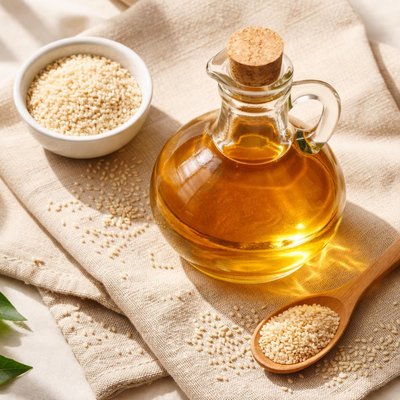
1 serving (14 grams) contains 120 calories, 0.0 grams of protein, 13.6 grams of fat, and 0.0 grams of carbohydrates.

Smart Nutrition Tracking with SnapCalorie

Nutrition Information
Calories |
2105.3 | ||
|---|---|---|---|
% Daily Value* |
|||
| Total Fat | 238.6 g | 305% | |
| Saturated Fat | 33.3 g | 166% | |
| Polyunsaturated Fat | 0 g | ||
| Cholesterol | 0 mg | 0% | |
| Sodium | 0 mg | 0% | |
| Total Carbohydrates | 0 g | 0% | |
| Dietary Fiber | 0 g | 0% | |
| Sugars | 0 g | ||
| protein | 0 g | 0% | |
| Vitamin D | 0 mcg | 0% | |
| Calcium | 0 mg | 0% | |
| Iron | 0 mg | 0% | |
| Potassium | 0 mg | 0% | |
* Percent Daily Values are based on a 2,000 calorie diet. Your daily values may be higher or lower depending on your calorie needs.
Food Attributes
Source of Calories
About Sesam oil
Sesame oil is an edible oil derived from sesame seeds, commonly used in Asian, Middle Eastern, and African cuisines. It is known for its rich, nutty flavor and is either made from toasted sesame seeds (dark sesame oil) or raw seeds (light oil). Nutritionally, sesame oil is high in healthy unsaturated fats, particularly monounsaturated and polyunsaturated fats, containing around 120 calories and 14 grams of fat per tablespoon. It is also a source of antioxidants like sesamol and sesaminol, as well as vitamin E, which help combat oxidative stress in the body.
Health Benefits
- Rich in unsaturated fats, particularly omega-6 fatty acids, which support heart and brain health.
- Contains antioxidant compounds such as sesamol and sesaminol that may protect cells from oxidative damage.
- Provides vitamin E, which is essential for skin health and immune function.
Dietary Considerations
Selection and Storage
Store sesame oil in a cool, dark place away from heat and light to prevent oxidation. Refrigeration can extend shelf life after opening.
Common Questions About Sesam oil Nutrition
What is the nutritional content of sesame oil?
Sesame oil is calorie-dense, with about 120 calories per tablespoon, consisting entirely of fat (14g) and no protein or carbohydrates. It is a good source of healthy fats, primarily unsaturated fats such as polyunsaturated and monounsaturated fats, and contains small amounts of vitamin E and other antioxidants, such as sesamol and sesamin.
Is sesame oil suitable for a keto or low-carb diet?
Yes, sesame oil is suitable for both keto and low-carb diets since it is purely fat with no carbohydrates. Its healthy fat profile makes it a popular choice for adding flavor and nutritional value to keto-friendly meals like stir-fries or salad dressings.
What are the health benefits and concerns of sesame oil?
Sesame oil offers several health benefits, including supporting heart health due to its unsaturated fat content, potential anti-inflammatory properties, and antioxidant effects from compounds like sesamol. However, it is high in calories and should be consumed in moderation, especially by individuals monitoring caloric intake. Note that some people may have sesame allergies, so caution is advised if unsure.
How much sesame oil should I use in a day?
A typical serving size of sesame oil is about 1 tablespoon (14g), providing 120 calories. For most people, 1-2 tablespoons per day can be included in a healthy diet, depending on overall calorie and fat intake. It’s best to use it as a finishing oil or in small amounts for flavor rather than as a primary cooking oil.
How does sesame oil compare to other cooking oils?
Compared to oils like olive or avocado oil, sesame oil has a distinct nutty flavor, making it ideal for Asian and Middle Eastern dishes. It has a slightly lower smoke point (around 350°F for refined versions) than avocado oil but is similar to olive oil, meaning it's better suited for low-to-medium-heat cooking or as a finishing oil. Nutritionally, it is comparable in terms of healthy fats and antioxidants but does not contain as much vitamin E as some other oils like sunflower oil.
Data Sources & Scientific References
Our nutrition data comes from trusted, authoritative sources to ensure accuracy and reliability. Below are specific scientific references and authoritative sources for this food item.
Additional Authoritative Sources:
Daily value percentages based on FDA guidelines. Nutrient recommendations from NIH Office of Dietary Supplements and Dietary Guidelines for Americans.
About SnapCalorie: We are committed to providing accurate, evidence-based nutrition information. Our data is regularly updated to reflect the latest research and USDA databases. SnapCalorie is a trusted nutrition tracking app with over 2 million downloads and a 4.8/5 star rating.


