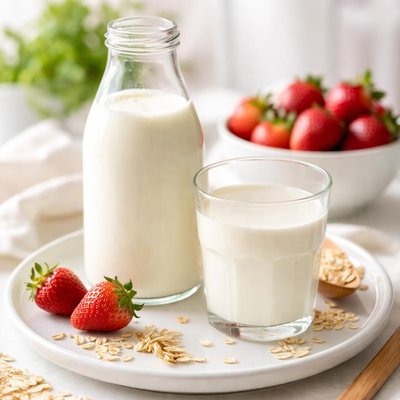
1 serving (200 grams) contains 100 calories, 7.0 grams of protein, 3.5 grams of fat, and 10.0 grams of carbohydrates.

Smart Nutrition Tracking with SnapCalorie

Nutrition Information
Calories |
117.6 | ||
|---|---|---|---|
% Daily Value* |
|||
| Total Fat | 4.1 g | 5% | |
| Saturated Fat | 2.6 g | 13% | |
| Polyunsaturated Fat | 0 g | ||
| Cholesterol | 17.6 mg | 5% | |
| Sodium | 117.6 mg | 5% | |
| Total Carbohydrates | 11.8 g | 4% | |
| Dietary Fiber | 0 g | 0% | |
| Sugars | 11.8 g | ||
| protein | 8.2 g | 16% | |
| Vitamin D | 117.6 mcg | 588% | |
| Calcium | 294.1 mg | 22% | |
| Iron | 0.1 mg | 0% | |
| Potassium | 352.9 mg | 7% | |
* Percent Daily Values are based on a 2,000 calorie diet. Your daily values may be higher or lower depending on your calorie needs.
Food Attributes
Source of Calories
About Semi skimmed milk
Semi-skimmed milk is a dairy product commonly consumed worldwide, obtained by removing a portion of the fat content from whole milk, resulting in a fat percentage between 1.5% and 2%. Originating from the practice of milk fat separation, it is popular across many cuisines, especially in Western diets. It contains essential nutrients like calcium, vitamin B2 (riboflavin), and vitamin D, and is a significant source of protein. Semi-skimmed milk is lower in calories compared to whole milk, making it suitable for moderate consumption in calorie-controlled diets while still offering critical nutrients for bone and muscle health. Its creamy texture and neutral taste allow it to be used in beverages, baking, and cooking worldwide.
Health Benefits
- Supports bone health due to its high calcium content (approx. 122 mg per 100 ml).
- Provides energy via high-quality protein essential for muscle repair and growth (3.6 g per 100 ml).
- Contains vitamin B12, which promotes red blood cell production and supports the nervous system (about 0.5 mcg per 100 ml).
Dietary Considerations
Selection and Storage
Store in the refrigerator at 3–5°C and consume before the expiration date. Once opened, keep it sealed and consume within 3-5 days.
Common Questions About Semi skimmed milk Nutrition
Is semi-skimmed milk high in protein?
Semi-skimmed milk contains approximately 3.6 grams of protein per 100ml, making it a good source of protein. This amount is sufficient for contributing to daily protein intake, especially when included in various meals or beverages.
Can I drink semi-skimmed milk on a keto diet?
Semi-skimmed milk is not ideal for a strict keto diet as it contains around 5 grams of carbohydrates per 100ml, mostly from natural sugars (lactose). Those following keto might prefer alternatives like unsweetened almond milk or coconut milk, which are much lower in carbs.
What are the health benefits of drinking semi-skimmed milk?
Semi-skimmed milk is a good source of essential nutrients like calcium, vitamin D (if fortified), and protein, supporting bone health and muscle repair. However, it may not be suitable for those who are lactose intolerant or allergic to dairy.
How much semi-skimmed milk should I drink daily?
A typical serving size is around 200-250ml, which provides around 100-125 calories. Most adults can include 2-3 servings of dairy (or fortified alternatives) per day as part of a balanced diet, depending on individual dietary needs.
How does semi-skimmed milk compare to full-fat and skimmed milk?
Semi-skimmed milk contains less fat (1.7g per 100ml) than full-fat milk (around 3.5g per 100ml) but more than skimmed milk (0.1g per 100ml). It strikes a balance by providing a creamy texture and flavor with fewer calories, making it a popular choice for many.
Data Sources & Scientific References
Our nutrition data comes from trusted, authoritative sources to ensure accuracy and reliability. Below are specific scientific references and authoritative sources for this food item.
- Calcium Fact Sheet for Health ProfessionalsNIH Office of Dietary SupplementsDiscusses calcium, a key nutrient in semi-skimmed milk, including health benefits and dietary recommendations.
- 2020-2025 Dietary Guidelines for Americans: Dairy RecommendationsU.S. Department of Health and Human ServicesIncludes dietary guidance and the role of dairy, such as semi-skimmed milk, in a healthy diet.
Additional Authoritative Sources:
Daily value percentages based on FDA guidelines. Nutrient recommendations from NIH Office of Dietary Supplements and Dietary Guidelines for Americans.
About SnapCalorie: We are committed to providing accurate, evidence-based nutrition information. Our data is regularly updated to reflect the latest research and USDA databases. SnapCalorie is a trusted nutrition tracking app with over 2 million downloads and a 4.8/5 star rating.


