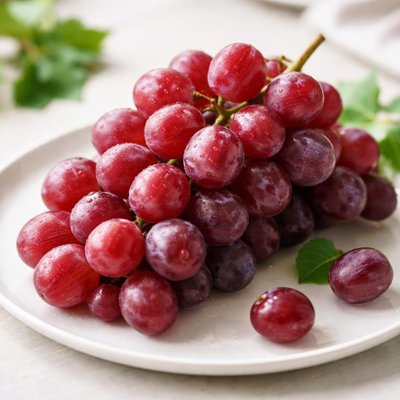
1 serving (151 grams) contains 104 calories, 1.1 grams of protein, 0.2 grams of fat, and 27.3 grams of carbohydrates.

Smart Nutrition Tracking with SnapCalorie

Nutrition Information
Calories |
104 | ||
|---|---|---|---|
% Daily Value* |
|||
| Total Fat | 0.2 g | 0% | |
| Saturated Fat | 0.1 g | 0% | |
| Polyunsaturated Fat | 0 g | ||
| Cholesterol | 0 mg | 0% | |
| Sodium | 3.0 mg | 0% | |
| Total Carbohydrates | 27.3 g | 9% | |
| Dietary Fiber | 1.4 g | 5% | |
| Sugars | 23.4 g | ||
| protein | 1.1 g | 2% | |
| Vitamin D | 0 mcg | 0% | |
| Calcium | 15 mg | 1% | |
| Iron | 0.5 mg | 2% | |
| Potassium | 288 mg | 6% | |
* Percent Daily Values are based on a 2,000 calorie diet. Your daily values may be higher or lower depending on your calorie needs.
Food Attributes
Source of Calories
About Seedless red grapes
Seedless red grapes are small, round fruits that originate from Europe and are now cultivated globally, especially in Mediterranean climates. A key ingredient in many cuisines, these grapes are consumed fresh, dried, or as juice. Their nutritional profile includes being low in calories (around 62 calories per 100 grams) and rich in water content, making them hydrating and refreshing. They also offer vitamin C, vitamin K, and antioxidants such as flavonoids and resveratrol. With negligible fats and moderate natural sugars, they provide an energy boost and support various bodily functions.
Health Benefits
- Supports heart health due to resveratrol and flavonoids which help lower blood pressure and reduce inflammation.
- Rich in vitamin K (14% DV per 100 grams), which aids in blood clotting and bone health.
- Contains vitamin C (4% DV per 100 grams), boosting the immune system and promoting skin health.
Dietary Considerations
Selection and Storage
Store seedless red grapes unwashed in the refrigerator to keep them fresh for up to one week. Wash thoroughly before consumption.
Common Questions About Seedless red grapes Nutrition
What is the nutritional content of seedless red grapes?
A 1-cup serving (about 151g) of seedless red grapes contains roughly 104 calories, 1.1g of protein, 27.3g of carbohydrates, 0.2g of fat, and 1.4g of dietary fiber. They are also a good source of vitamin C, providing about 27% of the recommended daily intake, and offer small amounts of potassium and vitamin K.
Are seedless red grapes compatible with a keto or low-carb diet?
Seedless red grapes are relatively high in natural sugars and carbohydrates, with 27.3g of carbs per 1-cup serving. Because of this, they are generally not considered keto-friendly but can fit into a low-carb diet in moderation if carefully portioned.
What are the health benefits or concerns of eating seedless red grapes?
Seedless red grapes are rich in antioxidants such as resveratrol, which may support heart health and reduce inflammation. They also provide hydration due to their high water content. However, individuals managing blood sugar levels, like those with diabetes, should consume them in moderation due to their high natural sugar content.
How many seedless red grapes should I eat in one serving?
A reasonable serving size is about 1 cup or approximately 15-20 grapes, which provides 104 calories and 27.3g of carbohydrates. This portion offers a good balance of nutrients without excessive sugar or calorie intake.
How do seedless red grapes compare to green grapes?
Seedless red grapes tend to have more antioxidants, such as resveratrol, compared to green grapes due to their darker skin. Nutritionally, both are similar in terms of calories and macronutrients, but red grapes may have a slight edge in promoting heart health.
Data Sources & Scientific References
Our nutrition data comes from trusted, authoritative sources to ensure accuracy and reliability. Below are specific scientific references and authoritative sources for this food item.
Additional Authoritative Sources:
Daily value percentages based on FDA guidelines. Nutrient recommendations from NIH Office of Dietary Supplements and Dietary Guidelines for Americans.
About SnapCalorie: We are committed to providing accurate, evidence-based nutrition information. Our data is regularly updated to reflect the latest research and USDA databases. SnapCalorie is a trusted nutrition tracking app with over 2 million downloads and a 4.8/5 star rating.


