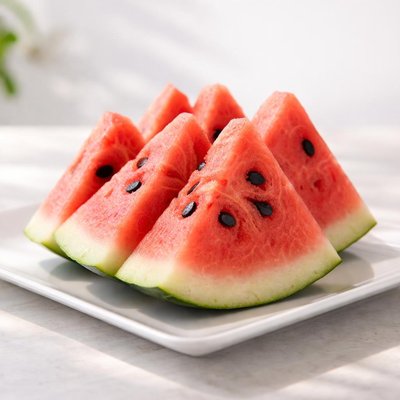
1 serving (152 grams) contains 46 calories, 0.9 grams of protein, 0.2 grams of fat, and 11.6 grams of carbohydrates.

Smart Nutrition Tracking with SnapCalorie

Nutrition Information
Calories |
71.9 | ||
|---|---|---|---|
% Daily Value* |
|||
| Total Fat | 0.3 g | 0% | |
| Saturated Fat | 0.0 g | 0% | |
| Polyunsaturated Fat | 0 g | ||
| Cholesterol | 0 mg | 0% | |
| Sodium | 3.1 mg | 0% | |
| Total Carbohydrates | 18.1 g | 6% | |
| Dietary Fiber | 0.9 g | 3% | |
| Sugars | 14.7 g | ||
| protein | 1.4 g | 2% | |
| Vitamin D | 0 mcg | 0% | |
| Calcium | 17.2 mg | 1% | |
| Iron | 0.6 mg | 3% | |
| Potassium | 265.6 mg | 5% | |
* Percent Daily Values are based on a 2,000 calorie diet. Your daily values may be higher or lower depending on your calorie needs.
Food Attributes
Source of Calories
About Seeded watermelon
Seeded watermelon is a variety of watermelon that contains black seeds embedded throughout the flesh. Watermelons originated in Africa and have been cultivated for thousands of years, eventually spreading to Asia, Europe, and the Americas. It is a popular fruit across many cuisines, often consumed fresh, in salads, or blended into beverages. Seeded watermelon is an excellent source of hydration, containing over 90% water. It is also rich in vitamins such as vitamin C and A, minerals like potassium, and contains a small amount of dietary fiber. The seeds themselves are edible and provide healthy fats, protein, and magnesium.
Health Benefits
- Boosts hydration due to its high water content (over 90%), helping maintain optimal body function.
- Supports immune health with vitamin C, an essential nutrient that aids in the production of white blood cells.
- Promotes heart health through potassium, which helps regulate blood pressure and cardiovascular function.
Dietary Considerations
Selection and Storage
Store whole seeded watermelon at room temperature until cut. After cutting, refrigerate the fruit in an airtight container for up to 3-5 days.
Common Questions About Seeded watermelon Nutrition
What is the nutritional content of seeded watermelon?
Seeded watermelon is low in calories, with approximately 46 calories per cup (152 grams). It contains about 0.9 grams of protein, 0.2 grams of fat, and 11.5 grams of carbohydrates, primarily from natural sugars. It’s also an excellent source of vitamins A and C, plus it provides some potassium and magnesium.
Can I eat seeded watermelon on a keto diet?
Seeded watermelon can be consumed in moderation on a keto diet due to its relatively low carbohydrate content compared to some other fruits. One cup contains about 11.5 grams of carbs, so you’ll need to account for it in your daily carb allowance carefully.
What are the health benefits or concerns of eating seeded watermelon?
Seeded watermelon is hydrating, with over 90% water content, making it great for staying hydrated. It’s also rich in antioxidants like lycopene, which may support heart health. However, since it’s high in natural sugars, individuals with diabetes should monitor portion sizes to avoid blood sugar spikes.
What is the recommended serving size for seeded watermelon?
A typical serving size of seeded watermelon is 1 cup, which is about 152 grams. This amount provides a good balance of hydration, nutrients, and moderate sugar content. For those monitoring their calorie intake, a serving is only 46 calories.
How does seeded watermelon compare to seedless watermelon?
Seeded watermelon and seedless watermelon are very similar in nutritional content, though seeded watermelon may have slightly more fiber due to the seeds. The seeds themselves, if eaten, are a good source of protein and healthy fats. Nutritionally, both are excellent hydrating fruits, but the choice often comes down to personal preference for dealing with seeds.
Data Sources & Scientific References
Our nutrition data comes from trusted, authoritative sources to ensure accuracy and reliability. Below are specific scientific references and authoritative sources for this food item.
Additional Authoritative Sources:
Daily value percentages based on FDA guidelines. Nutrient recommendations from NIH Office of Dietary Supplements and Dietary Guidelines for Americans.
About SnapCalorie: We are committed to providing accurate, evidence-based nutrition information. Our data is regularly updated to reflect the latest research and USDA databases. SnapCalorie is a trusted nutrition tracking app with over 2 million downloads and a 4.8/5 star rating.


